For many children on the autism spectrum, homework presents a dual challenge—not only in completing assignments but also in navigating the intricate landscape of attention, sensory processing, and executive functioning. While homework is often viewed as a straightforward task, for autistic learners it can become an arena where the subtleties of their unique neurological wiring are both exposed and tested. This complexity often manifests in what some might perceive as fixations or a singular focus, yet these behaviors hint at a profound cognitive orchestration underlying their engagement with the world.
Understanding the Nuances Behind Homework Challenges
At first glance, the difficulty with homework may seem to stem from inattentiveness or reluctance. However, these surface-level interpretations overlook the deeper neurodivergent processes at play. Many autistic children experience disparities in executive function, which encompasses planning, prioritizing, and task initiation. These executive processes are pivotal in managing homework effectively, yet they can be elusive for learners on the spectrum.
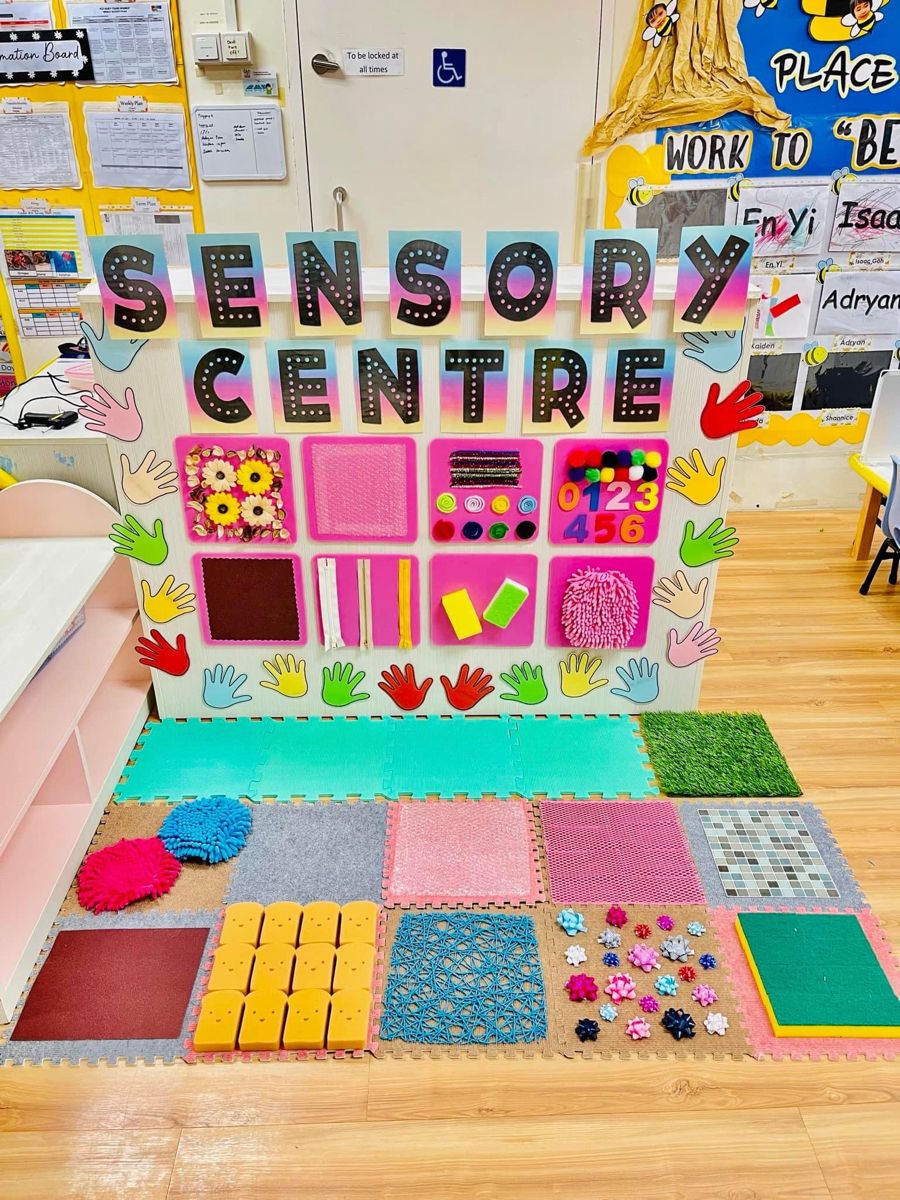
Moreover, sensory sensitivities play a critical role. The traditional homework environment—fluorescent lighting, ambient noise, or even the texture of paper and writing instruments—can become sources of distraction or discomfort. The sensory landscape can either sharpen focus or fragment attention, depending on individual thresholds and triggers.

The interplay of these factors elucidates why a seemingly simple task transcends into a strenuous endeavor, necessitating targeted strategies that extend beyond conventional homework practices.
Harnessing Special Interests to Foster Engagement
A commonly observed phenomenon among autistic learners is an intense focus or fascination with specific topics or activities. This difference is often perceived as a fixation, but it can be an invaluable asset within an educational context. These special interests serve as cognitive anchors that can promote sustained attention and motivation.
Integrating these interests into homework assignments can transform resistance into enthusiasm. For instance, a child intrigued by astronomy might be encouraged to explore mathematical problems through the lens of planetary motion or utilize storytelling based on space exploration during a writing task. This method leverages the natural proclivities of the learner, thus diminishing barriers presented by the task itself.

Such an approach also honors the learner’s cognitive landscape, fostering a sense of autonomy and competence that can alleviate anxiety associated with homework.
Structuring Homework: Predictability and Routine
Autistic children often thrive on consistency and predictability, which imbue their daily activities with a sense of control and security. When homework routines are erratic or undefined, it can exacerbate feelings of anxiety and overwhelm. Establishing a structured homework timetable with clearly delineated steps promotes not only task completion but also emotional regulation.
Visual schedules are particularly efficacious. These can include checklists, timers, or illustrated task sequences that externalize the abstract process of homework into manageable segments. Breaking down assignments into smaller, achievable milestones facilitates focus while providing tangible markers of progress.
In this way, the homework process evolves from a nebulous obligation into a systematic and empowering activity.
Addressing Sensory and Environmental Modifications
Environmental accommodations are indispensable for reducing sensory overload that can impede homework success. A quiet, well-lit, and distraction-free zone curated to the child’s sensory preferences can dramatically enhance concentration. Some learners benefit from noise-cancelling headphones, while others may need tactile tools such as stress balls or textured grip pens to maintain engagement and reduce anxiety.
Flexibility in sensory accommodations underscores the individuality of each learner’s experience. Sensory modulation techniques, like scheduled breaks for movement or deep pressure input, may also recalibrate arousal levels, enabling sustained cognitive effort for homework completion.
Promoting Independence Through Skill Development
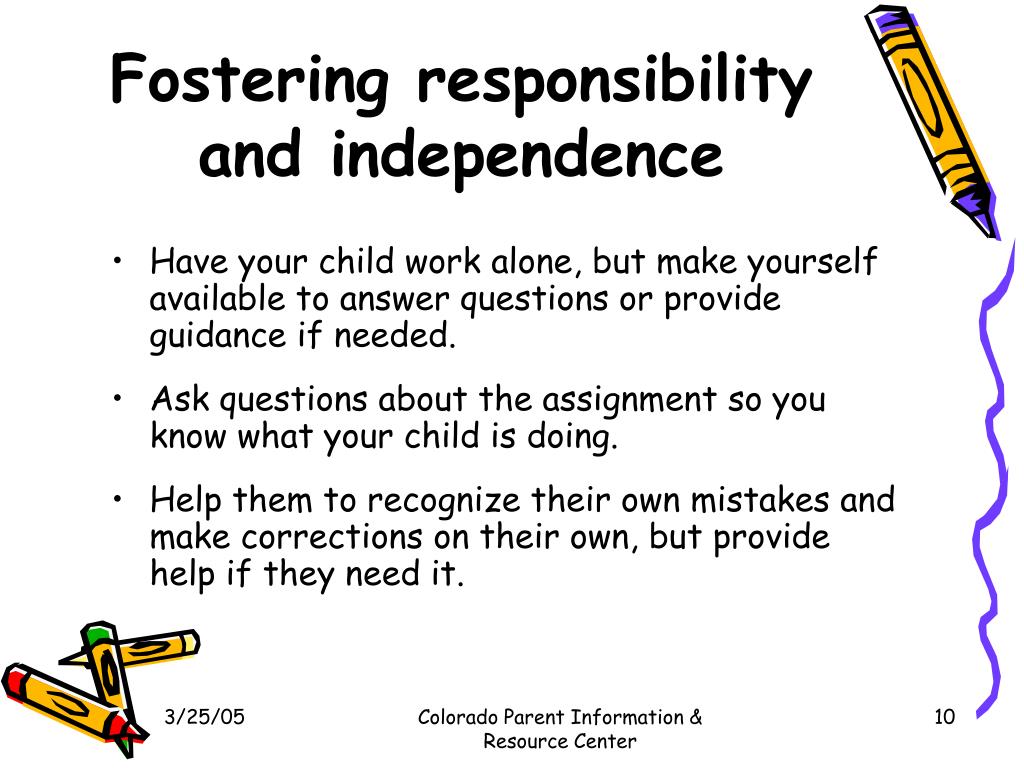
The ultimate goal of managing homework in the context of autism is to cultivate independence and self-efficacy. This evolution requires explicit instruction in executive function skills, such as goal-setting, time management, and self-monitoring. Direct teaching of these capacities equips learners with tools to navigate homework autonomously rather than through constant adult intervention.
Parental and educator collaboration is vital in this developmental trajectory. By fostering responsibility incrementally and celebrating small achievements, these support systems build a resilient foundation for lifelong learning and academic success.
The Role of Emotional and Social Support
The emotional terrain surrounding homework can be fraught with frustration, resulting in behavioral outbursts or withdrawal. Recognizing and validating these emotions is a critical step toward creating a supportive atmosphere. Emotional reassurance, coupled with clear and compassionate communication, helps reduce stress and enhances cooperation.
Embedding social narratives and role-playing can also prepare the learner for homework-related scenarios, mitigating uncertainty and reinforcing positive behaviors. Thoughtful encouragement nurtures a growth mindset, framing challenges as opportunities rather than insurmountable obstacles.
In essence, making homework manageable for autistic learners requires more than surface-level adjustments. It demands a comprehensive understanding of the intersection between neurological differences, sensory processing, and motivational dynamics. By embracing individuality, harnessing special interests, establishing predictable routines, and tailoring environmental conditions, homework can become a productive, even enjoyable, component of the autistic learner’s educational journey.