What if the greatest untapped reservoir of talent in your workforce quietly sits unnoticed—its potential masked not by capability, but by barriers of understanding? Creating an environment where individuals with autism can flourish is not just a noble quest. It is a strategic imperative for organizations seeking innovation, loyalty, and diverse perspectives. Yet, the challenge is palpable: How do employers transcend traditional workplace paradigms to foster genuine inclusion that benefits everyone?
Understanding the Nuances of Autism in the Workplace
Embarking on the journey toward autism inclusion requires more than cursory awareness; it demands a nuanced comprehension of the spectrum’s varied presentations. Autism is not a monolith; its manifestations range from pronounced communication differences to subtle sensory sensitivities. This heterogeneity implies that one-size-fits-all policies flounder before individual realities.
Employers must equip themselves with deep insights into the kaleidoscope of strengths and challenges unique to autistic employees. Appreciating this complexity is foundational. It invites conversations that unravel rigid assumptions about productivity, communication styles, and social interaction. In this light, inclusion moves beyond compliance, evolving into a dynamic cultural transformation.

Designing Inclusive Recruitment Practices
Conventional recruitment processes often pose unintentional obstacles for autistic candidates. Emphasis on small talk, ambiguous interview questions, and off-the-cuff social assessments tend to disadvantage those who may excel in technical proficiency but face challenges with neurotypical communication norms.
Employers can recalibrate recruitment methods to level the playing field. This involves transparent job descriptions that focus on essential skills, providing interview questions in advance, and offering alternative modes of assessment, such as practical demonstrations or work trials. Embedding flexibility and clarity in these stages signals commitment and accessibility.

Creating Supportive Work Environments
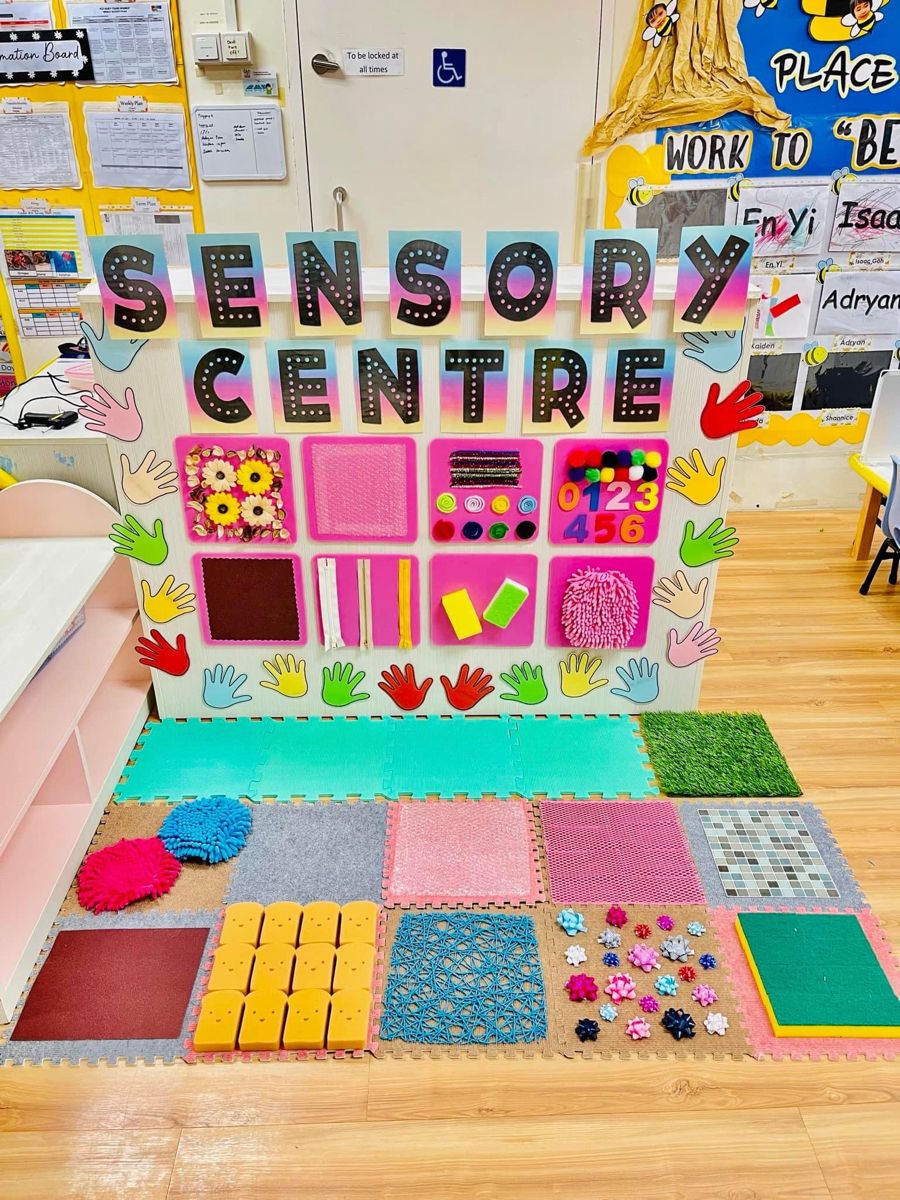
Physical and social environments profoundly influence the experiences of autistic employees. Sensory overload—bright lights, noisy open plans, or unpredictable workspace arrangements—can impede concentration and well-being.
Implementing sensory-friendly workspaces is a hallmark of best practice. Employers might provide quiet zones, noise-canceling headphones, or adjustable lighting to accommodate diverse sensory profiles. Beyond the physical setting, fostering a culture of patience and empathy is paramount; peers and management should be trained to understand, respect, and adapt to varied communication and processing styles.
Another critical pillar is individualized accommodation. Flexible scheduling, clear task delegation, and accessible feedback loops empower employees to thrive. Such adaptations, far from being exceptional, epitomize enlightened leadership.
Leveraging Strengths to Drive Innovation
Autistic individuals often excel in attention to detail, pattern recognition, and sustained focus—qualities that can propel organizational excellence. Recognizing and channeling these strengths invigorates teams, spawns creativity, and enhances problem-solving capabilities.
This requires breaking free from stereotypical expectations and investing in tailored development pathways. Employers should cultivate mentorship programs and specialized training that harness the unique cognitive landscapes of autistic employees, accentuating their contributions and forging pathways for advancement.
Educating and Equipping Leadership
The linchpin of sustainable inclusion lies at the top. Leaders sculpt organizational ethos and behaviors; their active engagement is non-negotiable. Comprehensive autism inclusion training equips leadership with the acumen to dismantle biases and advocate for systemic change.
Such education often unveils unconscious prejudices and illuminates practical strategies to embed inclusion in management practices—from performance evaluations to team dynamics. Empowered leaders serve as catalysts, legitimizing bespoke accommodations and championing neurodiverse talent with conviction.

Implementing Feedback and Continuous Improvement
Establishing feedback mechanisms tailored to autistic employees cultivates a dynamic dialogue that refines inclusion efforts. Anonymous surveys, regular check-ins, and inclusive forums provide platforms for honest discourse.
Organizations that prioritize continuous feedback demonstrate humility and responsiveness. These qualities nurture trust and adaptive change, ensuring the inclusivity fabric remains resilient against evolving challenges.
Championing Collaboration and Community Engagement
True inclusion transcends internal policies; it extends into the wider community. Partnering with autism advocacy groups and specialists leverages external expertise and fosters reciprocal learning.
Such collaborations offer invaluable resources, from staff training modules to recruitment pipelines. Enmeshing the organization within a network that advocates for neurodiversity amplifies authenticity and social responsibility.
In sum, embracing autism inclusion in the workplace is a multifaceted endeavor, rich with challenges and rewards alike. It calls for reimagined recruitment, empathetic environments, strength-focused development, enlightened leadership, and relentless evolution through feedback.
The question evolves from “Can we include?” to “How will inclusion transform our organization?” When employers answer with intent and action, the workplace emerges not just as a setting for employment, but as a thriving ecosystem where every mind, irrespective of neurotype, is an indispensable catalyst for progress.