
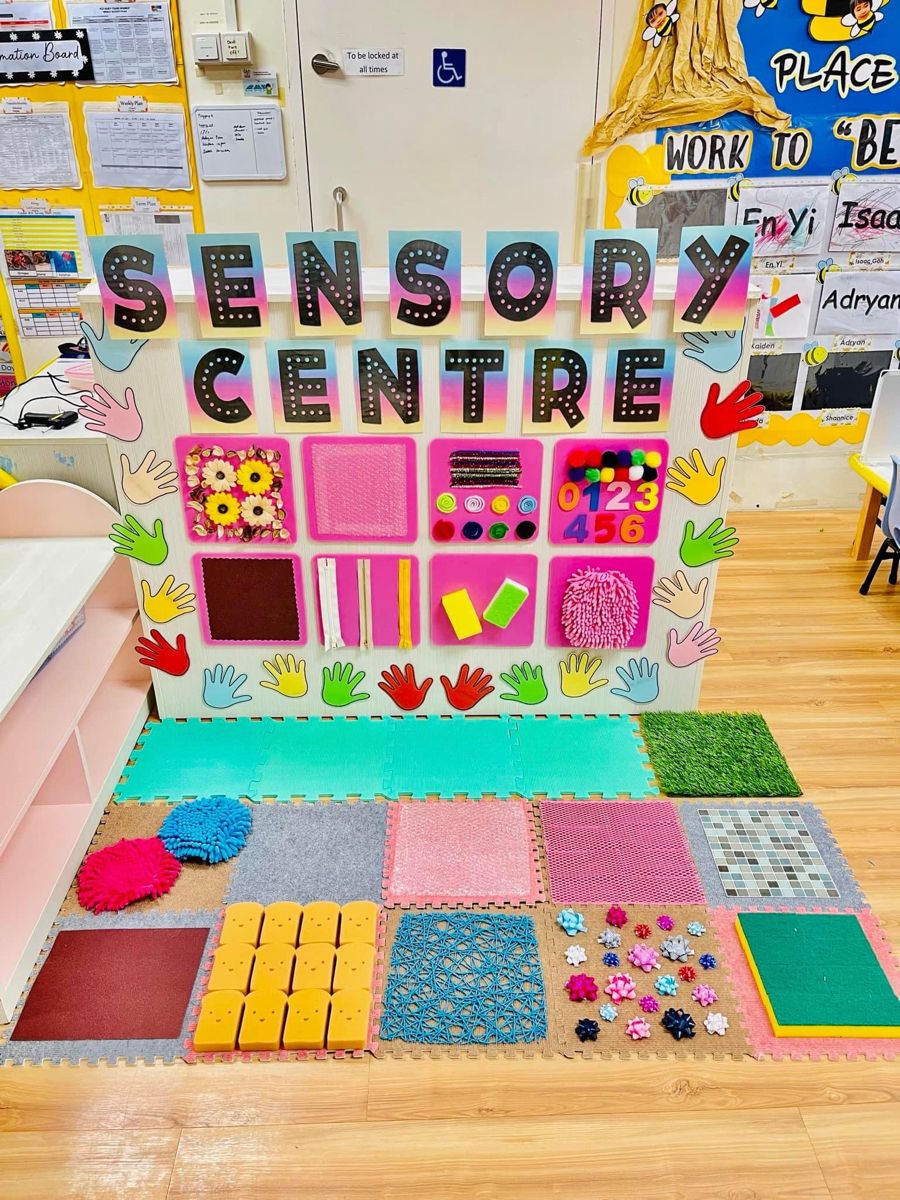
Have you ever watched a child’s face light up as they bury their hands in a bin of rice, beans, or water beads—only to recoil in discomfort at the slightest texture? For children on the autism spectrum, sensory play isn’t just about fun; it’s a gateway to understanding the world, yet it can also be a minefield of overwhelming sensations. What if the very activity designed to soothe could instead trigger distress? This paradox lies at the heart of using sensory bins for autistic children, where the promise of tactile exploration collides with the challenge of sensory overload. But what if there were a way to bridge this gap—creating sensory bins that invite engagement without overwhelming? Let’s explore how to craft tactile play experiences that resonate with autistic children, turning potential challenges into opportunities for growth and connection.
The Sensory Spectrum: Why Tactile Play Matters for Autism
Autism Spectrum Disorder (ASD) often involves differences in sensory processing, where the brain interprets tactile input in ways that can feel either underwhelming or overwhelming. For some autistic children, the sensation of sand between their fingers might be a source of fascination, while for others, the same texture could feel like sandpaper scraping against their skin. Sensory bins—containers filled with materials like rice, beans, water beads, or kinetic sand—offer a controlled environment to explore these tactile experiences. They allow children to engage with textures at their own pace, fostering both sensory integration and cognitive development.
The key lies in customization. Not all sensory bins are created equal, and what works for one child might not work for another. Some autistic children may seek deep pressure or resistance, while others may prefer smooth, flowing materials. The challenge is to design bins that align with a child’s unique sensory profile, turning what could be a source of anxiety into a tool for self-regulation and joy.
Designing with Intention: Materials That Engage (Without Overwhelming)
When crafting a sensory bin for an autistic child, the choice of materials is paramount. Start with a base that feels safe and familiar. For children who are tactile defensive, begin with smoother textures like cooked spaghetti, oatmeal, or soft fabric scraps. These materials provide gentle stimulation without the sharp edges or gritty feel of sand or rice. For children who crave deep pressure, consider adding weighted items like small bean bags or textured balls that can be squeezed or rolled between the palms.
Layering materials can also create a multi-sensory experience. For example, a bin filled with a base of dried lentils can be topped with smooth river rocks or silicone ice cubes for a contrast in textures. The goal is to create a bin that invites exploration without forcing it. Introduce new textures gradually, observing the child’s reactions and adjusting accordingly. If a child shows signs of distress—such as pulling away, covering their ears, or avoiding the bin—it’s a signal to simplify the materials or switch to something gentler.

Structured Freedom: Balancing Guidance and Autonomy
One of the most delicate balances in sensory play for autistic children is providing enough structure to feel safe while allowing enough freedom to explore. A child who is overwhelmed by open-ended play might benefit from a bin with a clear, repetitive task—such as scooping and pouring, sorting objects by color, or matching shapes. These activities give the child a sense of control and predictability, which can reduce anxiety and increase engagement.
On the other hand, some autistic children thrive in unstructured environments where they can dictate the pace and direction of their play. For these children, a bin filled with a variety of loose parts—buttons, pom-poms, or wooden beads—can spark creativity and problem-solving. The challenge here is to resist the urge to intervene too quickly. Instead of directing the child’s actions, observe their play patterns and offer support only when needed. This approach fosters independence and confidence, allowing the child to build their own narrative within the sensory experience.
Sensory Bins as Tools for Regulation: Calming the Storm
For autistic children who experience sensory overload, sensory bins can serve as powerful tools for self-regulation. The rhythmic motions of scooping, pouring, and sifting can have a meditative effect, helping to ground the child in the present moment. Adding calming elements like lavender-scented rice, weighted blankets, or soft lighting can enhance the bin’s soothing properties. For children who struggle with transitions, a sensory bin can act as a transitional object, providing a familiar and comforting activity to ease the shift between tasks.
However, it’s important to recognize when a sensory bin might not be the right tool for the moment. If a child is already in a state of high arousal, introducing a new sensory experience could escalate their distress. In these cases, a simpler, more predictable activity—like a weighted lap pad or a fidget toy—might be more appropriate. The goal is to use sensory bins as a means to an end: helping the child achieve a state of calm and readiness for learning or social interaction.

The Hidden Challenges: When Sensory Bins Don’t Work
Despite their many benefits, sensory bins aren’t a one-size-fits-all solution. Some autistic children may show little interest in tactile play, or they might become fixated on specific aspects of the bin—such as lining up objects or repeatedly pouring materials—without engaging in exploratory play. In these cases, it’s essential to step back and reassess. Is the child avoiding the bin due to sensory discomfort, or are they simply not drawn to the materials provided? Experiment with different textures, scents, and tools to find what captures their curiosity.
Another challenge is the potential for mess. Sensory bins can be messy by nature, and for parents or caregivers, the cleanup can feel daunting. To mitigate this, consider using a shallow bin with high sides or placing a plastic tablecloth underneath to contain spills. Alternatively, opt for less messy materials like water beads or kinetic sand, which can be contained more easily. The key is to find a balance between providing a rich sensory experience and maintaining a manageable cleanup process.
Beyond the Bin: Expanding Tactile Play into Daily Life
While sensory bins are a fantastic starting point, tactile play doesn’t have to be confined to a container. Incorporating sensory experiences into daily routines can reinforce the skills learned in structured play. For example, a child who enjoys the texture of rice in a bin might benefit from helping to prepare meals with dry ingredients like flour or cornmeal. Similarly, activities like finger painting, playing with clay, or even gardening can provide valuable tactile input in a more natural setting.
For children who are resistant to messy play, start small. Offer a dry sensory experience, such as running their hands through a bin of dry oats or sorting smooth stones. Gradually introduce wet or sticky materials as their comfort level increases. The goal is to create a continuum of sensory experiences that build confidence and curiosity over time.

Final Thoughts: Embracing the Journey of Sensory Exploration
Sensory bins are more than just containers filled with interesting materials—they are portals to a world of tactile discovery, where each texture, shape, and sensation offers a new opportunity for learning and growth. For autistic children, these bins can be a source of comfort, a tool for regulation, and a bridge to understanding their environment. But they are not without their challenges. The key to success lies in patience, observation, and a willingness to adapt. What works today might not work tomorrow, and that’s okay. The journey of sensory exploration is not linear; it’s a dance of trial and error, where each step brings new insights and possibilities.
So, the next time you set out to create a sensory bin, ask yourself: What textures will invite this child to engage? How can I make this experience feel safe and enjoyable? And most importantly, how can I honor their unique sensory profile while gently guiding them toward new discoveries? The answers may not come easily, but with each carefully crafted bin, you’re not just filling a container—you’re nurturing a child’s connection to the world around them.











