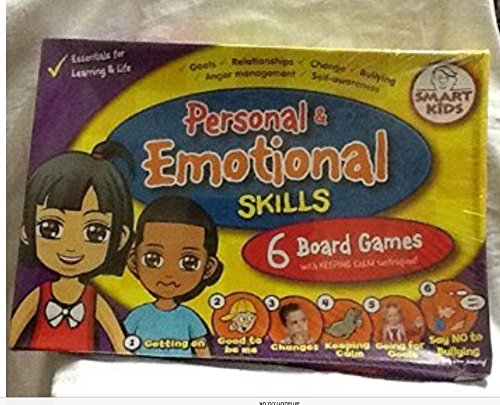
When the word “board games” arises, many might conjure images of carefree family nights or social gatherings filled with laughter and playful competition. Yet, for autistic children, board games hold a far deeper significance—an untapped realm where therapy, learning, and joy intertwine. Exploring the best board games tailored for autistic children unravels far more than mere entertainment; it promises a transformative perspective on engagement, cognitive development, and emotional growth. This exploration delves into board games that do not just entertain but nurture the unique minds of autistic children, stimulating their strengths and supporting their challenges.
Understanding the Intrinsic Value of Board Games for Autistic Children
At first glance, the appeal of board games may appear straightforward—fun and social interaction. However, for autistic children, these games become complex instruments of communication, patience, and sensory regulation. Many autistic children experience difficulties with social cues, executive functioning, and sensory processing. Board games, especially those designed with intuitive rules and tactile components, provide a structured environment where these hurdles can be addressed gently. The predictability inherent in many games offers a comforting framework that mitigates anxiety, while repetitive patterns found in some gameplay cater to a need for routine and stability.
Moreover, the social dynamics embedded in games foster cooperative play and turn-taking, which are critical social skills often challenging for autistic children. The convergence of visual stimuli, verbal interaction, and strategic thought activates multiple areas of the brain, nurturing neural pathways that benefit communication and problem-solving.

Key Attributes to Seek in Board Games for Autistic Children
Choosing the right board game transcends the realm of popular titles or flashy designs. Specific attributes significantly influence how supportive and effective a game can be for autistic children.
- Simplicity of Rules: Games with straightforward, concise rules minimize cognitive overload. Clear instructions enable children to engage with the game without frustration or confusion.
- Visual Clarity and Design: Board games that employ vivid colors, distinguishable pieces, and minimal clutter accommodate sensory sensitivities and enhance engagement.
- Repetitive and Predictable Play: Games structured around repetitive turns or sequences provide comfort through predictability, reducing anxiety and increasing focus.
- Opportunities for Social Interaction: Cooperative or turn-taking mechanics help develop empathy, patience, and reciprocal communication.
- Adaptability and Modifiability: Games that can be adjusted in difficulty or complexity allow caregivers and educators to tailor experiences to individual needs.
Top Recommended Board Games and Their Therapeutic Dimensions
The following selections highlight board games that stand out for their ability to engage autistic children meaningfully.
1. Outburst
Outburst is a fast-paced word association game that encourages verbal expression and quick thinking. For many autistic children, articulating thoughts can be a challenge. This game gently nudges players to access vocabulary in a fun, low-stress environment. Its team-based structure fosters social collaboration and listening skills, vital aspects of communication development.
2. Spot It! (Dobble)
Spot It! is a visually stimulating game centered around spotting matching symbols amidst a sea of images. Its simplicity and rapid pace appeal to children who thrive on sensory interaction and pattern recognition. The compact cards and minimal components reduce sensory overload, while the game mechanics encourage sharp observation and fine motor skills.
3. Hoot Owl Hoot!
This cooperative board game requires players to work together to help owls return to their nest before sunrise. The emphasis on collaboration rather than competition alleviates pressure and negative emotions associated with losing. Players practice turn-taking and strategic planning, which bolster executive functioning and social engagement.
4. Ticket to Ride
Although more complex, Ticket to Ride intrigues children who enjoy route-building and planning. Its gradual learning curve and engaging theme offer cognitive stimulation. The tactile experience of collecting and placing train cards enhances fine motor skills, while the anticipation of turn-taking promotes patience and delayed gratification.

The Role of Caregivers and Educators in Game Facilitation
Board games unfold their full potential not in isolation but through guided interaction. Caregivers and educators act as facilitators, modulating gameplay to suit attention spans and emotional states. Their sensitivity to the child’s needs and preferences transforms a simple game into a bespoke learning experience. Encouraging autonomy while providing gentle support helps children build confidence and resilience.
Customization may involve simplifying rules, allowing extra time for decisions, or using visual aids to reinforce understanding. Importantly, reinforcing positive behaviors during play nurtures motivation and a willingness to engage in challenging social scenarios.
Harnessing Board Games for Long-Term Developmental Benefits
Beyond momentary amusement, the best board games for autistic children lay the groundwork for enduring developmental gains. Repeated exposure to game scenarios enhances cognitive flexibility—the ability to adapt to changing rules or social contexts. This flexibility is often a towering challenge but one vital for navigating everyday life.
Furthermore, board games support emotional regulation by providing safe spaces to experience winning, losing, and managing frustration. Such experiences, when scaffolded effectively, build coping mechanisms critical for mental health. The fine motor practice embedded in handling game pieces translates to improved handwriting and daily task proficiency.
Looking Forward: Board Games as Gateways to Inclusive Communities
Board games are rapidly evolving to embody inclusivity, with designs increasingly informed by neurodiversity principles. This shift brings hope for a future where autistic children find not only solace but also celebration within social circles. Through gameplay, barriers erode, replaced by shared joy and mutual understanding.
By embracing thoughtfully crafted board games, families and educators offer autistic children more than mere pastime—they offer gateways to connection, growth, and profound self-discovery. The journey through the colorful landscapes of these games invites a shift in perspective: from seeing difference as limitation toward recognizing it as a vibrant avenue for potential.
Ultimately, the best board games for autistic children are those that spark curiosity, foster competence, and cultivate joy. Their impact resonates far beyond the rolling of dice or the placing of tokens; they shape narratives of empowerment and inclusion, one meaningful turn at a time.