In a world teeming with conformity, the ability to perceive reality through a singular, unorthodox perspective is often undervalued, yet it is precisely this vantage that individuals with autism frequently embody. Their unique cognitive lens is not merely a divergence from the norm, but a profound gift that enriches our collective understanding. It invites us to reconsider what it means to see, to interpret, and to engage with the environment and those around us. This article explores the remarkable phenomenon of autism as an alternative worldview, addressing a common societal observation and delving into the deeper reasons behind our enduring fascination with these distinctive perspectives.
Perception Beyond Conventional Boundaries
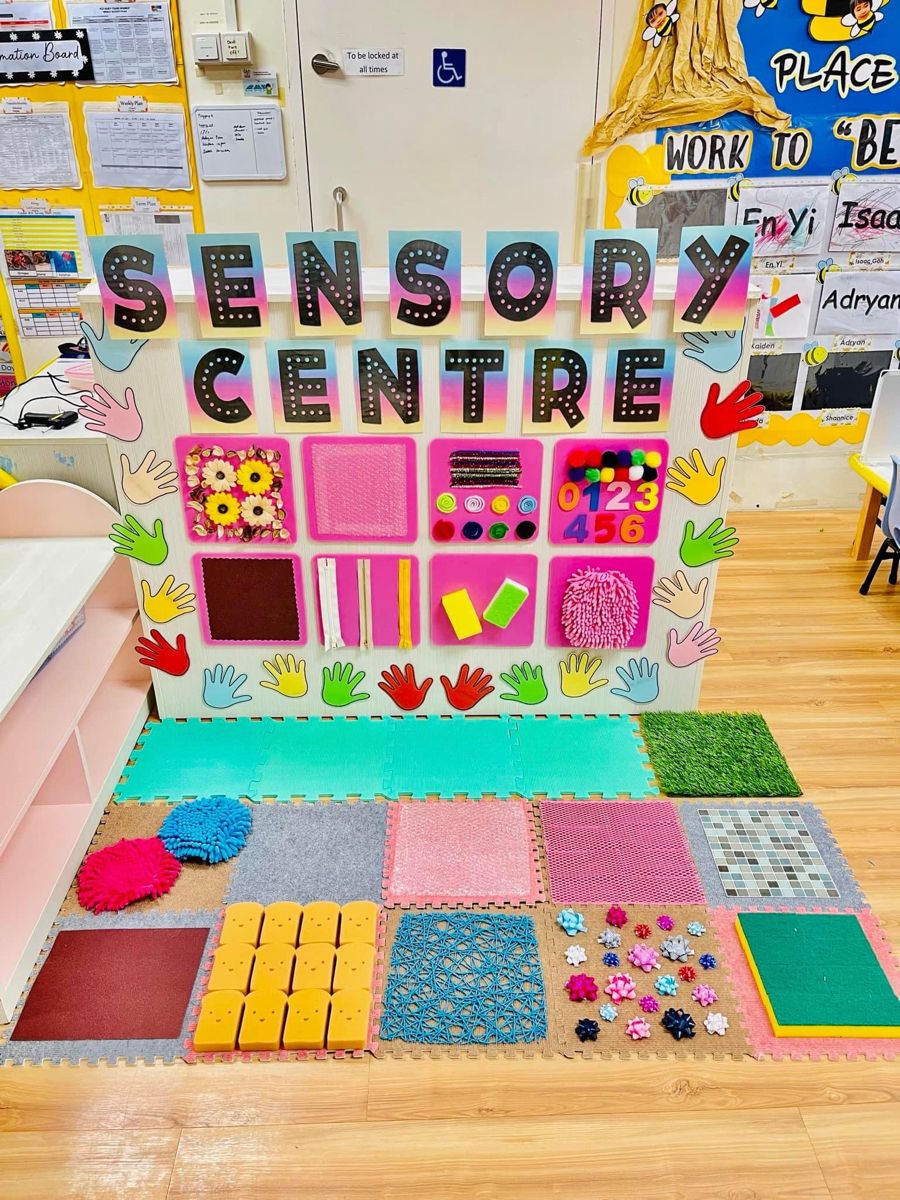
When discussing autism, conversations often gravitate toward the challenges—communication hurdles, sensory processing difficulties, and social misunderstandings. While these are valid and significant aspects, there exists a less discussed but equally compelling dimension: the ability to perceive the world beyond the conventional parameters that shape typical cognition. Individuals on the autism spectrum often exhibit heightened sensitivity to details overlooked by others, noticing nuances in texture, color, sound, and pattern that escape the average eye.
This heightened perception is not merely a sensory exaggeration; it manifests as an alternative framework for processing information, one that privileges specificity over generalization, precision over abstraction. For instance, where neurotypical individuals might perceive a tree simply as part of the landscape, an autistic individual may observe the intricate bark patterns, the subtle shift in leaf coloration, or the precise play of shadows. This differential perspective is a latent treasure trove of insights, subtly expanding the boundaries of human experience.

The Neuroscience Behind Alternative Cognition
From a neurological vantage point, autism embodies an alternative wiring of the brain, fostering distinctive neural connectivity patterns that underpin these sensory experiences. Functional imaging studies reveal atypical activation in regions linked to sensory processing, executive functioning, and socio-emotional recognition. This neurodivergence cultivates an information processing style that is less reliant on conventional heuristics and more on granular, bottom-up analysis.
Such a neurological configuration may afford exceptional abilities in specific domains—pattern recognition, logical reasoning, and intense focus—which in turn influence perception. Rather than filtering and simplifying sensory inputs to fit established schemas, the autistic mind often resists this reduction, maintaining the integrity of individual data points. This cognitive fidelity can appear overwhelming, yet it catalyzes a form of mastery in certain intellectual pursuits and creative endeavors.
Reframing Fascination as Empathy and Appreciation
Our societal fascination with autism often stems from a desire to decode the “other,” to glimpse the world as these individuals do. This fascination is not simply curiosity but an embryonic form of empathy—a yearning to transcend one’s own perceptual limitations. In striving to understand how someone sees a spectrum of colors more vibrantly, hears sounds with amplified clarity, or engages with routine in extraordinary depth, we encounter a mirror reflecting the multiplicity of human experience.
Moreover, this fascination provokes profound questions about the nature of perception itself. What constitutes reality when filtered through varied neurological architectures? How do these sensory divergences enrich artistic expression, scientific discovery, and human connection? The allure lies not solely in novelty but in the acknowledgement that our collective reality is incomplete without incorporating these diverse lenses.

The Strengths Within the Spectrum
Autism, often framed through the prism of deficits, should also be understood through the multitude of strengths it embodies. Many individuals on the spectrum possess exceptional talents—analytic acuity, creativity, extraordinary memory, and unwavering dedication. These attributes frequently emerge from their distinctive way of seeing the world, an approach that harmonizes with activities demanding intense concentration and alternative problem-solving strategies.
In educational and professional environments, acknowledging these strengths transforms the narrative. It shifts from viewing autism as a limitation to celebrating it as a wellspring of innovation and insight. Successful integration of neurodiverse perspectives enriches teams and communities, broadening the scope of ideas and refining methodologies. The unique contributions facilitated by an alternative cognitive lens affirm the essential value of inclusion.
Challenges and Misunderstandings: The Societal Dimension
Despite these gifts, the interface between autistic perception and societal expectations is fraught with challenges. Misinterpretations and stereotypes often obscure the true nature of autism, leading to marginalization and exclusion. Difficulty in social communication and the divergence from normative behaviors can be mistakenly perceived as deficit rather than difference.
This mismatch underscores the importance of fostering environments that are adaptive and appreciative of neurodiversity. Inclusive education, workplace accommodations, and public awareness campaigns are vital in dismantling barriers. Embracing autism as a spectrum of valuable—and not merely problematic—perspectives deepens societal resilience and enriches cultural fabric.

The Transformative Power of Seeing Differently
Ultimately, the gift of autism lies in transforming perception itself. It challenges all of us to reconsider rigidity in thought and cultivate openness to alternative realities. This transformation encourages a more expansive, inclusive worldview—one that treasures the intricate mosaics of human cognition rather than conforming to a monolithic standard.
As we learn to honor these divergent perspectives, we gain not just a deeper appreciation of autism but also a more profound understanding of human potential. We come to see that to view the world through a different lens is not an aberration but an opportunity for growth, innovation, and connection. It is a reminder that the richness of human experience is infinite—shaped by the kaleidoscope of minds that engage with it.
In embracing the gift of autism, we unlock new dimensions of perception and empathy, forging pathways toward a world that celebrates difference as a fundamental strength. This expanded vision invites continuous exploration and genuine inclusion, laying the groundwork for a future where every way of seeing finds its place and purpose.