Autism spectrum disorder (ASD) presents a mosaic of challenges and opportunities for growth, particularly in the realm of therapeutic intervention. Among the most debated and widely utilized approaches are Applied Behavior Analysis (ABA) therapy and play therapy. Both methodologies aim to foster development, but their philosophies, techniques, and outcomes diverge in ways that often leave families grappling with a pivotal question: Which is better? To unravel this, we must delve into the nuances of each approach, examining their foundations, applications, and the deeper psychological undercurrents that shape their effectiveness.
The Foundations: Behaviorism Meets Human Connection
ABA therapy, rooted in the principles of behaviorism, operates on the premise that behaviors can be modified through systematic reinforcement and consequence-based strategies. Developed in the mid-20th century, ABA has evolved into a structured, data-driven discipline that targets specific skills—from communication to social interaction—through repetitive exercises and tangible rewards. Its efficacy is well-documented, particularly in early intervention, where it has demonstrated remarkable success in improving adaptive behaviors and reducing problematic ones.
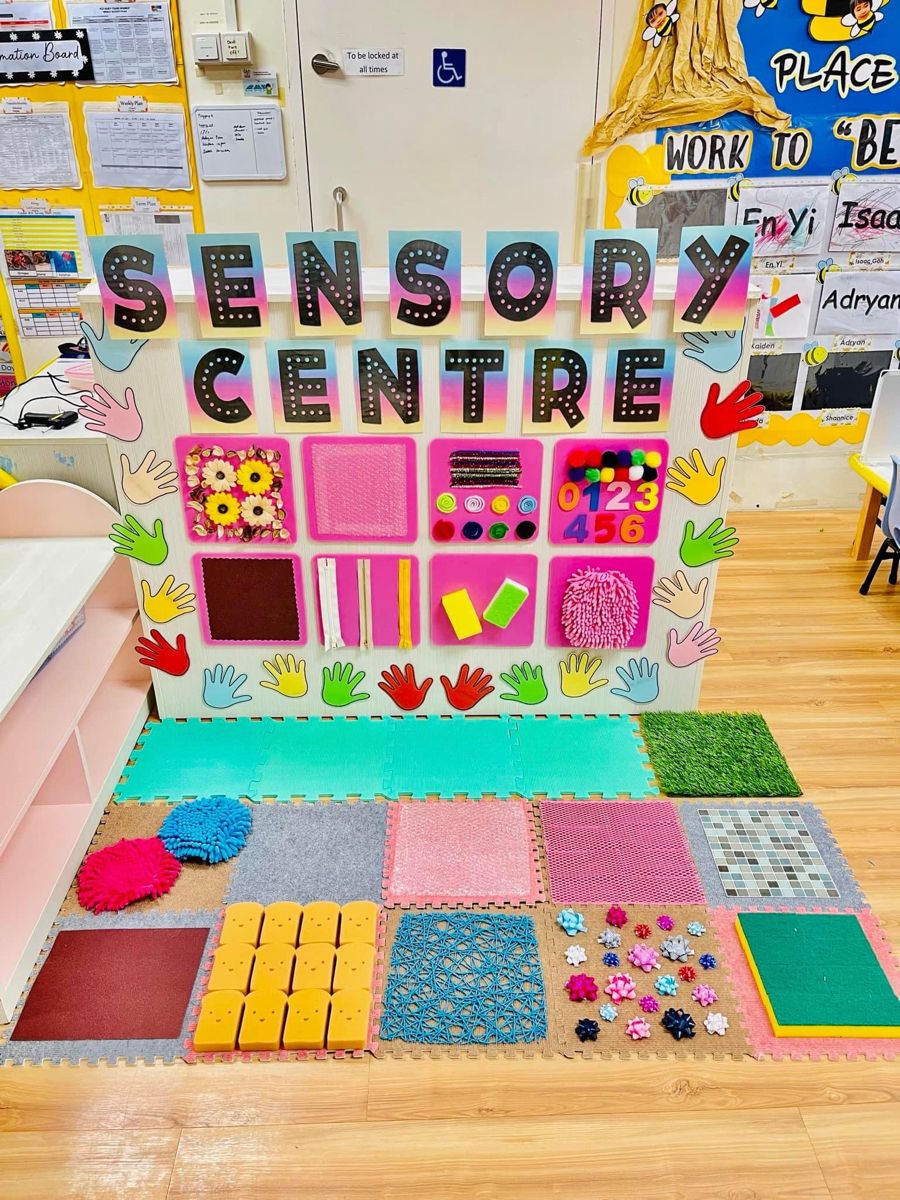
Play therapy, on the other hand, emerges from a more humanistic and psychodynamic tradition. It assumes that children, including those on the spectrum, express themselves through play, which serves as a natural medium for exploration, emotional regulation, and relational bonding. Unlike ABA’s directive approach, play therapy is child-led, allowing therapists to follow the child’s cues and adapt interventions organically. This method often incorporates elements of cognitive-behavioral techniques, sensory integration, and attachment theory, creating a holistic framework that prioritizes emotional attunement over measurable outcomes.
The Dance of Structure and Spontaneity
One of the most striking contrasts between ABA and play therapy lies in their approach to structure. ABA’s hallmark is its meticulous planning—each session is a carefully choreographed sequence of prompts, reinforcements, and generalization exercises. This precision can be invaluable for children who thrive on predictability, particularly those with significant sensory or cognitive challenges. The structured environment reduces anxiety by providing clear expectations, which in turn fosters a sense of security and progress.
Yet, this rigidity can sometimes feel stifling. Children with autism often exhibit a profound need for autonomy, and an overly rigid structure may inadvertently suppress their natural inclinations. Play therapy, with its emphasis on spontaneity, offers a counterbalance. By allowing children to initiate play—whether through imaginative scenarios, sensory exploration, or social interactions—therapists can tap into intrinsic motivations that ABA’s external rewards might overlook. The result is a therapeutic experience that feels less like a lesson and more like a dialogue.

Measuring Success: Tangible Outcomes vs. Emotional Resonance
The debate over which therapy is “better” often hinges on how success is defined. ABA’s strength lies in its quantifiable results. Through continuous data collection, therapists can track progress in discrete skills, such as language acquisition, fine motor coordination, or reduction in self-injurious behaviors. This evidence-based approach provides parents and educators with concrete benchmarks, offering a sense of control and predictability in an otherwise unpredictable landscape.
Play therapy, while less concerned with immediate, measurable gains, often yields profound long-term benefits. Children who engage in play therapy frequently develop stronger emotional resilience, improved social cognition, and a deeper sense of self-awareness. These outcomes are harder to quantify but are no less critical. For instance, a child who learns to initiate play with peers may not show a rapid increase in social interactions as measured by ABA’s metrics, but their ability to form connections could transform their quality of life in ways that extend far beyond therapy sessions.
The Role of the Therapist: Authority vs. Allyship
The therapist’s role in each approach reflects a fundamental philosophical divide. In ABA, the therapist often assumes an authoritative stance, guiding the child through predetermined tasks with a focus on compliance and skill acquisition. This dynamic can be highly effective for children who respond well to clear directives, but it may also create a power imbalance that some families find unsettling.
Play therapy, conversely, positions the therapist as a co-creator in the child’s narrative. By adopting a non-directive stance—mirroring the child’s actions, reflecting their emotions, and gently introducing new elements—the therapist fosters a sense of partnership. This approach aligns with the growing recognition of autism as a neurodivergent experience rather than a deficit to be corrected. It validates the child’s unique way of engaging with the world, rather than imposing external standards of “normalcy.”
Navigating the Spectrum: Tailoring Therapy to Individual Needs
The reality is that no single approach fits all children on the spectrum. The most effective therapeutic journeys often involve a hybrid model, where ABA’s structured interventions address specific skill deficits, while play therapy nurtures emotional and social growth. For example, a child with limited verbal communication might benefit from ABA’s focus on language acquisition, while simultaneously engaging in play therapy to develop pragmatic language skills in a more naturalistic setting.
Moreover, cultural and familial values play a significant role in shaping therapeutic preferences. Some families prioritize measurable progress and may lean toward ABA, while others value emotional expression and relational depth, making play therapy a more appealing choice. The key lies in flexibility—recognizing that autism is not a monolith, and neither should its interventions be.
The Deeper Currents: Autonomy, Joy, and the Essence of Therapy
Beneath the surface of this debate lies a more profound question: What is the ultimate goal of therapy for autism? Is it to mold behavior into socially acceptable patterns, or is it to empower the child to navigate the world on their own terms? ABA’s focus on behavior modification can sometimes overshadow the child’s agency, while play therapy risks romanticizing the idea that all children will naturally gravitate toward growth without guidance.
The most compelling therapeutic models strike a balance. They honor the child’s autonomy while providing the scaffolding needed to thrive. This balance is not static; it evolves as the child grows, their needs shifting from foundational skill-building to complex social navigation. The magic happens when therapists and families remain attuned to these shifts, adapting their approaches with humility and curiosity.

Conclusion: A Spectrum of Possibilities
Choosing between ABA and play therapy is less about declaring one superior to the other and more about understanding the unique alchemy of each child’s needs, strengths, and aspirations. ABA offers a roadmap with clear destinations, while play therapy provides the freedom to wander and discover. The most transformative therapeutic experiences often emerge when these paths intersect—when structure meets spontaneity, and when data-driven precision coexists with the unquantifiable magic of human connection.
Ultimately, the question is not which therapy is better, but which combination of approaches will unlock the fullest potential of the child standing before you. In the end, the goal is not to fit the child into a predefined mold, but to help them sculpt a life that is authentically their own.