Have you ever wondered why some minds bloom like wildflowers in spring, while others develop in a more idiosyncratic rhythm? The answer may lie in the delicate choreography of synaptic pruning—a process so intricate, it could rival the precision of a Swiss watchmaker. Yet, for those navigating the neurodevelopmental landscape of autism, this biological ballet sometimes stumbles. What if the very mechanism that sculpts our brains could also hold the key to understanding neurodiversity? Let’s embark on a journey through the labyrinth of synaptic pruning and its profound connection to autism, where science meets mystery, and every synapse tells a story.

The Synaptic Pruning Paradox: Less Is More, But Not Always
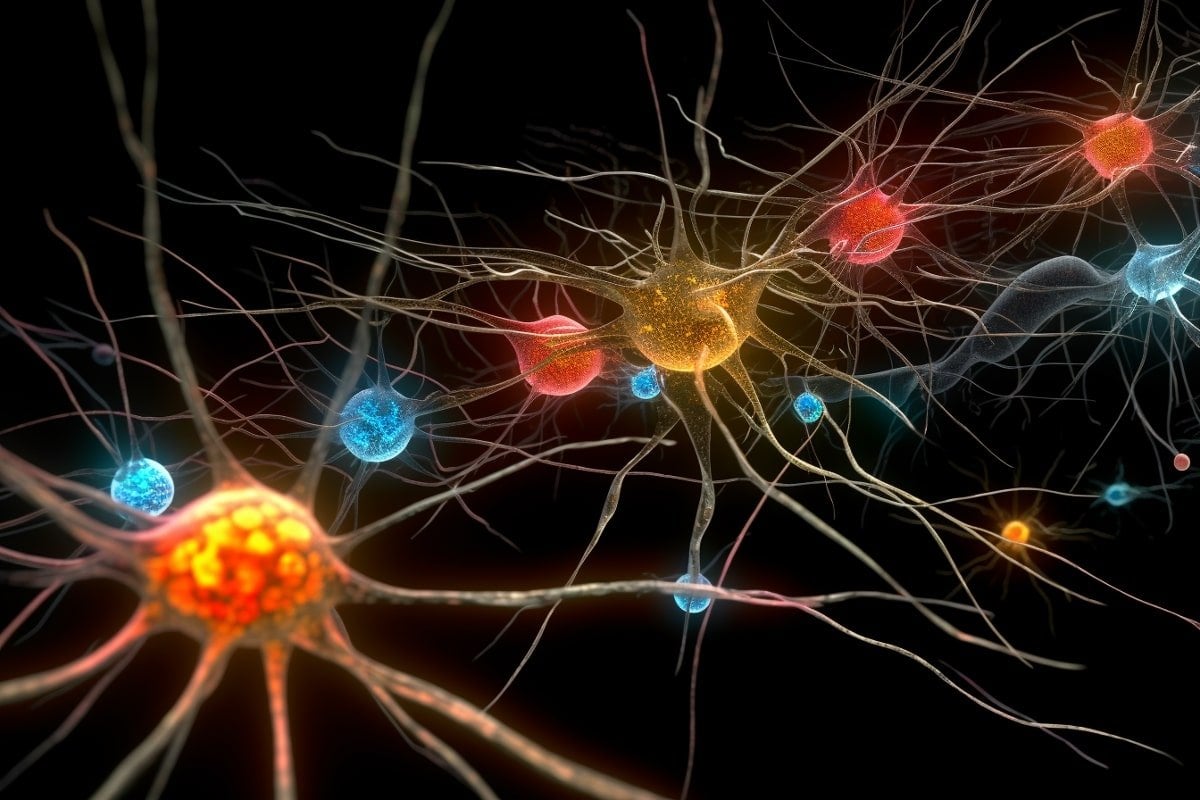
Synaptic pruning is the brain’s way of streamlining its vast neural networks. During childhood and adolescence, the brain generates an excess of synaptic connections—like a sprawling metropolis with too many roads. Pruning trims these excesses, strengthening the most efficient pathways while discarding the redundant ones. This process is akin to Michelangelo chiseling away at marble to reveal David; the masterpiece emerges from the surplus.
Yet, in autism, this pruning process may veer off course. Some studies suggest that synaptic pruning is either accelerated or delayed, leading to an overabundance of connections in certain regions. Imagine a library where every book is left on the shelves, unorganized and overwhelming. The result? A brain that processes information in a uniquely intricate, sometimes hyper-detailed manner—hallmark traits of autism. But is this a flaw or a feature of neurodivergent cognition?
The Neurodivergent Brain: A Symphony of Strengths and Struggles
Autism is not a monolith; it’s a spectrum as diverse as the stars in the night sky. For some, synaptic pruning may leave behind a surplus of connections that enhance pattern recognition, attention to detail, and deep focus. These strengths often manifest as savant-like abilities in areas such as mathematics, music, or visual arts. Yet, the same surplus can also lead to sensory overload, where the brain struggles to filter out irrelevant stimuli—like trying to listen to a single conversation in a crowded, echoing room.
Consider Temple Grandin, whose hypersensitivity to sensory input shaped her groundbreaking work in animal behavior. Her ability to perceive the world in vivid, almost overwhelming detail allowed her to design humane livestock handling systems. This duality—where challenges and strengths are two sides of the same coin—highlights the complexity of synaptic pruning in autism. What if the very mechanism that creates these challenges also fosters extraordinary creativity and innovation?
The Role of Genes and Environment: A Delicate Dance
Synaptic pruning is not solely dictated by genetics; environmental factors play a crucial role. Stress, nutrition, and even social interactions can influence how and when pruning occurs. For instance, chronic stress in early childhood may accelerate pruning, potentially altering the trajectory of brain development. Conversely, enriched environments—filled with stimulating activities and supportive relationships—may encourage a more balanced pruning process.
This interplay between nature and nurture raises a tantalizing question: Can we intervene to guide synaptic pruning in a way that mitigates the challenges of autism while preserving its strengths? Emerging research into neurofeedback, cognitive training, and even pharmacological interventions offers a glimmer of hope. Yet, the ethical implications of such interventions remain a subject of intense debate. Where do we draw the line between “fixing” a neurodivergent brain and honoring its inherent differences?
From Theory to Therapy: The Promise of Precision Medicine
The future of autism research lies in precision medicine—a tailored approach that considers the unique synaptic landscape of each individual. Scientists are exploring biomarkers that could predict how synaptic pruning unfolds in a given brain, allowing for early intervention strategies. Imagine a world where a simple blood test or brain scan could reveal the optimal timing for therapeutic interventions, whether through behavioral therapy, medication, or environmental adjustments.
One promising avenue is the study of microglia, the brain’s immune cells that play a role in synaptic pruning. Dysregulation in microglial activity has been linked to autism, suggesting that modulating these cells could offer a new therapeutic target. Another frontier is the use of psychedelics like psilocybin, which have shown potential in promoting neuroplasticity and resetting maladaptive synaptic patterns. While still in experimental stages, these approaches hint at a future where autism is not just understood but actively shaped by science.
The Ethical Frontier: Redefining Neurodiversity
As we unravel the mysteries of synaptic pruning, we must confront a fundamental question: What does it mean to be “normal”? The traditional view of autism as a disorder to be corrected is giving way to a more nuanced understanding—one that embraces neurodiversity as a natural variation of human cognition. If synaptic pruning is the sculptor of our minds, then autism may simply be a different style of sculpture, equally valid and equally beautiful.
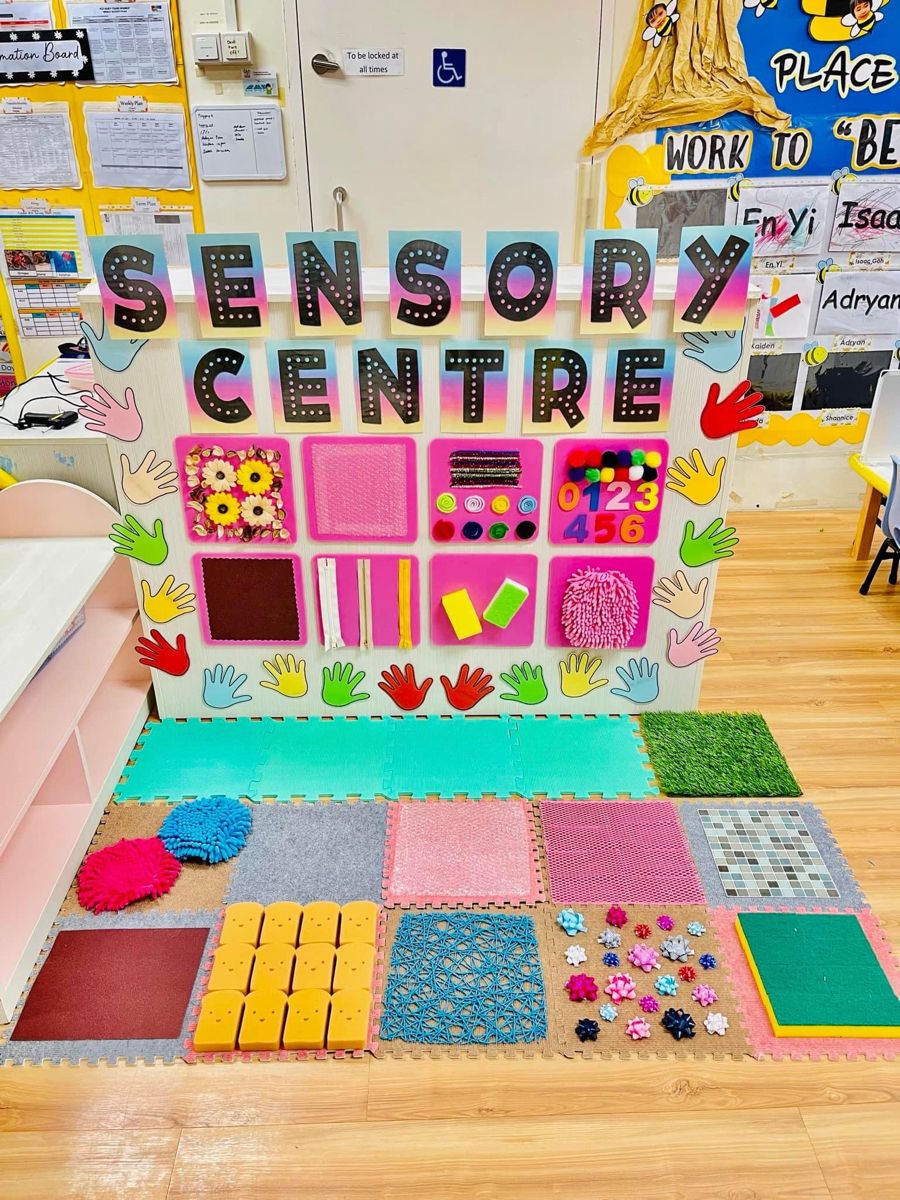
This shift in perspective challenges us to reconsider our societal structures. Schools, workplaces, and communities must adapt to accommodate the diverse ways in which brains process the world. Sensory-friendly environments, flexible communication methods, and inclusive policies are not just accommodations; they are acknowledgments of the richness that neurodiversity brings to society. The goal is not to “normalize” autistic individuals but to create a world where their unique strengths are celebrated and their challenges are met with empathy and support.
A Glimpse into the Future: Where Science and Humanity Converge
The journey to understand synaptic pruning and its relationship to autism is far from over. Each discovery peels back another layer of the brain’s enigmatic tapestry, revealing new questions and possibilities. Will we one day unlock the secrets of synaptic pruning to the point where autism is no longer a mystery but a well-understood aspect of human diversity? Or will we discover that the most profound insights lie not in altering the brain but in changing the world around it?
One thing is certain: The story of synaptic pruning and autism is not just about science—it’s about humanity. It’s about the child who sees the world in a kaleidoscope of colors and textures, the adult who finds solace in the rhythmic hum of a spinning top, and the innovator who transforms their sensory sensitivities into groundbreaking ideas. In the grand ballet of brain development, synaptic pruning is the choreographer, and autism is one of its most intricate dances. The question is not how to change the dance, but how to ensure that every dancer—regardless of their rhythm—is given the space to shine.