Autism spectrum disorder (ASD) has long been a subject of intense scrutiny, not merely for its clinical manifestations but for the enigmatic layers that shroud its underlying mechanisms. Among the myriad of hypotheses attempting to unravel this complex neurodevelopmental condition, one that has steadily gained traction is the role of oxidative stress—a biochemical imbalance that disrupts cellular homeostasis and leaves a trail of molecular mayhem in its wake. The fascination with this connection stems from a deceptively simple observation: individuals with autism often exhibit elevated markers of oxidative damage in their blood, urine, and even brain tissue. Yet, beneath this surface-level correlation lies a labyrinth of biochemical pathways, genetic predispositions, and environmental triggers that may collectively orchestrate the symphony of symptoms we recognize as ASD.
The interplay between oxidative stress and autism is not merely a footnote in medical literature; it is a narrative that weaves through cellular respiration, mitochondrial dysfunction, and the delicate balance of antioxidants. To understand this relationship, we must first dissect the concept of oxidative stress itself—a state in which the production of reactive oxygen species (ROS) outstrips the body’s capacity to neutralize them, leading to lipid peroxidation, protein carbonylation, and DNA damage. In the context of autism, this imbalance may not be a mere byproduct but a potential catalyst, exacerbating neuroinflammation and disrupting synaptic plasticity, the very foundations of cognitive and behavioral development.
The Biochemical Underpinnings: When Free Radicals Run Amok
At the heart of oxidative stress lies the mitochondrion, the cell’s powerhouse, which, paradoxically, is also a prolific generator of ROS. In individuals with autism, mitochondrial dysfunction is a recurring theme, with studies documenting impaired electron transport chain activity, reduced ATP production, and an overabundance of oxidative byproducts. This dysfunction is not isolated; it is often accompanied by deficiencies in key antioxidants such as glutathione, superoxide dismutase (SOD), and catalase—enzymes that act as the body’s first line of defense against ROS. The result is a cellular environment where oxidative damage accumulates, particularly in regions of the brain critical for social cognition and sensory processing, such as the prefrontal cortex and amygdala.
One of the most compelling pieces of evidence linking oxidative stress to autism comes from post-mortem studies of brain tissue. Researchers have observed a marked increase in 3-nitrotyrosine, a marker of protein oxidation, in the brains of individuals with ASD compared to neurotypical controls. Similarly, elevated levels of F2-isoprostanes—a product of lipid peroxidation—have been detected in the urine of autistic children, suggesting a systemic oxidative burden. These findings are not merely academic; they hint at a broader pattern of metabolic dysregulation that may precede the clinical diagnosis of autism, offering a potential window for early intervention.

Genetic Predispositions: The Fragile Balance of Antioxidant Defense
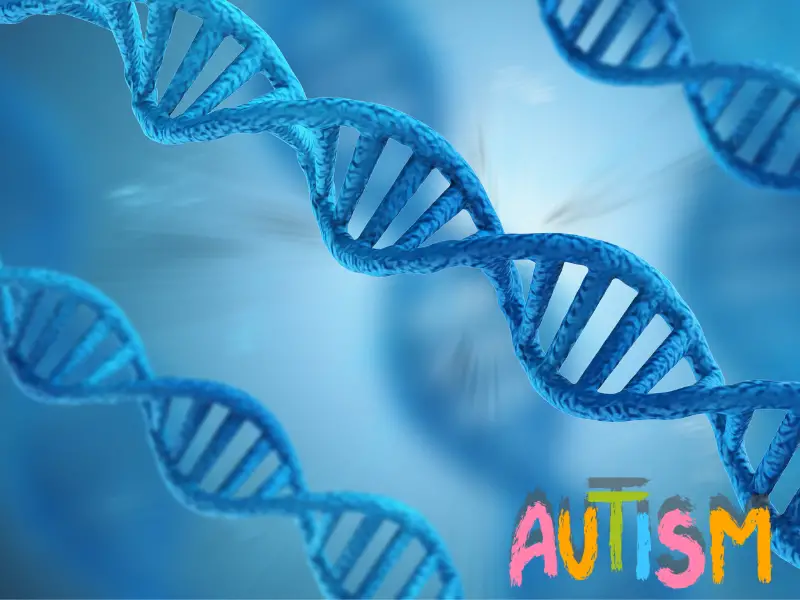
While oxidative stress may seem like an indiscriminate force of cellular decay, its impact is far from uniform. Genetics play a pivotal role in determining an individual’s susceptibility to oxidative damage, with certain gene variants acting as double-edged swords. For instance, polymorphisms in the glutathione S-transferase (GST) genes—particularly GSTM1 and GSTP1—have been associated with an increased risk of autism. These genes encode enzymes that facilitate the detoxification of ROS and xenobiotics, and their dysfunction can leave cells vulnerable to oxidative assault. Similarly, mutations in the *SOD2* gene, which encodes manganese superoxide dismutase, have been linked to mitochondrial dysfunction and a heightened risk of neurodevelopmental disorders.
Beyond these specific genes, broader metabolic pathways also contribute to the oxidative milieu. The transsulfuration pathway, which converts homocysteine to glutathione, is often dysregulated in autism, leading to a deficit in this critical antioxidant. This metabolic bottleneck is exacerbated by nutritional deficiencies in folate, vitamin B12, and zinc—micronutrients that are essential for maintaining redox balance. The interplay between genetics and environment is particularly stark here; a child with a genetic predisposition to oxidative stress may experience a tipping point when exposed to environmental toxins, dietary imbalances, or even prenatal stressors, culminating in the clinical manifestations of ASD.
Environmental Triggers: The Invisible Catalysts of Cellular Chaos
The modern world is replete with agents that can tip the scales toward oxidative stress, from air pollution and heavy metals to electromagnetic radiation and endocrine-disrupting chemicals. In the context of autism, these environmental triggers are not mere background noise; they may act as the final straw in a precarious biochemical equilibrium. For example, exposure to mercury—a potent neurotoxin—has been shown to induce oxidative stress in neuronal cells, disrupting calcium homeostasis and impairing mitochondrial function. Similarly, the herbicide glyphosate, widely used in agriculture, has been implicated in the disruption of the gut-brain axis, a pathway increasingly recognized as critical in ASD.
The gut-brain connection introduces another layer of complexity. Emerging research suggests that oxidative stress in the gut—whether due to dysbiosis, inflammation, or dietary factors—can propagate systemic inflammation, further exacerbating neurooxidative damage. This bidirectional relationship between the gut and brain may explain why many children with autism exhibit gastrointestinal symptoms alongside their neurodevelopmental challenges. The gut microbiome, once dismissed as a passive bystander, is now seen as a dynamic regulator of redox balance, capable of either mitigating or amplifying oxidative stress depending on its composition.
Therapeutic Avenues: Can Antioxidants Rewrite the Narrative?
The tantalizing possibility that oxidative stress is not merely a consequence but a contributor to autism has spurred interest in antioxidant-based interventions. Among the most studied compounds is N-acetylcysteine (NAC), a precursor to glutathione that has shown promise in reducing irritability and improving social behavior in autistic individuals. Similarly, omega-3 fatty acids, which incorporate into neuronal membranes and enhance mitochondrial function, have demonstrated modest benefits in clinical trials. The challenge, however, lies in the heterogeneity of ASD; what works for one individual may have no effect on another, underscoring the need for personalized approaches.
Beyond supplementation, lifestyle modifications such as dietary interventions, exercise, and stress reduction may also play a role in rebalancing redox homeostasis. For instance, the ketogenic diet—a high-fat, low-carbohydrate regimen—has been shown to reduce oxidative stress in animal models of ASD, potentially by enhancing mitochondrial efficiency and reducing neuroinflammation. Meanwhile, mindfulness practices and aerobic exercise, both of which upregulate endogenous antioxidant defenses, offer non-pharmacological avenues for mitigating oxidative burden. The key, however, is early intervention; once oxidative damage has become entrenched, reversing its effects may prove far more challenging.
The Unanswered Questions: A Tapestry Still Unraveling
Despite the compelling evidence linking oxidative stress to autism, many questions remain unanswered. Is oxidative stress a primary driver of ASD, or does it merely amplify existing vulnerabilities? How do genetic and environmental factors interact to tip the scales toward neurooxidative damage? And perhaps most intriguingly, could oxidative stress serve as a biomarker for early diagnosis, allowing for interventions before the full spectrum of symptoms manifests?
The answers to these questions may lie in the emerging field of redox proteomics—a discipline that maps the oxidative modifications of proteins in real time. By identifying specific proteins that are vulnerable to oxidative damage in autism, researchers may develop targeted therapies that address the root causes rather than the symptoms. Until then, the narrative of autism and oxidative stress remains a work in progress, a testament to the complexity of the human brain and the delicate balance that sustains it.
In the end, the fascination with this connection is not merely academic; it is a reflection of our deeper quest to understand the invisible forces that shape human cognition and behavior. Autism, with its myriad of manifestations, may ultimately be a mosaic of biochemical imbalances, where oxidative stress is but one thread in a larger tapestry. Unraveling this tapestry will require not just scientific rigor but a willingness to embrace the unknown, to see the patterns that others might overlook, and to ask the questions that have yet to be posed.




![Autism-Friendly Events in [Your City] This Month](https://familyagre.org/wp-content/uploads/2026/05/autism.png)