The stage is more than a platform of polished performances—it is a crucible where identities are forged, emotions are distilled, and connections are forged in the crucible of shared humanity. For individuals on the autism spectrum, the performing arts offer more than mere entertainment; they provide a sanctuary of expression, a laboratory of social alchemy, and a mirror that reflects the kaleidoscopic nature of human experience. In the luminous interplay of light, sound, and movement, theater transcends its role as a spectator sport and becomes a transformative force, unlocking pathways to communication, confidence, and community that might otherwise remain obscured. This exploration delves into the profound synergy between autism and theater, unraveling how the stage can serve as both a refuge and a runway for those who perceive the world with unique intensity and depth.
The Stage as a Sanctuary: A Realm of Predictable Chaos
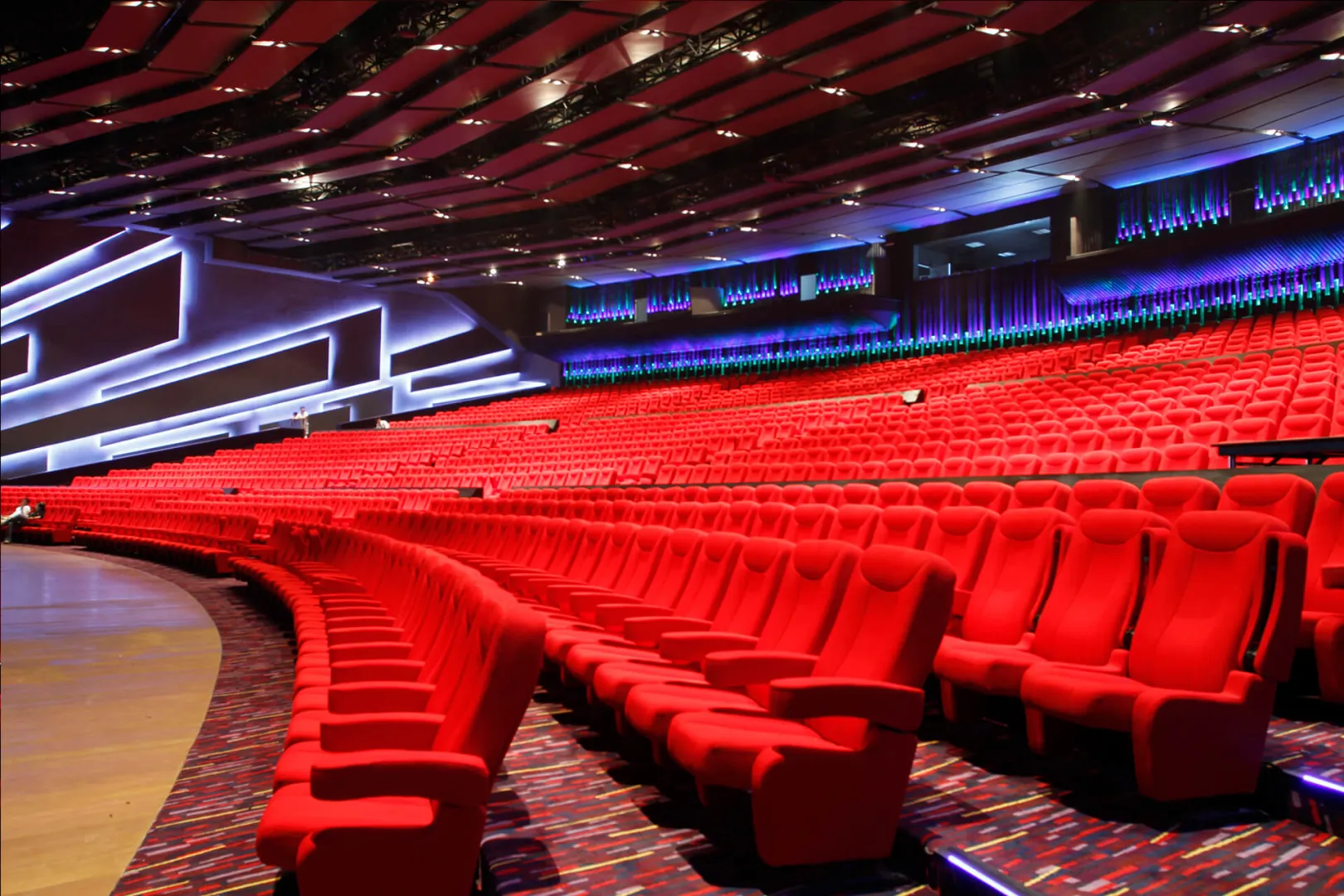
For many individuals with autism, the world can feel like a disorienting symphony of unpredictable stimuli—unexpected noises, flickering lights, or the relentless hum of social expectations that demand rapid interpretation. The theater, however, offers a paradoxical sanctuary: a controlled environment where chaos is not merely managed but choreographed into meaning. The rigid structure of a script, the rhythmic cadence of dialogue, and the deliberate pacing of scenes create a predictable framework that can be both comforting and liberating. In this space, the autistic mind finds solace in the familiar cadence of rehearsed lines, the tactile comfort of props, and the visual clarity of stage directions. The stage becomes a cocoon where the cacophony of the external world is distilled into a harmonious narrative, allowing performers to navigate their emotions with precision and purpose.
Consider the actor who thrives in the meticulous repetition of a monologue, where each inflection and pause is rehearsed to perfection. For someone with autism, this repetition is not a chore but a balm—a way to anchor themselves in a world that often feels fluid and unpredictable. The stage, in this sense, is not just a platform for performance; it is a sanctuary where the autistic individual can reclaim agency over their sensory and emotional landscape, transforming overwhelming stimuli into a symphony of controlled expression.
Expressive Alchemy: Transmuting Silence into Sound
Autism often intersects with a profound inner world, where thoughts and emotions simmer beneath the surface, waiting for a vessel through which they can be released. Theater provides that vessel. Through acting, improvisation, and movement, individuals with autism can transmute the intangible into the tangible, converting the abstract into concrete expressions that resonate with others. The stage becomes an alchemical laboratory where silence is not absence but potential energy, waiting to be harnessed into dialogue, gesture, or song.
Take, for instance, the power of nonverbal communication in theater. For those who struggle with verbal expression, the physicality of performance—body language, facial expressions, and movement—becomes a language in itself. A raised eyebrow, a clenched fist, or a slow, deliberate step can convey volumes, bypassing the need for words altogether. This form of expression is not just a workaround; it is an art form in its own right, one that celebrates the richness of nonverbal communication and validates the unique ways autistic individuals experience and share emotion.
Moreover, theater allows for the exploration of identity in a way that few other mediums can. Through role-playing and character immersion, performers can experiment with different facets of themselves, shedding the constraints of societal expectations and embracing the fluidity of self-expression. For someone with autism, who may grapple with rigid self-perceptions or societal misconceptions, this exploration can be profoundly liberating. The stage becomes a mirror that reflects not just who they are, but who they might become.
The Ensemble Effect: Building Bridges Through Shared Narratives
One of the most compelling aspects of theater is its capacity to foster connection—not just between performer and audience, but among the performers themselves. The ensemble dynamic of a theatrical production is a microcosm of social collaboration, where each individual’s contribution is essential to the collective whole. For individuals with autism, who may struggle with social nuances or face challenges in group settings, the ensemble offers a structured yet dynamic environment to practice and refine social skills in a low-stakes, high-reward context.
Consider the rehearsal process, where actors must listen, adapt, and respond to one another in real time. This mirrors the unpredictability of real-world social interactions, but within a framework that is both supportive and creative. The director’s guidance acts as a scaffold, providing clear expectations and immediate feedback, while the collaborative nature of the work encourages empathy and mutual understanding. For autistic performers, this can be a transformative experience—one that demystifies the art of social engagement and replaces anxiety with a sense of belonging.
The ensemble effect extends beyond the stage, too. Theater groups often become tight-knit communities where individuals support one another, celebrate each other’s strengths, and navigate challenges together. For someone with autism, who may feel isolated in mainstream social circles, this sense of camaraderie can be life-affirming. It is a reminder that connection is not about conformity but about collaboration, and that every voice, regardless of its pitch or cadence, has a place in the chorus.
The Audience as Mirror: Validating the Unseen
For many autistic individuals, the experience of being seen—truly seen—can feel like a rare and fleeting phenomenon. Theater changes that. When an actor steps into the spotlight, they are not just performing; they are offering a piece of themselves to the world, and in doing so, they invite the audience to witness their truth. This act of validation can be profoundly healing, particularly for those who have spent a lifetime feeling misunderstood or invisible.
The audience, in turn, plays a crucial role in this dynamic. A receptive audience can amplify the performer’s sense of worth, turning the stage into a space of mutual recognition. For autistic performers, this reciprocity can be especially powerful. The applause is not just a reward for a job well done; it is a confirmation that their voice matters, that their story resonates, and that their unique perspective is valued. In a world that often prioritizes conformity, the theater offers a radical alternative: a space where difference is not just tolerated but celebrated.
Moreover, the act of watching a performance can be just as transformative as performing. For autistic individuals who may struggle to interpret social cues in real time, theater provides a controlled environment to observe and internalize emotional expressions, body language, and narrative arcs. Over time, this exposure can enhance their ability to read and respond to social signals in everyday life, bridging the gap between the stage and the world beyond.
The Ripple Effect: Theater as a Catalyst for Change
The benefits of theater for autistic individuals extend far beyond the stage. The skills honed in performance—confidence, adaptability, empathy, and self-expression—are transferable to countless aspects of life. A shy child who finds their voice through acting may carry that newfound confidence into the classroom or the workplace. An adult who struggles with emotional regulation might discover a sense of calm and control through the rhythmic discipline of rehearsal. The stage, in this sense, is not just a platform for art; it is a training ground for life.
Beyond individual growth, theater has the power to reshape societal perceptions of autism. When autistic performers take center stage, they challenge stereotypes and dismantle the notion that neurodivergence is a limitation. Instead, they showcase the unique strengths that autism can bring to the creative process—an eye for detail, a depth of emotion, a capacity for hyperfocus, and an unparalleled ability to think outside the box. Theater becomes a vehicle for advocacy, a way to educate the public and foster a more inclusive society.
The ripple effect of this work is profound. As more autistic individuals find their place in the performing arts, they inspire others to do the same, creating a virtuous cycle of representation and empowerment. The stage, once a place of exclusion, becomes a beacon of possibility, proving that art is not the domain of the few but the birthright of the many.
The theater is a living, breathing entity—a symphony of light, sound, and human connection that transcends the boundaries of language and convention. For individuals with autism, it is more than a stage; it is a sanctuary, a laboratory, a mirror, and a bridge. It is a space where silence is not absence but potential, where difference is not a deficit but a strength, and where every performance is a testament to the power of being seen. In the luminous interplay of art and identity, the stage becomes a crucible for transformation, proving that the most extraordinary stories are not those that conform to expectation, but those that dare to be themselves.