In the quiet hum of a suburban afternoon, a child with autism sits on the porch, fingers tracing the rough bark of an oak tree. Nearby, a golden retriever stretches lazily in the sun, its tail thumping against the wooden planks like a metronome counting time. There is no spoken language between them, yet a silent understanding lingers in the air—a bond forged not through words, but through presence, patience, and purpose. This is more than companionship; it is a bridge. A bridge that transforms chaos into calm, isolation into inclusion, and uncertainty into understanding. Autism and dog training, when woven together, become a symphony of responsibility and connection, a duet where each note resonates with meaning.
Imagine responsibility not as a burden, but as a garden. Each seed planted is a small act of care—feeding the dog, brushing its coat, walking it through the neighborhood. Over time, these seeds sprout into habits, then into strengths. The child learns that care is not a one-time gesture, but a daily rhythm. The dog, in turn, becomes a living mirror, reflecting back the consistency and kindness of its handler. This reciprocal relationship is the heart of autism and dog training: a living curriculum where responsibility is taught not through lectures, but through lived experience.
The Alchemy of Trust: How Dogs Become Mirrors of Emotional Clarity
Trust is not built in grand declarations, but in quiet moments. For a child with autism, the world can feel unpredictable—a cacophony of sensory input where emotions and intentions are often obscured. A dog, however, speaks in a language of immediacy: a nudge, a lean, a wagging tail. These signals are unambiguous. A dog does not mask its feelings. It does not say one thing and mean another. In this clarity, the child begins to decode emotional cues—learning to read not just the dog’s body language, but their own emotions reflected back through the animal’s calm or excitement.
This alchemy of trust is transformative. The child learns that safety can be found in consistency, that connection can be built through repetition, and that responsibility is not a demand, but a gift they give to another being. The dog, in its unwavering presence, becomes a sanctuary—a living reminder that the world, though complex, can be navigated with patience and care.
From Commands to Confidence: Structured Routines as Life Anchors
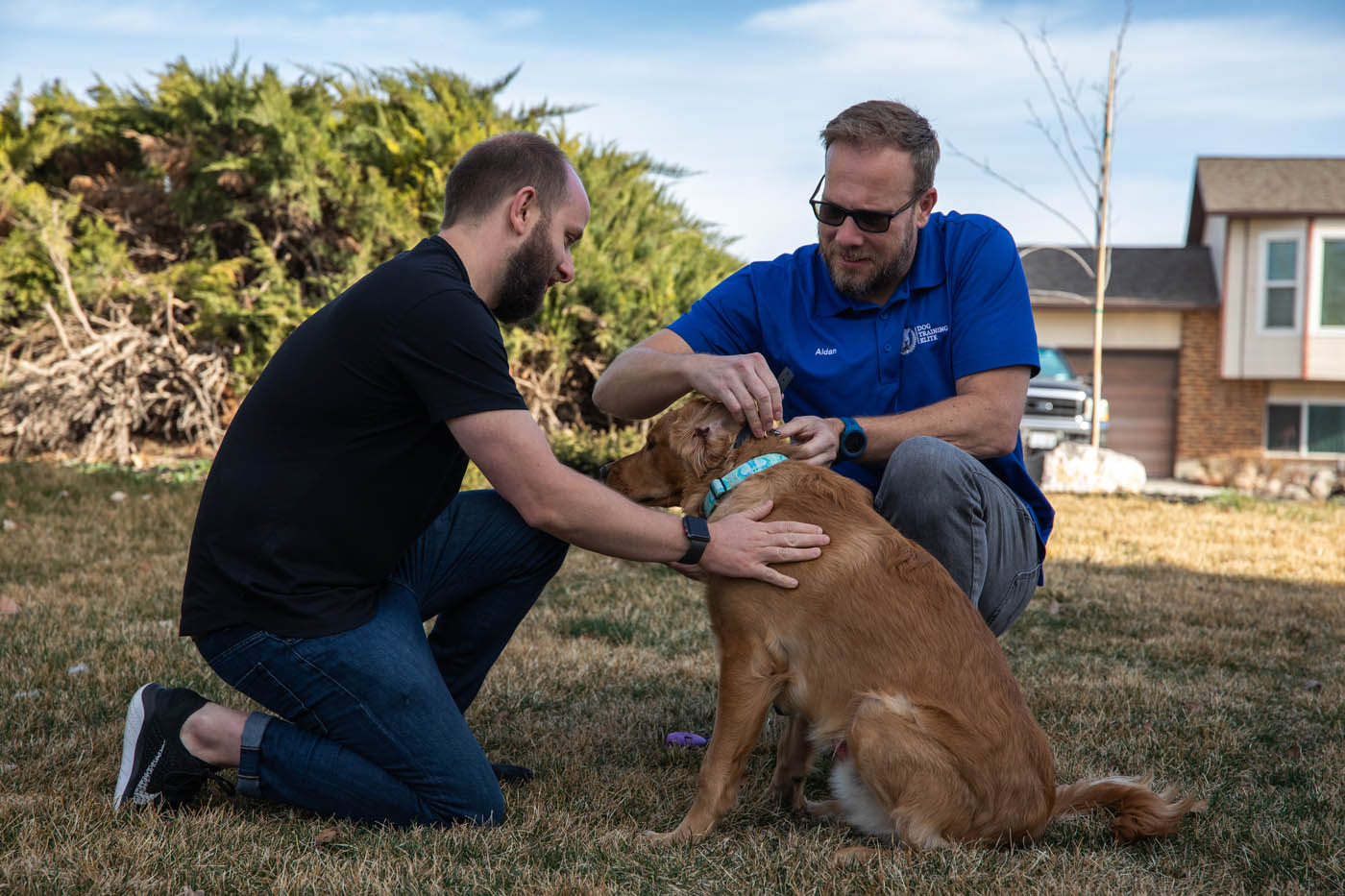
Structure is the scaffolding of growth. In autism and dog training, structured routines—such as daily feeding times, grooming sessions, or leash walks—become anchors in a sea of unpredictability. Each command learned is a step toward mastery. “Sit.” “Stay.” “Come.” These words are not just instructions; they are invitations to participate in a shared world. The child learns that actions have consequences, that patience yields rewards, and that progress is measured not in leaps, but in steady steps.
But the true magic lies in the transfer of these skills. The discipline learned in training a dog begins to seep into other areas of life. Completing homework, managing chores, or even navigating social interactions become less daunting when the child has already mastered the art of breaking down complex tasks into manageable parts. The dog becomes a silent mentor, teaching not through words, but through the quiet rhythm of daily practice.
The Ripple Effect: Responsibility as a Catalyst for Social Connection
Responsibility is not a solitary endeavor. When a child with autism takes on the role of caring for a dog, they become part of a larger ecosystem. Neighbors notice. Friends ask questions. The act of walking a dog in the park becomes an opportunity for interaction—whether it’s a smile from a passerby or a conversation with another dog owner. These moments, though small, are monumental. They transform isolation into inclusion, and hesitation into connection.
Moreover, the dog itself becomes a social bridge. Therapy dogs, in particular, are often welcomed in schools, libraries, and community centers. A child who may struggle to express themselves in a classroom might find comfort in reading aloud to a dog, their voice steady and calm in the presence of a nonjudgmental listener. The dog does not correct pronunciation or demand eye contact. It simply listens. And in that listening, the child discovers a voice they didn’t know they had.
Sensory Harmony: The Dog as a Calming Force in a Chaotic World
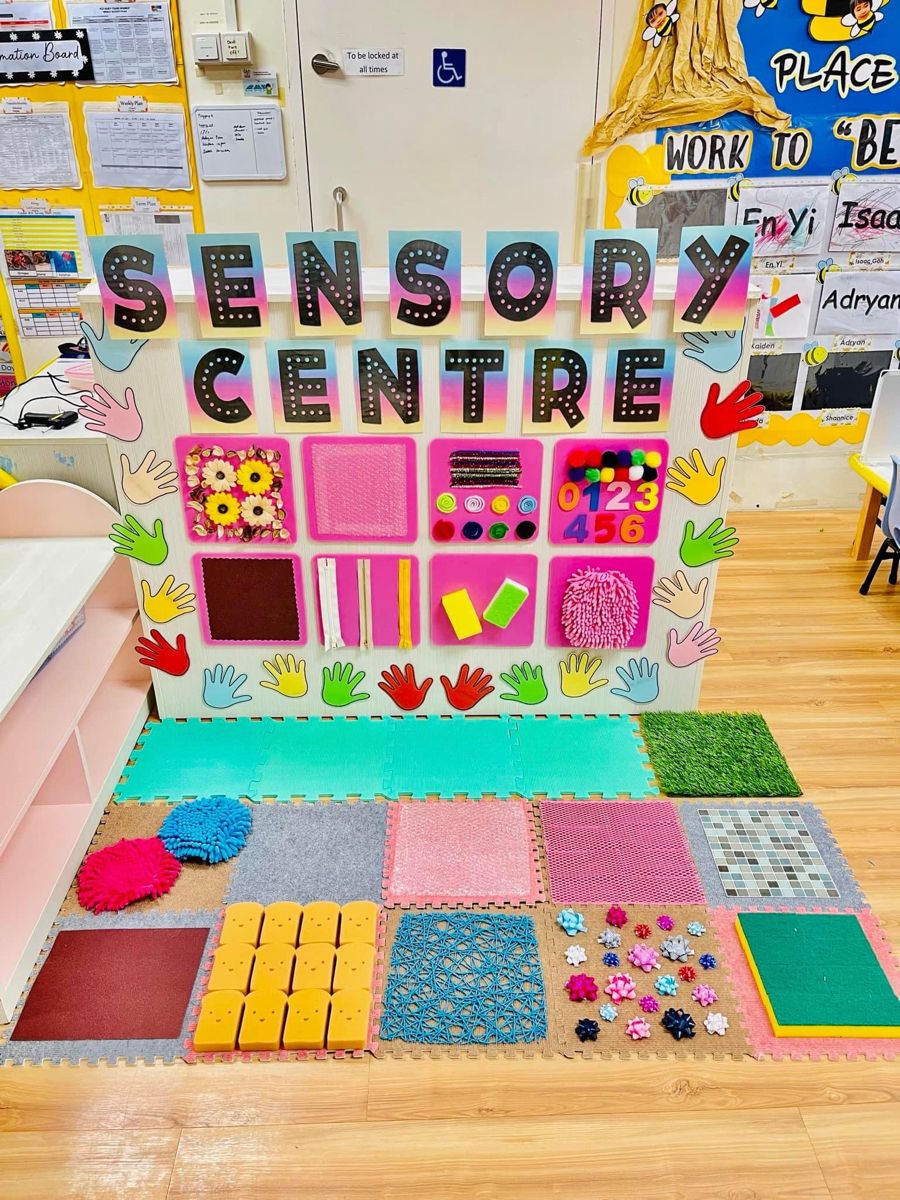
For many individuals with autism, sensory overload is a constant companion. Loud noises, bright lights, or crowded spaces can trigger distress. A dog, with its rhythmic breathing, soft fur, and predictable movements, becomes a portable sanctuary. The act of petting a dog can regulate the nervous system, lowering heart rate and reducing anxiety. The warmth of a dog’s body is a tactile anchor, grounding the child in the present moment.
This sensory harmony extends beyond physical touch. The sound of a dog’s bark can be startling, but it can also be a signal—a reminder that not all noise is threatening. The smell of a dog, earthy and familiar, can be comforting. Even the sight of a dog’s gentle eyes can evoke a sense of safety. In this way, the dog becomes more than a companion; it is a sensory regulator, a living balm for a world that often feels overwhelming.
Empowerment Through Partnership: Redefining Autonomy and Agency
Autonomy is not about doing everything alone, but about making choices that resonate with one’s own values and capabilities. In autism and dog training, the child is not a passive recipient of care, but an active participant in a partnership. They decide when to feed the dog, which route to take on a walk, or how to respond to the dog’s cues. This agency fosters a sense of ownership and pride—qualities that are often underdeveloped in individuals who are constantly adapting to a world that doesn’t always accommodate their needs.
The dog, too, plays a crucial role in this dynamic. It does not demand perfection. It accepts progress. A shaky “sit” command is still a success. A hesitant step on a leash is still a step forward. This acceptance is empowering. It teaches the child that growth is not linear, that mistakes are part of the journey, and that their efforts matter—even if they are small.
The golden retriever stretches once more, its tail wagging as the child kneels beside it, placing a gentle hand on its head. The afternoon light softens the edges of the world, turning sharp corners into gentle curves. What began as a simple act of care has blossomed into something far greater—a partnership that transcends language, a responsibility that transforms lives, and a connection that heals.
Autism and dog training are not just about teaching commands or instilling routines. They are about rewriting narratives. They are about turning isolation into inclusion, uncertainty into understanding, and chaos into calm. In the quiet companionship of a dog, a child with autism finds not just a friend, but a teacher, a mirror, and a guide. And in the act of caring for another, they discover a strength they never knew they had. This is the true magic of the bond between humans and dogs—a bond that teaches responsibility not as a duty, but as a gift, and connection not as a goal, but as a way of being.

![Autism-Friendly Events in [Your City] This Month](https://familyagre.org/wp-content/uploads/2026/05/autism.png)