Autism and epilepsy, two complex neurological conditions, often intersect in ways that challenge conventional understanding. While autism spectrum disorder (ASD) is primarily associated with social communication differences and repetitive behaviors, epilepsy introduces a disruptive force—seizures—that can reshape lives in profound ways. The interplay between these conditions is not merely a medical curiosity; it is a gateway to rethinking how we approach diagnosis, treatment, and support for those navigating both worlds. What if the key to unlocking better outcomes lies not in treating them as separate entities but in recognizing their shared neural underpinnings? This exploration delves into the intricate relationship between autism and epilepsy, unraveling the mechanisms that bind them and the innovative strategies emerging to manage their challenges.
Imagine a child whose mind is a labyrinth of thoughts, where sensory inputs collide in a cacophony of overstimulation. Now, picture that same child experiencing a seizure—a sudden, violent storm in the brain that disrupts their world without warning. For many individuals with autism, epilepsy is not an abstract risk but a tangible reality. Research suggests that up to 30% of autistic individuals also have epilepsy, a statistic that underscores the urgency of understanding this comorbidity. Yet, the story does not end with numbers. It extends into the lived experiences of families, the silent struggles of caregivers, and the relentless pursuit of therapies that can offer stability in an unpredictable landscape.
The Neurological Tapestry: How Autism and Epilepsy Intertwine
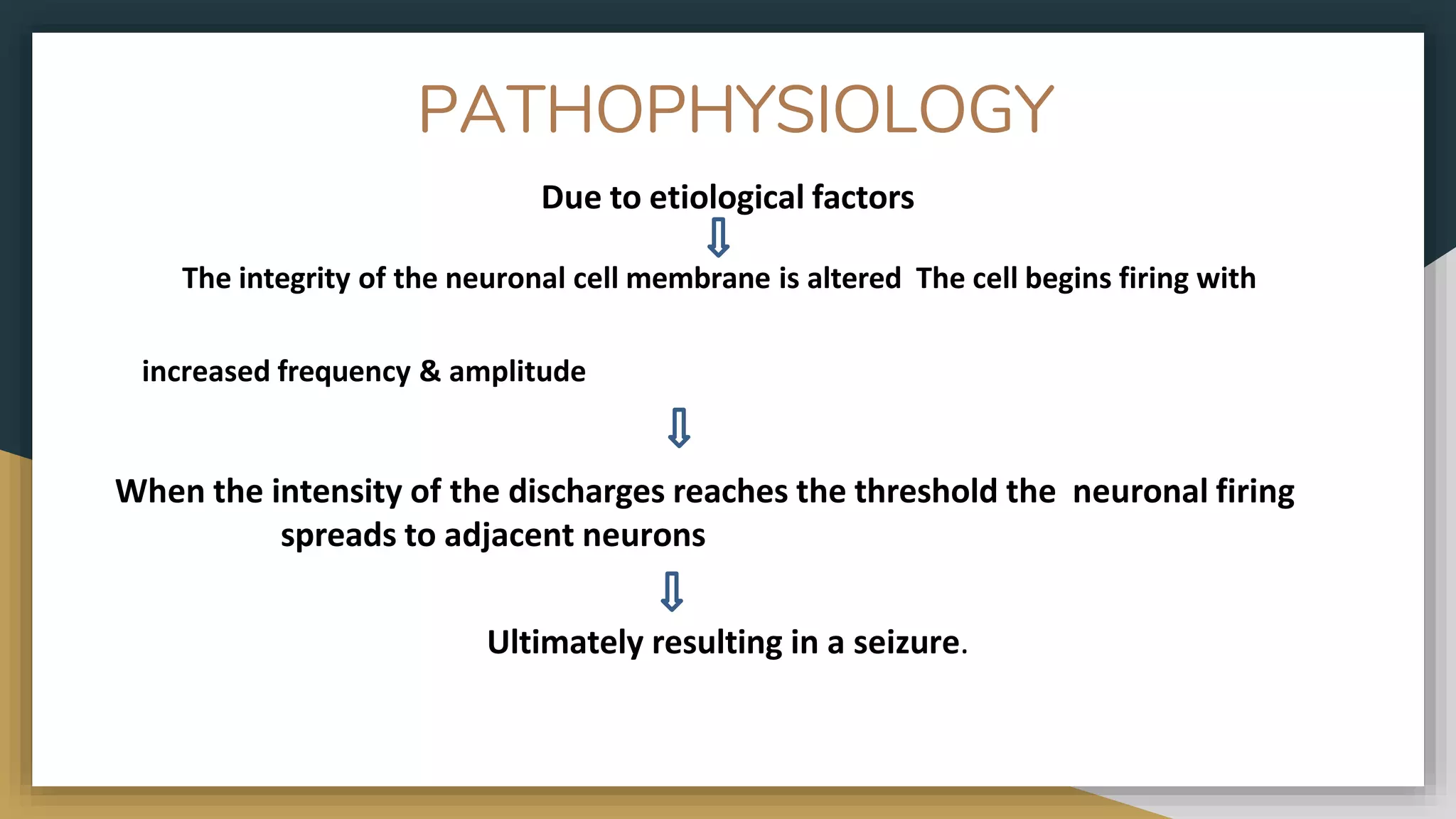
The brain is a masterpiece of interconnected circuits, where even the slightest misfiring can send ripples through the entire system. In autism, atypical neural connectivity is a hallmark, with some regions overdeveloped while others lag behind. Epilepsy, on the other hand, is characterized by hyperexcitable neurons that fire in uncontrolled bursts. When these two conditions coexist, the result is a neurological tapestry woven with threads of both hyperconnectivity and hyperexcitability. This duality creates a paradox: the very traits that define autism—such as heightened sensory sensitivity and repetitive behaviors—may also predispose an individual to seizures.
Genetics plays a pivotal role in this intersection. Mutations in genes like SCN1A, which encodes a sodium channel critical for neuronal firing, have been linked to both autism and epilepsy. Similarly, copy number variations (CNVs) in regions like 15q11-13 are associated with increased seizure susceptibility in autistic individuals. These genetic overlaps suggest that the two conditions may share common pathways, blurring the lines between diagnosis and treatment. For clinicians, this means that a one-size-fits-all approach is inadequate. Instead, precision medicine—tailored to the unique genetic and neural profile of each individual—holds the promise of more effective interventions.
Seizure Types and Their Unique Challenges in Autism
Not all seizures are created equal, and their manifestations in autistic individuals can be particularly insidious. Generalized tonic-clonic seizures, characterized by convulsions and loss of consciousness, are the most recognizable. However, autistic individuals are more likely to experience atypical seizures, such as absence seizures or focal seizures, which may go unnoticed. These subtle episodes can present as brief lapses in attention, sudden mood shifts, or unexplained behavioral outbursts, often mistaken for autistic traits rather than neurological events.
Moreover, the sensory and cognitive differences in autism can mask seizure activity. A child who is already prone to sensory overload may not register the aura or postictal confusion that typically accompanies seizures. This diagnostic blind spot delays intervention, leaving families and caregivers grappling with unexplained challenges. Video electroencephalogram (EEG) monitoring has emerged as a vital tool in these cases, capturing the subtle electrical disturbances that elude standard EEGs. By bridging the gap between observable behaviors and underlying neural activity, this technology offers a clearer picture of the seizure landscape in autism.
The Ripple Effect: How Seizures Impact Autistic Traits
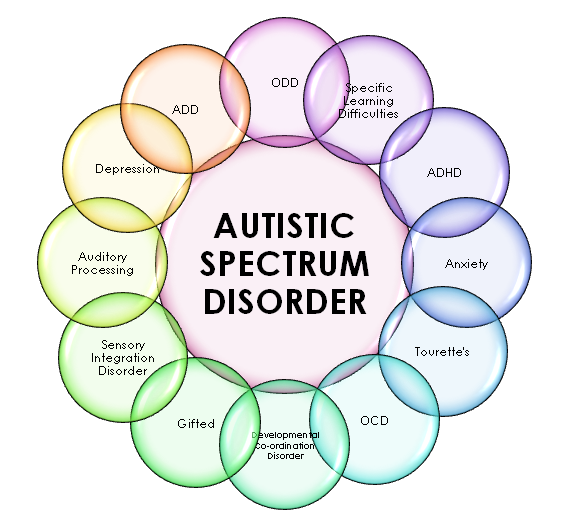
The relationship between autism and epilepsy is not unidirectional. Seizures can exacerbate core autistic symptoms, creating a vicious cycle of challenges. For instance, frequent seizures may impair cognitive function, leading to regression in language skills or adaptive behaviors. Conversely, the stress of managing seizures can heighten anxiety, a common comorbidity in autism, further complicating social interactions and emotional regulation.
Consider the case of a nonverbal autistic teenager whose seizures suddenly increase in frequency. The once-stable routines that provided comfort now feel precarious, and the family watches helplessly as their child’s progress stalls. This scenario highlights the need for holistic care that addresses both the neurological and behavioral dimensions of autism and epilepsy. Occupational therapy, for example, can help mitigate sensory sensitivities that may trigger seizures, while behavioral interventions can support emotional regulation during postictal periods. The goal is not just to control seizures but to restore a sense of equilibrium to the individual’s daily life.
Innovative Management Strategies: Beyond Traditional Antiepileptics
Traditional antiepileptic drugs (AEDs) often fall short in autistic individuals, either due to inefficacy or intolerable side effects. Ketogenic diets, which have shown promise in reducing seizures, may also improve behavioral outcomes in some autistic children. The mechanism is not fully understood, but the diet’s anti-inflammatory effects and influence on gut-brain axis could play a role. Similarly, cannabidiol (CBD), a non-psychoactive compound derived from cannabis, has gained attention for its potential to reduce seizure frequency without the cognitive dulling effects of conventional medications.
For those resistant to pharmacological interventions, neuromodulation techniques offer a glimmer of hope. Vagus nerve stimulation (VNS), a procedure that delivers electrical impulses to the brain via the vagus nerve, has been shown to reduce seizure frequency in some autistic individuals. Deep brain stimulation (DBS), though still experimental in this population, targets specific brain regions to regulate neural activity. These cutting-edge therapies underscore a paradigm shift: the future of epilepsy management in autism may lie not in suppressing symptoms but in recalibrating the brain’s electrical landscape.
The Caregiver’s Burden: Navigating the Emotional and Practical Realities
Behind every statistic and clinical trial is a family navigating the daily realities of autism and epilepsy. The emotional toll is immense—watching a child struggle with seizures while grappling with the social and educational challenges of autism can feel like an endless marathon. Caregivers often become detectives, piecing together clues from fragmented behaviors to identify seizure activity or triggers. The burden is compounded by the lack of specialized resources, as many support systems are designed for either autism or epilepsy, not both.
Support groups and respite care can provide much-needed relief, but systemic changes are essential. Schools, for instance, must be equipped to handle both the educational and medical needs of autistic children with epilepsy. Teachers trained in seizure first aid and behavioral strategies can create a safer, more inclusive environment. Policymakers, too, must prioritize funding for research that explores the intersection of these conditions, ensuring that families are not left to navigate this complex landscape alone.
Looking Ahead: A Future of Integrated Care
The convergence of autism and epilepsy is more than a medical phenomenon; it is a call to action. It challenges us to move beyond siloed approaches and embrace a model of care that is as dynamic and interconnected as the conditions themselves. Emerging technologies, such as artificial intelligence-driven seizure prediction algorithms, hold the potential to revolutionize management by providing real-time alerts and personalized interventions. Meanwhile, advances in neuroimaging are shedding light on the shared neural pathways of autism and epilepsy, paving the way for targeted therapies.
Yet, the most profound shift may come from changing societal perceptions. Autism and epilepsy are not weaknesses to be overcome but facets of human diversity that deserve understanding and accommodation. By fostering environments that celebrate neurodiversity while providing robust medical support, we can create a world where individuals with both autism and epilepsy thrive—not despite their challenges, but because of the unique strengths they bring.
The journey is far from over, but the path forward is illuminated by innovation, empathy, and an unwavering commitment to unlocking the potential of every mind. In the intersection of autism and epilepsy lies not just a medical puzzle, but a testament to the resilience of the human spirit.