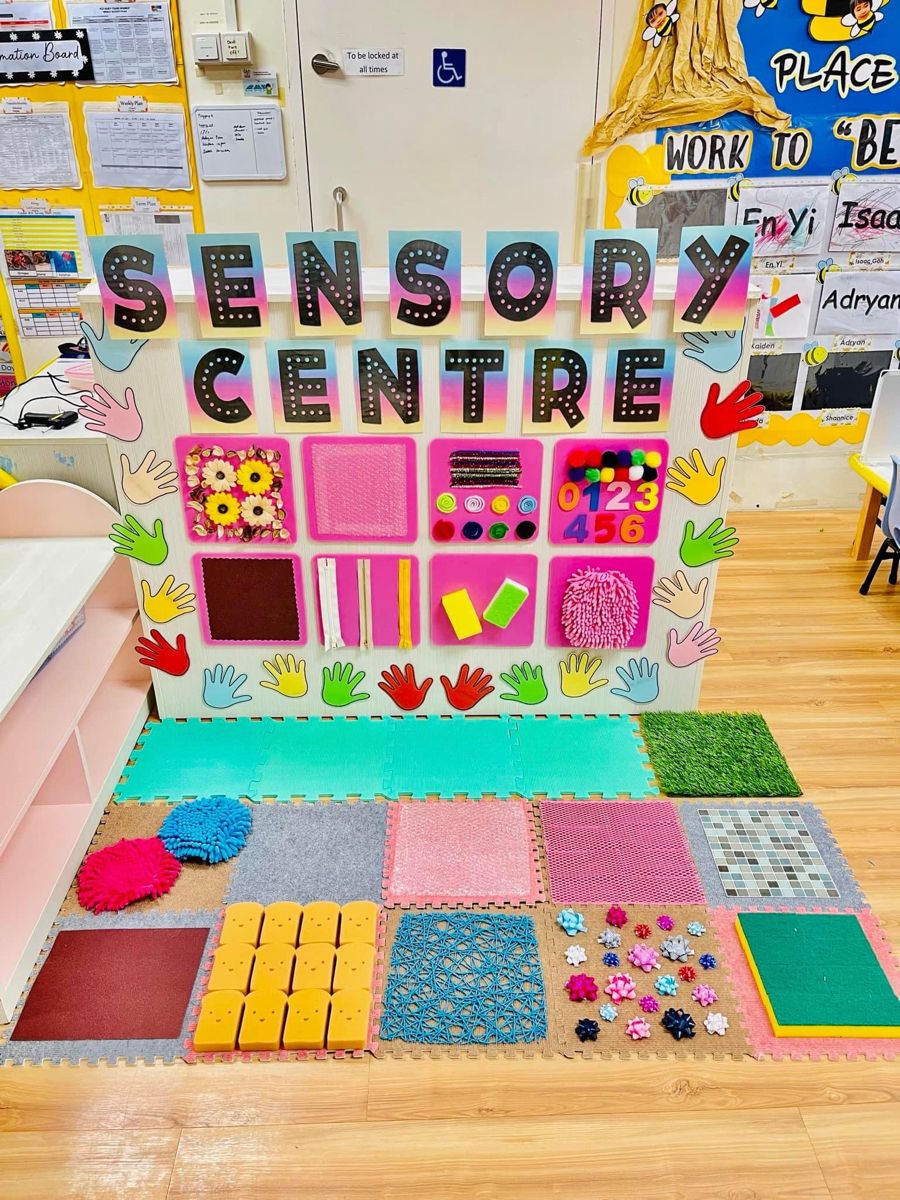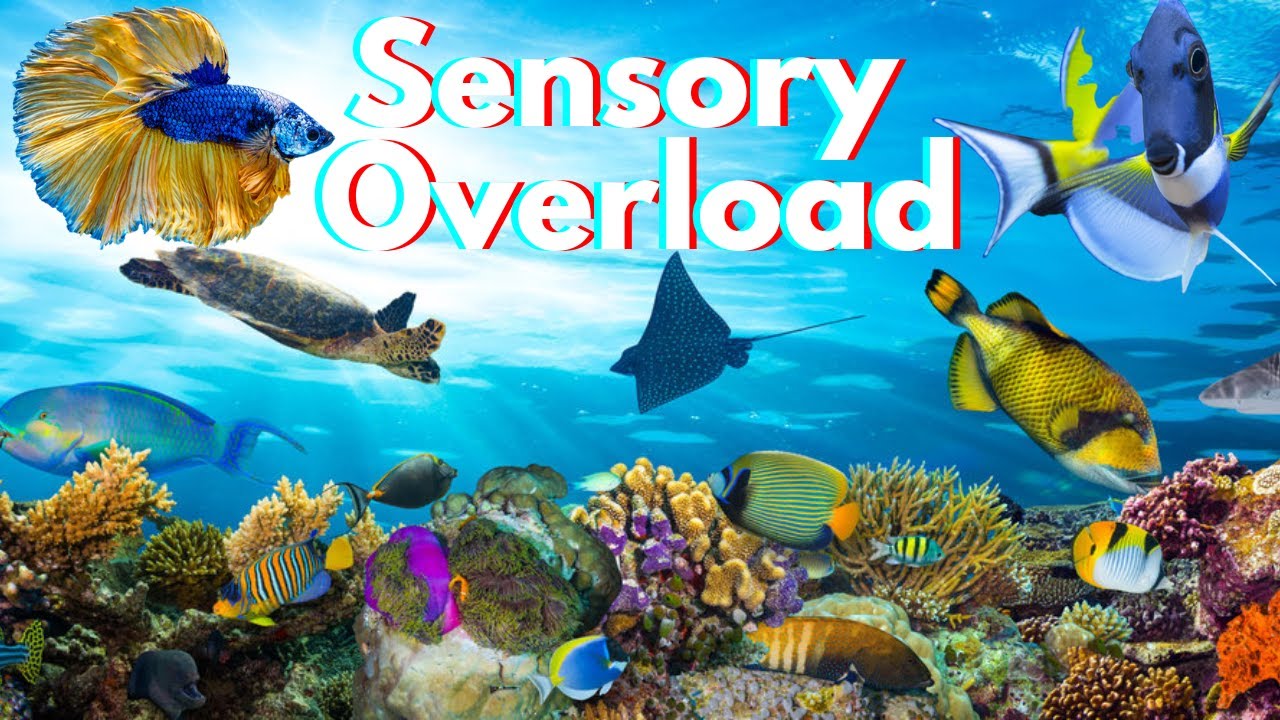
The gentle hum of a filter, the soft ripple of water against glass, the kaleidoscope of colors drifting in silent motion—few things in nature possess the quiet power to still the mind as effortlessly as a fish tank. For individuals on the autism spectrum, aquariums transcend mere decoration; they become sanctuaries of sensory regulation, emotional grounding, and cognitive clarity. The rhythmic dance of fins, the gentle undulation of aquatic plants, and the muted glow of submerged life form a living tableau that speaks directly to the nervous system without demanding attention. In the world of autism, where sensory overload can feel like a storm with no shelter, a fish tank offers a harbor—calm, predictable, and endlessly soothing.
This phenomenon is not merely anecdotal. Research in environmental psychology and neurodiversity studies increasingly highlights how controlled, naturalistic environments can modulate arousal levels, reduce anxiety, and enhance focus in autistic individuals. A well-designed aquarium acts as a dynamic sensory buffer: the visual flow of fish gliding through water mimics the brain’s own rhythmic patterns, while the auditory backdrop of bubbling water and filter noise provides a consistent, non-intrusive white noise that drowns out chaotic stimuli. It is not just a tank—it is a living metronome for the mind, synchronizing chaos into harmony.
The Aquarium as a Neural Mirror: How Water Mirrors the Mind
Consider the act of watching fish. Their movements are neither hurried nor abrupt; they glide with purpose, yet without urgency. This deliberate, unhurried motion mirrors the ideal state of a regulated nervous system—one that is neither overstimulated nor understimulated. For an autistic person prone to hyperfocus or sensory-seeking behaviors, the aquarium becomes a visual anchor. The predictable patterns of fish swimming in loops or darting between plants offer a form of cognitive scaffolding, a structure that the brain can latch onto when overwhelmed by the unpredictability of the external world.
Moreover, the refractive quality of water transforms light into a soft, diffused glow, reducing glare and harsh contrasts that often trigger discomfort. The interplay of light and shadow within the tank creates a mesmerizing chiaroscuro effect, subtly engaging the visual cortex without overwhelming it. This gentle stimulation can be particularly beneficial for individuals with visual sensitivities, offering a controlled environment where color and movement can be enjoyed at one’s own pace.
Sensory Regulation Through Liquid Architecture
Autism often involves a finely tuned—or finely overwhelmed—sensory system. The tactile experience of water, whether through the touch of a finger on the glass or the sound of droplets from a fountain, can be deeply grounding. Many aquariums incorporate bubble tubes or waterfalls, which produce a rhythmic, pulsating sound that mimics the body’s own respiratory rhythm. This auditory feedback loop can help regulate breathing, lower heart rate, and induce a state of calm akin to meditation.
For those who seek deep pressure input, the act of gently tapping the glass or running a hand along the tank’s edge can provide a form of proprioceptive feedback—calming the nervous system through controlled, rhythmic touch. The weight of the water itself, contained yet dynamic, offers a paradoxical sense of both containment and freedom, a metaphor for emotional regulation: held, yet not constrained.

The Cognitive Oasis: Fish Tanks and Focus in a Distracted World
In an era dominated by flashing screens and fragmented attention, the aquarium stands as a bastion of sustained focus. The act of observing fish has been shown to improve concentration in autistic individuals, particularly those with attention difficulties. The slow, deliberate nature of aquatic life encourages a meditative state—what psychologists term “soft fascination.” Unlike the jarring stimuli of digital media, the aquarium demands nothing but passive engagement, allowing the mind to wander without losing itself in distraction.
This phenomenon extends beyond mere observation. Many autistic individuals find that maintaining an aquarium—testing water parameters, arranging decorations, or feeding fish—provides a structured, rewarding routine. The clear cause-and-effect relationships in aquarium care (e.g., adding food leads to fish responding) offer a tangible sense of control, counteracting the unpredictability that often fuels anxiety.
Emotional Resonance: The Unspoken Language of Aquatic Life
There is something profoundly poetic about the way fish interact with their environment. A betta fish flaring its fins in a territorial display, a school of neon tetras darting in unison, a catfish gliding along the substrate—each movement tells a story. For autistic individuals who may struggle with social cues or emotional expression, the aquarium provides a non-verbal language to interpret. The ebb and flow of aquatic life can mirror internal emotional states, offering a visual representation of feelings that words cannot capture.
This emotional resonance is heightened by the tank’s role as a living entity. Unlike static decorations, a well-maintained aquarium evolves over time—plants grow, fish mature, algae may bloom and recede. This organic transformation can be deeply comforting, a reminder that change, though inevitable, can be beautiful and manageable. It teaches patience, observation, and acceptance of gradual progress—qualities that resonate deeply with the autistic experience.
Designing for Neurodiversity: Crafting the Ideal Aquatic Sanctuary
Not all aquariums are created equal. To maximize their therapeutic potential, certain design principles should be considered. First, the tank’s size matters. Larger aquariums (50 gallons or more) provide more stable water conditions and a greater sense of immersion, while smaller tanks (10-20 gallons) can be more manageable for individuals who prefer simplicity. The shape of the tank also influences the viewing experience—long, horizontal tanks offer a panoramic view that mimics natural waterways, while tall, narrow tanks create a more intimate, focused perspective.
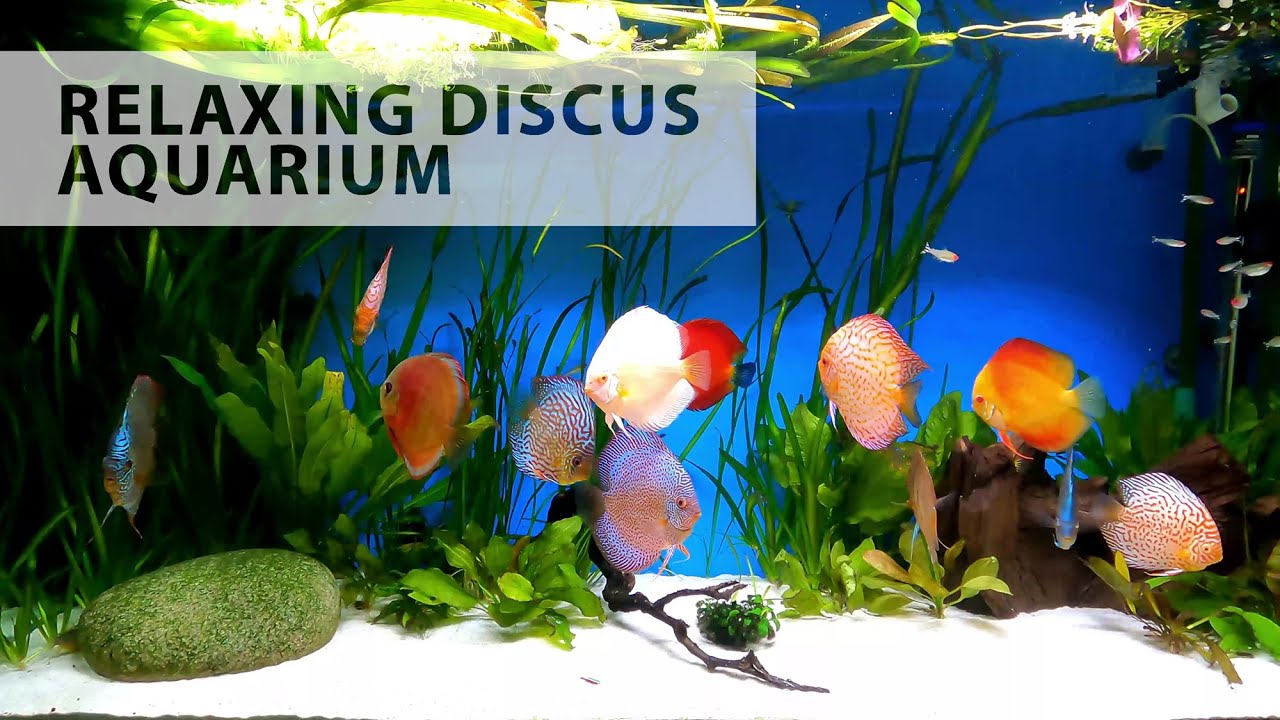
The choice of fish and plants further enhances the aquarium’s appeal. Slow-moving species like angelfish or discus provide a calming visual rhythm, while schooling fish like guppies or zebra danios create a sense of movement and community. Live plants, such as Java fern or Amazon sword, not only oxygenate the water but also introduce natural textures and colors that engage the senses without overwhelming them. Avoiding overly bright or neon-colored fish can prevent sensory overload, opting instead for softer hues like blues, greens, and earthy tones.
Lighting plays a crucial role. LED lights with adjustable brightness and color temperature allow for customization—warmer tones in the evening can promote relaxation, while cooler tones during the day can enhance alertness. Adding a timer to simulate natural day-night cycles further reinforces the tank’s role as a circadian regulator, helping to stabilize sleep patterns.
The Ripple Effect: Beyond the Individual to the Community
The benefits of aquariums extend beyond personal use. In therapeutic settings, such as sensory rooms or autism support centers, fish tanks serve as focal points for group activities. Watching fish can spark conversation, reduce social anxiety, and provide a shared sensory experience that fosters connection. For parents and caregivers, maintaining an aquarium can be a bonding activity, offering a quiet space for reflection and shared observation.
In educational environments, aquariums become living classrooms. They teach responsibility, biology, and environmental stewardship—lessons that resonate deeply with autistic learners who thrive on structured, hands-on experiences. The act of caring for aquatic life can instill a sense of purpose and competence, qualities that are invaluable in building self-esteem.
The aquarium is more than a decorative object; it is a living ecosystem that mirrors the inner workings of the mind. For autistic individuals, it offers a rare blend of stimulation and tranquility, a place where the chaos of the external world dissolves into the gentle undulation of water and light. In its silent, flowing presence, there is a profound lesson: that regulation is not about suppression, but about finding harmony in motion. The fish do not rush. They do not judge. They simply are—gliding, resting, existing in perfect synchrony with the rhythm of the water. And in that quiet persistence, they offer a sanctuary for the mind to do the same.