In the unpredictable dance of life, few events command as much raw power and sudden transformation as natural disasters. Earthquakes, wildfires, hurricanes, and floods do not announce their arrival with polite knocks—they crash through our lives like uninvited guests, leaving behind a trail of disruption and uncertainty. For most people, preparing for such emergencies is a daunting task, filled with logistical challenges and emotional hurdles. But for individuals on the autism spectrum, these challenges are magnified, layered with sensory sensitivities, communication barriers, and a need for structured routines that disasters ruthlessly dismantle.
Imagine, for a moment, the cacophony of a siren piercing the silence of a familiar home. The flashing lights of emergency vehicles, the acrid scent of smoke, the chaos of voices shouting instructions—all of it converging into a sensory storm that can feel overwhelming even to neurotypical individuals. Now, amplify that experience tenfold. For someone with autism, the sensory overload of a natural disaster can be paralyzing, turning a situation that demands quick thinking into a labyrinth of confusion and distress. Yet, within this complexity lies an opportunity—not just to prepare, but to reimagine emergency readiness in a way that honors neurodiversity and fosters resilience.

This article is not just another guide on stockpiling water and flashlights. It is an invitation to shift your perspective on emergency preparedness, to see it not as a burdensome chore, but as a transformative process—one that can empower individuals with autism to navigate crises with confidence and clarity. We will explore the unique challenges they face, the strategies that can mitigate those challenges, and the profound impact of tailored preparation on their well-being. By the end, you will not only understand the importance of inclusive emergency planning but also feel equipped to implement it in ways that resonate with the neurodivergent mind.
The Unseen Barriers: How Natural Disasters Exacerbate Autism-Related Challenges
Natural disasters do not discriminate, but their effects are far from uniform. For individuals with autism, the disruption to routine alone can be catastrophic. A sudden evacuation, the loss of familiar surroundings, or the absence of a beloved sensory item—a weighted blanket, a favorite toy—can trigger profound anxiety and behavioral regressions. The unpredictability of disasters strips away the predictability that many autistic individuals rely on to function, leaving them adrift in a sea of uncertainty.
Sensory sensitivities further complicate matters. The blare of emergency alerts, the glare of floodlights, the tactile discomfort of protective gear—all of these can escalate into full-blown meltdowns or shutdowns. Communication barriers add another layer of difficulty. Instructions delivered rapidly or in jargon-heavy language may go unheard or misunderstood, leaving individuals unable to respond appropriately. Even social cues, which many take for granted, can become indecipherable in the chaos of a crisis. The result? A heightened risk of being overlooked or misunderstood by first responders, who may not recognize the signs of distress as autism-related.
Consider the case of a child with autism who thrives on visual schedules. In the midst of an evacuation, the absence of a clear, step-by-step plan can leave them frozen, unable to process the rapid sequence of events unfolding around them. Or take the example of an adult who relies on noise-canceling headphones to regulate sensory input. Without access to these tools during an emergency, the cacophony of alarms and shouting can become unbearable, rendering them unable to follow critical safety instructions. These are not hypothetical scenarios; they are real-life challenges that demand proactive solutions.
Crafting a Sanctuary in the Storm: Tailored Emergency Preparedness
The key to effective emergency preparedness for individuals with autism lies in customization. Generic checklists and one-size-fits-all advice fall short when the needs of the individual are as unique as their fingerprint. The first step is to conduct a thorough assessment of their specific challenges and strengths. What sensory triggers do they have? What communication methods work best for them? What routines or items bring them comfort? Answering these questions provides the foundation for a plan that is not just practical, but deeply personal.
Visual supports are an invaluable tool in this process. Social stories, which use simple, illustrated narratives to explain what to expect during an emergency, can demystify the chaos and reduce fear. A social story might depict a fire drill, for instance, with clear images of firefighters, the sound of an alarm, and the steps to follow—such as lining up quietly and exiting the building. These stories can be reviewed regularly, turning the unfamiliar into the familiar and easing the transition from routine to emergency protocol.
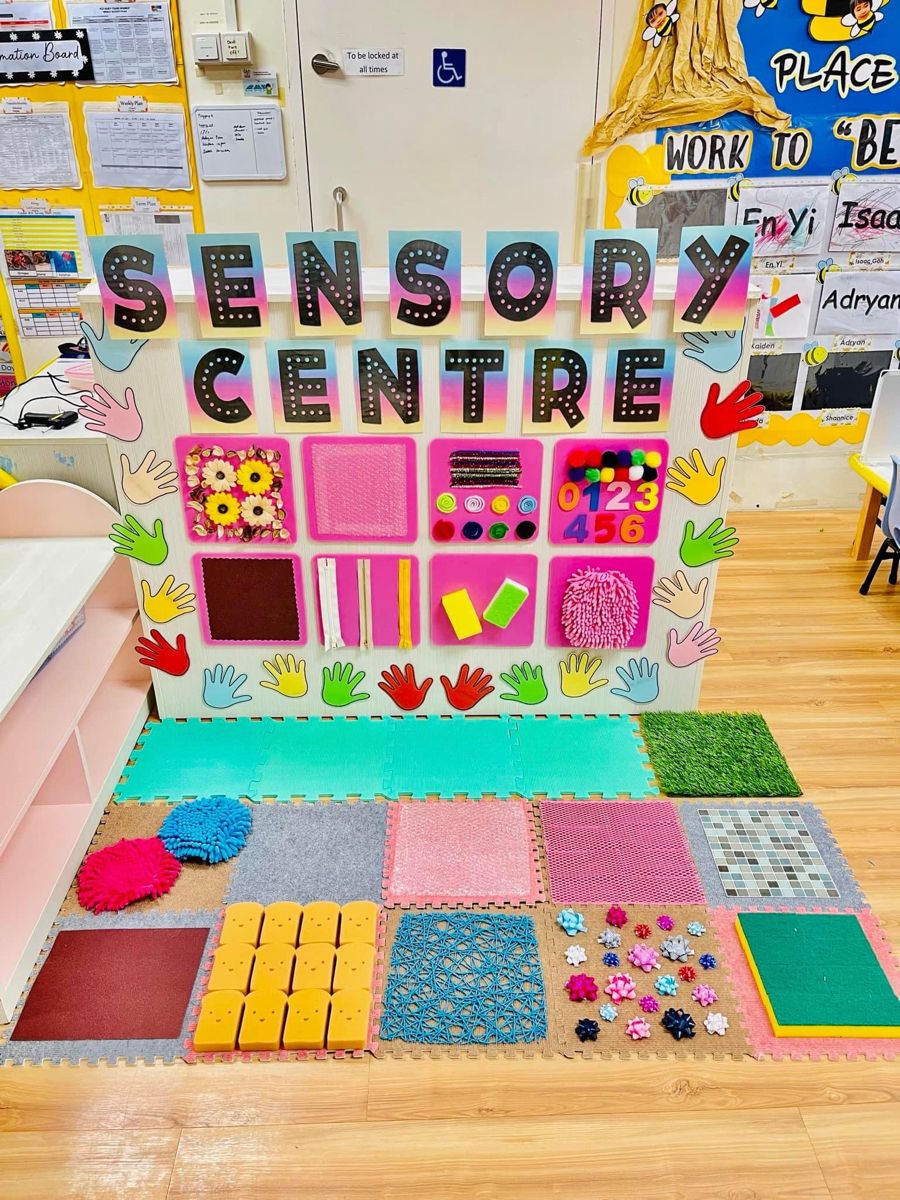
Sensory kits are another critical component. These portable, personalized collections of comfort items can include noise-canceling headphones, fidget tools, a favorite scent in a small vial, or a soft blanket. The goal is to create a portable sanctuary that can be accessed during a crisis, providing a sense of control and familiarity amidst the chaos. For those who rely on specific textures or tastes, including items like chewable jewelry or flavored lip balm can offer additional grounding.
Communication strategies must also be tailored. For nonverbal individuals, a picture exchange communication system (PECS) or a digital communication device can be lifesaving. For those who struggle with rapid speech or processing, pre-written scripts or cards with key phrases—such as “I need help” or “Where is my mom?”—can bridge the gap between confusion and clarity. It’s also essential to inform first responders and neighbors about these communication methods in advance, ensuring they are prepared to respond appropriately.
The Power of Practice: Drills with Dignity and Purpose
Preparedness is not a static state; it is a dynamic process that requires repetition and reinforcement. Emergency drills, when conducted thoughtfully, can transform abstract fears into manageable actions. However, traditional drills often fail to account for the needs of autistic individuals, turning what should be a confidence-building exercise into a source of trauma. The solution? Drills with dignity and purpose—ones that prioritize comfort, clarity, and collaboration.
Start by introducing drills gradually, using social stories to explain what will happen and what is expected. Break the process into smaller, manageable steps, and allow the individual to practice at their own pace. For example, a fire drill might begin with simply identifying the sound of the alarm, then progress to practicing the route to the exit, and finally, simulating the entire evacuation. Use timers sparingly, as the pressure of time can exacerbate anxiety. Instead, focus on mastery and comfort, celebrating each small victory along the way.
Incorporate sensory-friendly elements into drills. Use visual timers instead of auditory ones, opt for softer lighting, and allow the individual to wear their sensory kit during the exercise. If possible, conduct drills in familiar environments before introducing new or unfamiliar settings. The goal is to create a sense of safety and predictability, not to replicate the stress of a real emergency.
It’s also crucial to involve the individual in the planning process. Ask for their input on what would make the drill easier or more comfortable. Would they prefer to practice with a trusted friend or family member by their side? Would they like to use a specific coping strategy, such as deep pressure input or a favorite song, to help them stay regulated? By giving them a voice in the process, you empower them to take ownership of their preparedness, fostering a sense of agency that is often lost in the chaos of a crisis.
Building a Support Network: The Role of Community in Crisis
No one should face a natural disaster alone, yet individuals with autism are often at risk of being overlooked in the chaos. Building a support network in advance is not just a precaution; it is a lifeline. This network might include family members, neighbors, teachers, therapists, and local emergency responders who are trained to recognize and respond to autism-specific needs.
Start by compiling a list of contacts who can be reached in an emergency, including their roles and availability. For example, a neighbor might be designated as the “go-to” person for assistance, while a teacher could provide a safe space to wait during an evacuation. Ensure that this list is shared with the individual and any caregivers, so they know who to turn to for help. It’s also wise to include a backup plan in case primary contacts are unavailable, such as a local autism support group or a designated emergency shelter with trained staff.
Community training is another vital component. Work with local emergency responders to educate them about autism, including common behaviors, communication challenges, and sensory sensitivities. Provide them with visual aids or cards that outline key information, such as how to approach an autistic individual in distress or how to adapt their communication style. The more informed they are, the better equipped they will be to provide effective support.
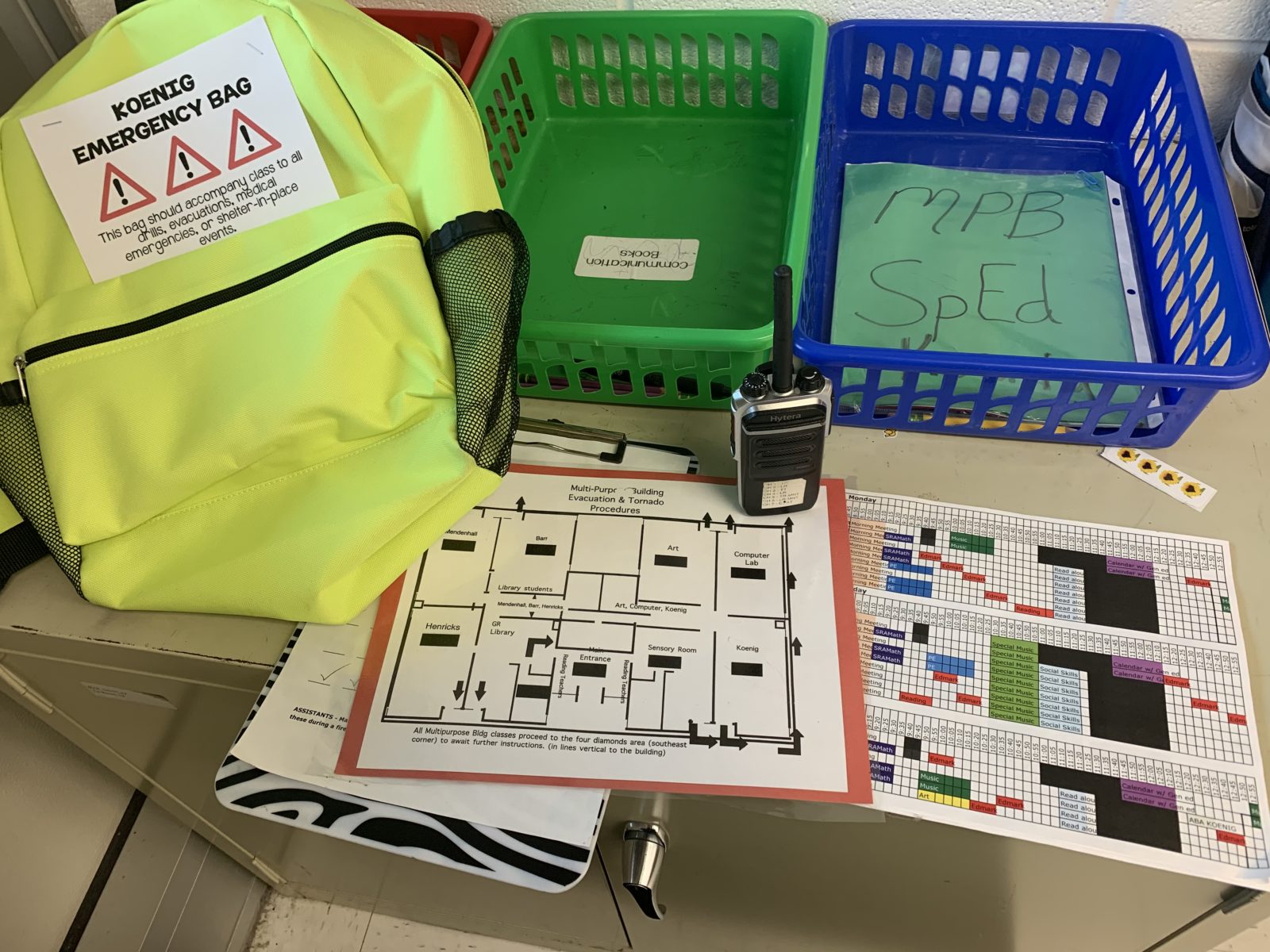
For those who live in group settings, such as residential facilities or schools, collaborate with staff to develop individualized emergency plans. These plans should detail the specific needs of each resident or student, including their sensory triggers, communication methods, and preferred coping strategies. Regularly review and update these plans to ensure they remain relevant and effective.
Beyond the Crisis: The Long-Term Impact of Preparedness
Emergency preparedness is not just about surviving a disaster; it’s about thriving in its aftermath. For individuals with autism, the recovery phase can be just as challenging as the crisis itself. Disruptions to routine, changes in living arrangements, and the lingering effects of sensory overload can all contribute to heightened anxiety and behavioral challenges. A well-prepared plan, however, can mitigate these effects, providing a roadmap to stability and resilience.
Recovery begins with reconnecting to familiar routines as quickly as possible. This might mean setting up a temporary living space that mirrors their home environment, complete with sensory items and a visual schedule. It could also involve reestablishing contact with trusted individuals, such as therapists or support workers, who can provide continuity and reassurance. For children, returning to school or a familiar day program can offer a sense of normalcy and purpose.
It’s also important to address the emotional aftermath of the disaster. Trauma can manifest in a variety of ways, from increased sensory sensitivities to regression in communication skills. Providing a safe space for expression, whether through art, play, or conversation, can help individuals process their experiences and rebuild their sense of security. For some, professional support from a therapist trained in autism and trauma may be necessary to navigate the complexities of recovery.
Finally, use the experience as an opportunity to refine and improve your preparedness plan. What worked well? What challenges arose that were not anticipated? How can the plan be adjusted to better meet the individual’s needs? By approaching recovery as a learning process, you transform a crisis into a catalyst for growth, ensuring that future emergencies are met with even greater confidence and resilience.
In the grand tapestry of life, natural disasters are threads that can unravel even the most carefully woven plans. But for individuals with autism, these threads do not have to lead to chaos. With thoughtful preparation, tailored strategies, and a supportive community, emergencies can become manageable, even empowering. The goal is not to eliminate the unpredictability of disasters, but to equip those who face them with the tools to navigate their complexities with dignity and strength. In doing so, we do more than prepare for a crisis—we redefine what it means to be resilient.