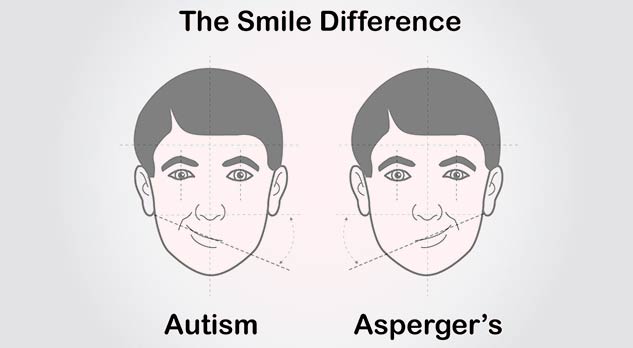
The natural world has long been a sanctuary for those seeking solace, clarity, and connection. For individuals on the autism spectrum, the outdoors can serve as more than just a retreat—it can be a transformative space where sensory experiences harmonize, emotions find balance, and self-expression flourishes. Autism, a neurodevelopmental condition characterized by diverse cognitive and sensory processing styles, often intersects with heightened sensitivity to environmental stimuli. Yet, paradoxically, nature offers a respite where the cacophony of modern life softens into a gentle hum. This article explores how the great outdoors becomes a vital ally for autistic individuals, revealing pathways to peace, creativity, and self-discovery through structured and unstructured encounters with the natural world.
The Sensory Sanctuary: How Nature Soothes the Autistic Nervous System
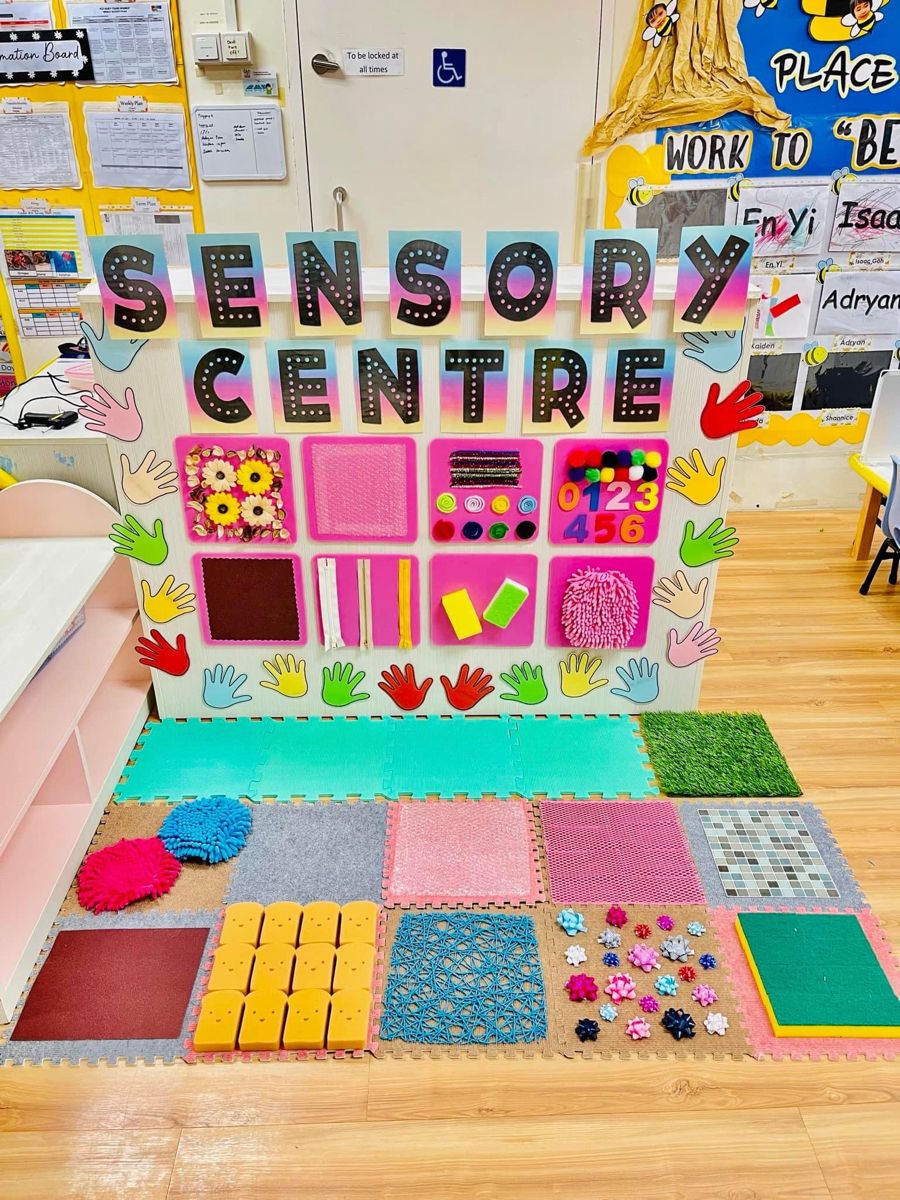
For many autistic people, the sensory landscape of urban environments can feel overwhelming—neon lights flicker like strobes, crowds move in unpredictable waves, and the constant hum of traffic or machinery creates a relentless auditory backdrop. Nature, by contrast, operates on a more predictable rhythm. The rustle of leaves follows the wind’s whims, the scent of pine needles lingers without overpowering, and the visual tapestry of a forest shifts gradually with the seasons. These qualities make natural settings a sensory sanctuary, where the brain can recalibrate without the pressure of filtering out extraneous noise.
Research suggests that exposure to natural environments can reduce cortisol levels—the hormone associated with stress—while simultaneously boosting oxytocin, a chemical linked to bonding and calm. For autistic individuals who may experience sensory overload, even a short walk through a park or a moment of quiet observation by a stream can act as a neurological reset. The tactile experience of soil between fingers, the rhythmic sound of waves, or the warmth of sunlight on skin can ground the mind in the present, offering a rare stillness amid the chaos of daily life.

Moreover, the concept of “soft fascination”—a term used in environmental psychology to describe the gentle, effortless attention that natural settings inspire—is particularly beneficial. Unlike the hyper-stimulating glare of screens or the abrupt transitions of city life, nature invites a slower, more contemplative engagement. This allows autistic minds to process information at their own pace, reducing the mental fatigue that often accompanies social or sensory demands.
Structured vs. Unstructured Exploration: Finding the Right Balance
Not all encounters with nature are created equal, especially for autistic individuals who may thrive on routine or struggle with unpredictability. Structured outdoor activities—such as guided nature walks, birdwatching with checklists, or horticultural therapy sessions—provide a sense of security and purpose. These activities often come with clear expectations, reducing anxiety about what to do or how to engage. For example, a scavenger hunt that encourages participants to find specific leaves, rocks, or insects can transform a walk into a meaningful, goal-oriented experience.
On the other hand, unstructured time in nature allows for the organic unfolding of curiosity. Autistic individuals may discover unexpected passions—tracking animal footprints, collecting unique stones, or sketching intricate patterns in bark—when given the freedom to explore without rigid parameters. The key lies in offering both options: a blend of guided experiences for those who need them and open-ended opportunities for those who crave spontaneity.
It’s also worth noting that the pace of exploration matters. A slow, methodical approach—such as sitting quietly to observe a single tree over time—can be far more rewarding than rushing through a trail. This mindfulness-based engagement aligns with the autistic tendency to focus intensely on specific interests, turning what might seem like a “restricted” focus into a source of deep satisfaction and learning.
Nature as a Canvas for Expression: Art, Writing, and Communication
The outdoors serves as a boundless canvas for autistic creativity, offering a medium that is both tangible and intangible. For those who find verbal communication challenging, nature provides an alternative language. Photography, for instance, allows individuals to capture the nuances of light, color, and texture, distilling complex emotions into visual snapshots. A single photograph of a dewdrop on a spiderweb can convey more about a person’s internal state than words ever could.
Similarly, nature journaling—whether through sketches, written observations, or even digital notes—encourages a dialogue between the observer and the observed. The act of recording details about a bird’s call, the shape of a cloud, or the texture of moss can become a meditative practice, fostering a sense of connection and agency. For non-speaking autistic individuals, these creative outlets can be lifelines, offering a way to articulate experiences that might otherwise go unshared.
Music and soundscapes also play a role in this creative interplay. The symphony of a forest—rustling leaves, chirping birds, distant waterfalls—can inspire compositions or simply serve as a backdrop for rhythmic movement. For some autistic individuals, the predictable patterns in nature’s sounds can be soothing, almost like a lullaby that eases the mind into a state of flow.
The Social Dimension: Nature as a Bridge or a Boundary
While nature is often celebrated as a solitary refuge, it can also serve as a social catalyst for autistic individuals. Group hikes, community gardening projects, or outdoor therapy sessions create opportunities for connection without the pressure of forced eye contact or small talk. The shared focus on a task—planting seeds, building a birdhouse, or navigating a trail—can ease social anxiety by providing a natural conversational anchor.
However, it’s important to recognize that not all autistic people seek social interaction in nature. For some, the outdoors is a space for solitude, where the absence of social expectations allows for true relaxation. The key is to respect individual preferences, offering both communal and solitary options. Nature’s greatest gift may be its versatility—it can be a stage for connection or a quiet corner for introspection, depending on the needs of the moment.
For parents, caregivers, and educators, facilitating these experiences requires sensitivity. Pushing an autistic child to participate in group activities when they’re overwhelmed can backfire, just as isolating them entirely might deny them the chance to explore social bonds in a low-pressure setting. The solution often lies in observation and adaptability, allowing the individual to guide their own level of engagement.
Practical Tips for Incorporating Nature into Daily Life
Integrating nature into an autistic person’s routine doesn’t require grand gestures—small, consistent steps can yield profound benefits. Start with accessible spaces: a balcony garden, a local park bench, or even a windowsill with potted plants. The goal is to create a predictable, low-stress routine that gradually expands as comfort grows.
For those who struggle with transitions, visual schedules can help. A simple chart depicting morning, afternoon, and evening outdoor activities—such as “water the plants,” “sit under the tree,” or “listen to the birds”—provides structure while allowing for flexibility. Sensory-friendly gear, like noise-canceling headphones for crowded areas or weighted blankets for relaxation, can also ease the transition into natural settings.
Seasonal adaptations are equally important. Winter’s crisp air and quiet landscapes can be just as therapeutic as summer’s vibrant greenery, but they require different preparations. Layered clothing, hand warmers, and shorter outings can make cold-weather exploration more manageable. Similarly, spring’s sensory overload—pollen, buzzing insects, sudden warmth—might necessitate gradual exposure, starting with brief visits to less stimulating areas.
Technology can also play a supportive role. Apps that track weather patterns, identify bird calls, or guide mindfulness exercises can enhance outdoor experiences without overwhelming the user. The key is to use these tools as aids, not crutches, ensuring that the primary focus remains on the natural world itself.
The Long-Term Impact: Building Resilience and Connection
The benefits of nature for autistic individuals extend far beyond immediate relaxation. Over time, regular engagement with the outdoors can foster resilience, teaching adaptive coping strategies for stress and change. The natural world, with its cycles of growth, decay, and renewal, mirrors the ebb and flow of life’s challenges, offering a subtle but powerful lesson in patience and acceptance.
Moreover, nature can deepen a person’s sense of belonging—not just to the environment, but to the broader tapestry of life. Observing a spider weave its web or a seed sprout into a sapling can evoke a profound sense of connection to something greater than oneself. For autistic individuals who may feel isolated by societal norms, this connection can be transformative, nurturing a quiet confidence in their place in the world.

As society continues to recognize the importance of neurodiversity, the role of nature in supporting autistic well-being deserves greater attention. From therapeutic programs to simple daily rituals, the outdoors holds the potential to unlock new dimensions of peace, creativity, and self-acceptance. It is not a cure, nor a one-size-fits-all solution, but a vital companion on the journey toward understanding and embracing the unique ways in which autistic minds perceive and interact with the world.
The path to peace in nature is not always a straight one. There will be days when the wind feels too loud, the sunlight too harsh, or the silence too heavy. Yet, within these moments lies the quiet magic of the natural world—its ability to meet each individual exactly where they are, offering solace without judgment. For autistic people, the outdoors is more than a retreat; it is a living, breathing extension of themselves, a place where the chaos of the mind can settle into rhythm, and the heart can find its quietest, most authentic voice.