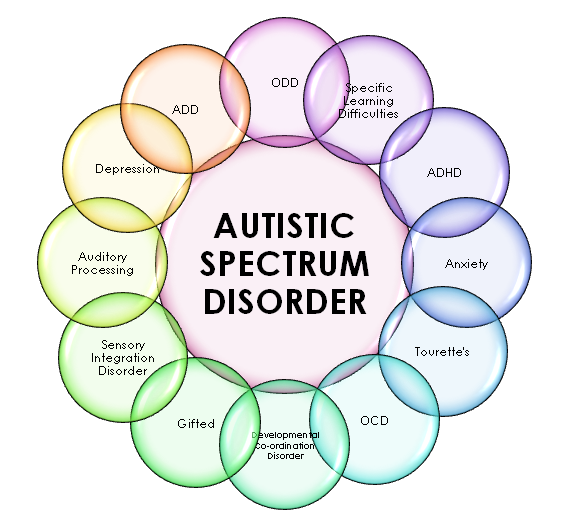
What if the simplest accessories could become the most powerful tools in navigating a world that often feels overwhelming? For individuals on the autism spectrum, sensory experiences can be both a source of fascination and a challenge to endure. The hum of fluorescent lights, the scratch of a wool sweater, or the tightness of a poorly fitted hat might seem trivial to some, but for others, they can feel like an assault on the senses. Enter the world of sensory-friendly accessories—where jewelry whispers calm, hats embrace without restraint, and every piece is designed to harmonize with the unique rhythm of neurodivergent lives.
Imagine stepping into a room where the air itself feels like a thick blanket, pressing in from all sides. The flicker of overhead lights sends jagged pulses through your vision. A hat that digs into your temples or a bracelet that clinks against your wrist could be the final straw in a sensory overload spiral. Now, picture an alternative: a soft, weightless hat that molds to your head like a second skin, or a bracelet that doesn’t just adorn but soothes, its texture a gentle reminder of grounding presence. This is the promise of sensory-friendly accessories—tools that don’t just accessorize but transform the wearer’s experience of the world.
The Alchemy of Sensory Jewelry: Where Comfort Meads Style
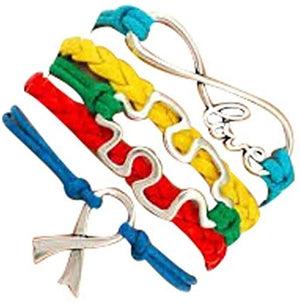
Sensory jewelry is more than a fashion statement; it’s a tactile lifeline. For many autistic individuals, the need for sensory input—or the aversion to it—can dictate daily choices. A paracord bracelet, for instance, isn’t just a piece of jewelry; it’s a portable sanctuary. The rhythmic texture of the cords can provide deep pressure stimulation, a technique known as proprioceptive input, which helps regulate the nervous system. The gentle resistance of pulling the cords or the smoothness of the knots can offer a sense of control in moments of anxiety.
But sensory jewelry isn’t one-size-fits-all. Some may prefer the cool, smooth surface of a metal pendant, its weight a subtle anchor against the chaos of a crowded room. Others might gravitate toward stretchy, silicone-based pieces that can be twisted, pulled, or worn in multiple ways, offering both comfort and versatility. The key lies in the materials: hypoallergenic metals, organic fabrics, and non-toxic dyes ensure that these pieces don’t just feel good but are safe for sensitive skin. Designers who understand this often incorporate adjustable features, allowing the wearer to customize the fit and pressure to their exact needs.

Yet, the challenge remains: how do you balance aesthetics with function? The most effective sensory jewelry blends seamlessly into everyday life, its purpose discreet yet undeniable. A delicate chain might hide a textured bead, or a minimalist ring could double as a fidget tool. The goal isn’t to announce the wearer’s needs but to empower them, allowing the jewelry to serve as a silent ally in a world that often demands too much.
Hats as Havens: Crafting Headwear for the Overstimulated Mind
Hats are more than fashion—they’re fortifications. For those who experience tactile defensiveness, the wrong fabric can feel like sandpaper against their skin. Wool might itch, cotton could cling, and synthetic blends might trap heat, turning a simple accessory into a source of distress. Sensory-friendly hats address this by prioritizing softness, breathability, and adaptability. Think of a knit beanie made from ultra-soft merino wool, its seams carefully placed to avoid irritation. Or a sunhat with a wide brim and a moisture-wicking lining, perfect for those who need shade but dread the feel of sweat against their neck.
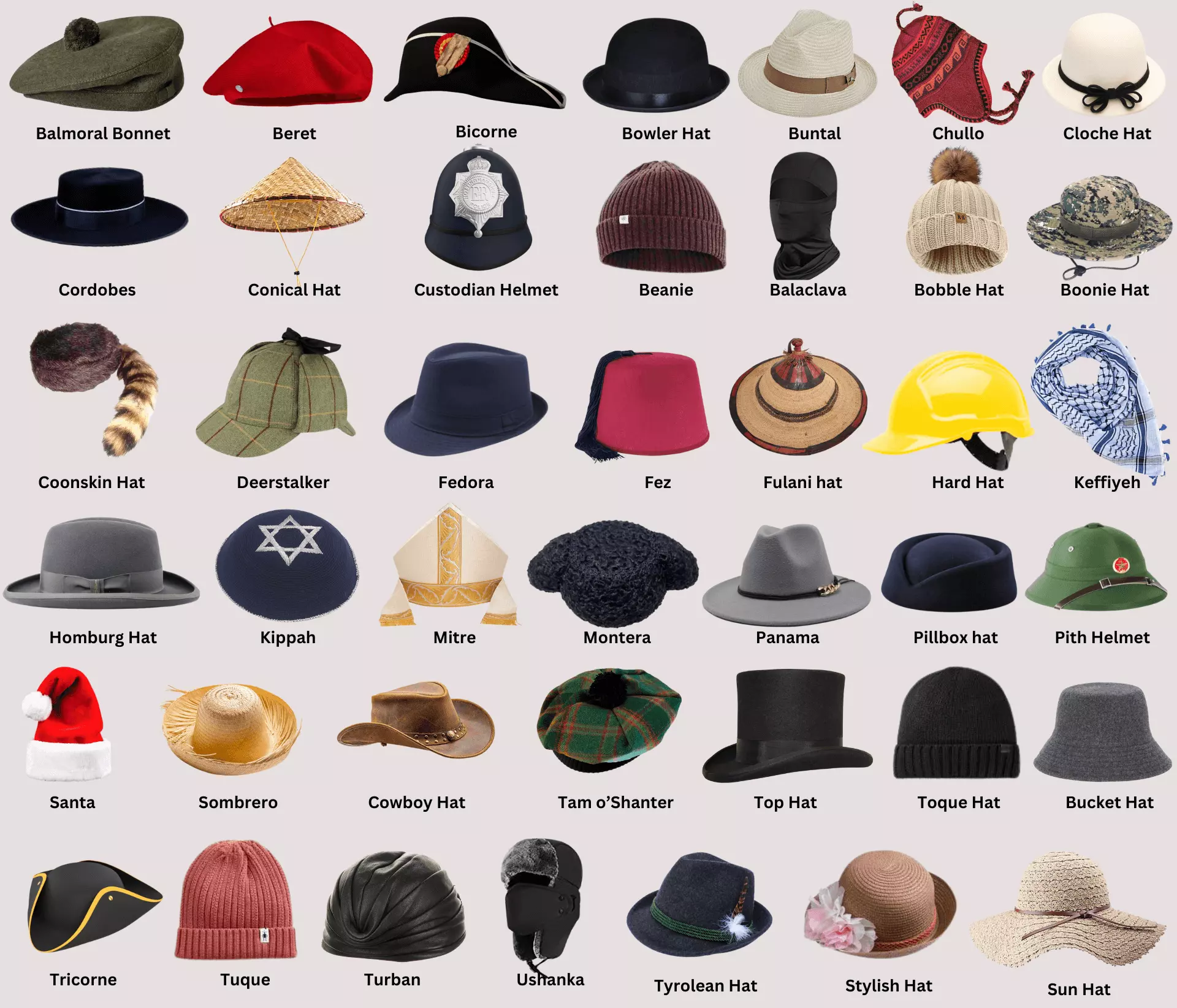
The design of these hats often incorporates innovative features. Adjustable straps ensure a snug fit without constriction, while tagless interiors eliminate the annoyance of dangling labels. Some even include hidden pockets for discreet sensory tools, like a small piece of textured fabric or a smooth stone to hold during moments of overwhelm. The challenge for designers is to create headwear that doesn’t scream “accommodation” but instead whispers comfort, blending into the wearer’s identity rather than defining it.
But the true artistry lies in versatility. A sensory-friendly hat should adapt to the wearer’s environment, whether it’s a cozy indoor space or a bustling outdoor market. Lightweight, foldable designs make it easy to carry when not in use, while reversible options allow for quick changes based on temperature or mood. The best hats don’t just sit on the head—they become an extension of it, a second layer of skin that moves with the wearer, not against them.
Beyond the Basics: Multi-Sensory Accessories for Every Occasion
The world of sensory-friendly accessories extends far beyond jewelry and hats. For those who crave vestibular stimulation
, weighted lap pads or compression vests can provide the deep pressure needed to feel grounded. For the visually overwhelmed, tinted glasses or textured eye masks offer respite from harsh lights and chaotic patterns. Even something as simple as a scarf can become a tool—its weight draped over the shoulders, its fabric a soothing contrast to the day’s sensory onslaught.
Consider the humble fidget ring, a piece of jewelry that doubles as a stress-relief tool. Its smooth, rotating bands can be spun between fingers, offering a tactile outlet for restless energy. Or a necklace with interchangeable pendants, each with a different texture or weight, allowing the wearer to swap out options based on their current needs. These accessories aren’t just decorative; they’re dynamic, evolving with the wearer’s sensory landscape.
The challenge here is accessibility. Not all sensory-friendly accessories are easy to find, and those that are often come with a hefty price tag. This is where the community steps in—DIY solutions, like crocheting a soft hat from hypoallergenic yarn or threading beads onto a stretchy cord for a custom bracelet, empower individuals to create their own tools. Online marketplaces and specialty stores are slowly catching up, offering more inclusive options, but the journey is far from over.
Choosing with Intention: A Guide to Selecting the Right Accessories
Selecting sensory-friendly accessories isn’t a one-size-fits-all endeavor. It requires a deep understanding of the wearer’s specific needs, whether they lean toward seeking sensory input or avoiding it. For those who seek input, accessories with varied textures, weights, or temperatures can be invaluable. Weighted jewelry, for example, can provide the deep pressure that some autistic individuals crave, while cooling fabrics might offer relief for those sensitive to heat.
For those who avoid sensory input, the focus shifts to minimizing triggers. Seamless designs, tagless labels, and hypoallergenic materials are non-negotiable. The goal is to create a sensory buffer, a barrier between the wearer and the overwhelming world. It’s also important to consider the accessory’s versatility—can it be worn in multiple ways? Can it adapt to different environments? A hat that’s perfect for a quiet library might not be ideal for a sunny park, so adaptability is key.
Another critical factor is the wearer’s personal style. Sensory-friendly doesn’t have to mean bland or clinical. Many designers now offer pieces that are both functional and fashionable, from minimalist sensory rings to elegant weighted necklaces. The best accessories blend seamlessly into the wearer’s wardrobe, ensuring they’re not just tolerated but embraced.
The Ripple Effect: How Accessories Empower Autistic Individuals
Beyond the immediate comfort they provide, sensory-friendly accessories can have a profound impact on an individual’s confidence and independence. When a person no longer has to worry about the discomfort of a scratchy tag or the distraction of a loose bracelet, they’re free to focus on what matters—learning, socializing, or simply existing without the constant battle against their environment. These accessories become symbols of autonomy, proof that the world can be adapted to fit their needs, not the other way around.
They also foster a sense of community. When a child wears a sensory-friendly hat to school, it sparks conversations, educates peers, and normalizes neurodivergence. When an adult chooses a weighted necklace over a traditional one, it’s a quiet act of self-advocacy, a reminder that their needs are valid and deserving of consideration. These accessories aren’t just tools; they’re ambassadors, bridging the gap between the autistic community and the world at large.
Yet, the journey isn’t without its hurdles. The stigma surrounding sensory needs can make it difficult for individuals to wear these accessories openly. Some may fear judgment or assume they’re “too much” or “not enough.” This is where education comes in—teaching others about the purpose and benefits of sensory-friendly accessories can dismantle misconceptions and create a more inclusive environment.
The future of sensory-friendly accessories is bright, with designers and innovators continually pushing the boundaries of what’s possible. From smart fabrics that adjust to temperature to 3D-printed jewelry tailored to an individual’s sensory profile, the possibilities are endless. The key is to keep the conversation going, to advocate for accessibility, and to celebrate the small victories—the moment a hat feels like a hug, the instant a bracelet becomes a lifeline.
In a world that often feels designed for the few, sensory-friendly accessories are a rebellion. They’re a declaration that comfort matters, that individuality should be honored, and that style and function aren’t mutually exclusive. They’re proof that with the right tools, anyone can navigate the world with grace, confidence, and a little less sensory chaos.