The journey of caregiving for aging parents is often described as a role reversal, a poignant shift where the child becomes the caretaker, the nurturer, the decision-maker. For parents with autism, this transition can be even more complex, layered with unique challenges and unexpected rewards. Autism, a lifelong neurodevelopmental condition, shapes how individuals perceive the world, communicate, and interact with others. As these parents age, their needs evolve, and the caregiving dynamic transforms into something both familiar and foreign. This article explores the multifaceted nature of caregiving for aging parents with autism, delving into the emotional, practical, and societal dimensions of this role reversal.
Caregiving is not a monolithic experience; it is a tapestry woven from countless threads of patience, resilience, and adaptability. When autism enters the equation, the threads take on new textures and hues. Parents with autism may have spent decades developing coping mechanisms, routines, and systems to navigate a world that often feels overwhelming. As they age, these systems may falter, leaving them vulnerable to sensory overload, social isolation, or even cognitive decline. The child-turned-caregiver must now decipher these unspoken needs, balancing respect for their parent’s autonomy with the necessity of providing support. This delicate dance requires a deep understanding of autism, not just as a clinical diagnosis, but as a fundamental aspect of their parent’s identity.
The Emotional Landscape of Caregiving: Grief, Guilt, and Unconditional Love
Caregiving for an aging parent with autism is an emotional odyssey, one that traverses the peaks of profound love and the valleys of grief and guilt. The role reversal can evoke a sense of mourning for the parent they once knew—the vibrant, independent figure who may now require assistance with even the most basic tasks. This grief is not linear; it resurfaces in waves, triggered by moments of clarity, frustration, or unexpected tenderness. Guilt, too, can be a persistent companion, whispering doubts about whether they are doing enough, whether they are failing their parent in ways they never anticipated.
Yet, within this emotional tumult lies an unshakable foundation of love. Caregivers often discover reservoirs of patience and compassion they never knew they possessed. They learn to communicate in ways that transcend words, recognizing the subtle cues—aversion to eye contact, repetitive movements, or sudden withdrawal—that signal their parent’s discomfort or distress. This emotional labor is both exhausting and enriching, a testament to the resilience of the human spirit. It is a love that does not waver, even when the caregiving journey feels endless.
Practical Challenges: Navigating Systems, Sensory Needs, and Routine Disruptions
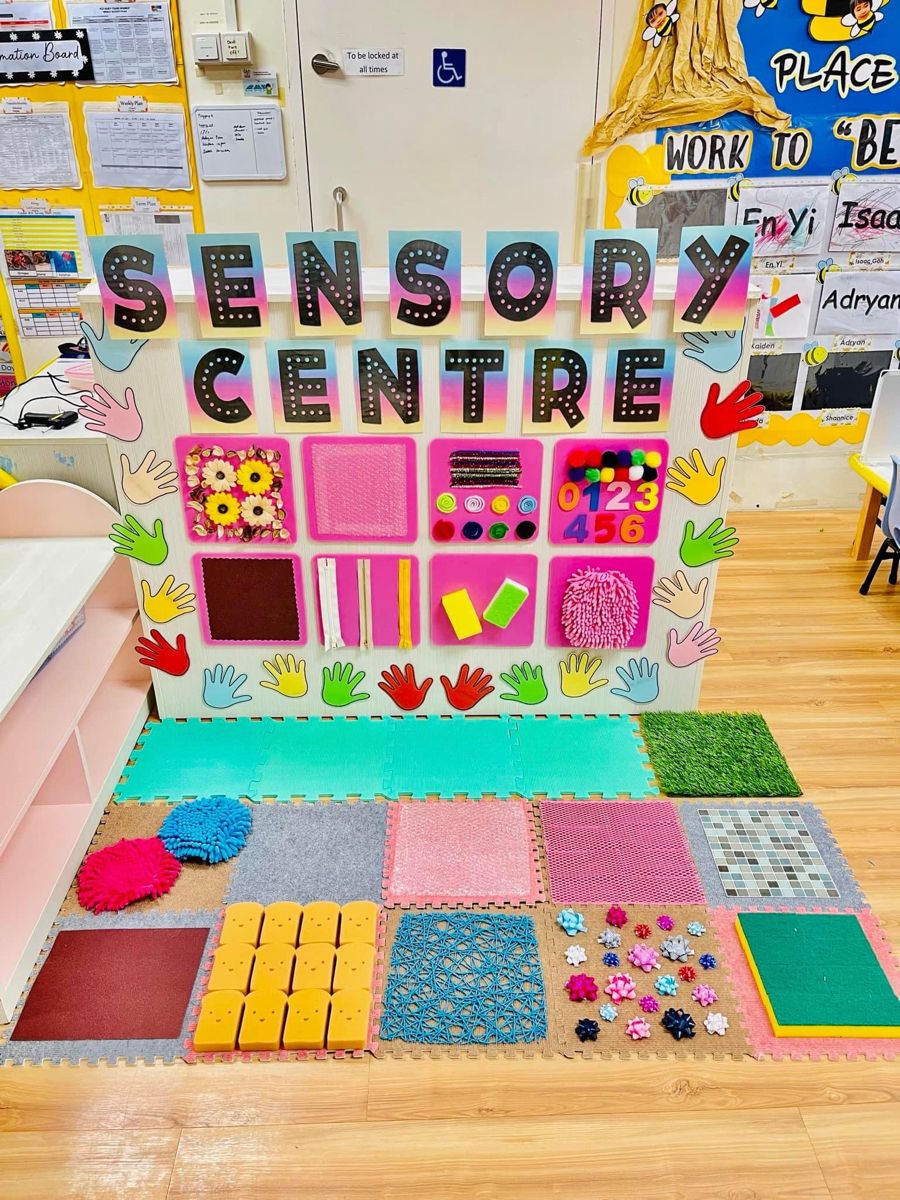
The practicalities of caregiving for an aging parent with autism are as varied as the individuals themselves. Sensory sensitivities, a hallmark of autism, can become more pronounced with age, turning mundane environments into minefields of overstimulation. A fluorescent-lit grocery store, the hum of a refrigerator, or even the texture of certain fabrics may trigger distress. Caregivers must become adept at creating sensory-friendly spaces, whether by dimming lights, minimizing noise, or providing noise-canceling headphones. These adjustments are not just about comfort; they are about preserving their parent’s sense of safety and control in a world that often feels chaotic.
Routine disruptions, another common challenge, can be particularly destabilizing. Aging parents with autism may rely on rigid daily schedules to manage anxiety and maintain a sense of predictability. A sudden change in medication, a canceled appointment, or even a delayed meal can unravel their equilibrium. Caregivers must strike a balance between accommodating these needs and introducing flexibility where necessary. This often involves meticulous planning, from meal prepping to scheduling outings during off-peak hours to avoid sensory overload. It is a juggling act, one that demands both creativity and foresight.
Navigating healthcare systems presents another layer of complexity. Autism is not always well-understood by medical professionals, leading to misdiagnoses, dismissive attitudes, or inadequate care. Caregivers may need to advocate fiercely for their parent’s needs, ensuring that healthcare providers are aware of their autism and the ways it influences their aging process. This could mean requesting accommodations during appointments, such as longer wait times or sensory-friendly examination rooms. It could also involve educating doctors about the nuances of autism, a task that requires both diplomacy and determination.

Communication: The Art of Understanding Without Words
Communication with an aging parent with autism is less about spoken language and more about attunement. Verbal exchanges may be limited, leaving caregivers to rely on body language, facial expressions, and behavioral cues to gauge their parent’s needs and emotions. This form of communication is not intuitive; it requires patience, observation, and a willingness to listen without the expectation of immediate understanding. Caregivers often develop a sixth sense for interpreting their parent’s signals, whether it’s a clenched jaw indicating stress or a soft hum suggesting contentment.
Nonverbal communication extends beyond physical cues to include the environment itself. A caregiver might notice that their parent is more at ease in a clutter-free room or that certain colors or textures evoke calm. These observations are not trivial; they are the building blocks of a communication system that transcends words. It is a form of dialogue that is both ancient and profoundly human, a reminder that connection does not always require language.
The Social Stigma: Breaking Down Barriers and Building Support
Society’s understanding of autism is still evolving, and aging adults with autism often face a double stigma—one tied to their neurodivergence and another to their age. Caregivers may encounter skepticism or even outright dismissal when discussing their parent’s needs, particularly in settings where autism is stereotypically associated with childhood. This stigma can be isolating, leaving caregivers to navigate their journey without the support they deserve. Breaking down these barriers requires advocacy, both for their parent and for themselves.
Building a support network is essential. This could include connecting with other caregivers of aging adults with autism, joining online communities, or seeking out professionals who specialize in neurodiversity and aging. Support groups, whether in-person or virtual, offer a safe space to share experiences, exchange advice, and find solace in the knowledge that they are not alone. Caregivers must also challenge societal perceptions, educating friends, family, and even strangers about the realities of autism in adulthood. It is a slow process, but one that can foster greater understanding and acceptance.
Self-Care: The Forgotten Pillar of Caregiving
Amid the demands of caregiving, self-care often becomes an afterthought, a luxury that feels unattainable. Yet, it is the cornerstone of sustainable caregiving. Without it, caregivers risk burnout, resentment, and even physical illness. Self-care is not synonymous with indulgence; it is about preserving one’s own well-being so that they can continue to provide care without depleting themselves. This could mean carving out even ten minutes a day for meditation, exercise, or a quiet cup of tea. It could mean seeking therapy or counseling to process the emotional weight of the role. It could mean asking for help, whether from siblings, friends, or professional respite care providers.
Caregivers must also recognize the signs of burnout before they escalate. Chronic fatigue, irritability, or a sense of detachment are red flags that cannot be ignored. Prioritizing self-care is not selfish; it is an act of love—for oneself and for the parent who depends on them. It is a reminder that caregiving is a marathon, not a sprint, and that pacing oneself is not a sign of weakness but of wisdom.
The Rewards: Finding Meaning in the Unlikeliest of Places
Despite the challenges, caregiving for an aging parent with autism is not devoid of rewards. There is a profound beauty in witnessing the resilience of a parent who has navigated a lifetime of obstacles with quiet dignity. There is joy in discovering the small, unexpected moments of connection—whether it’s a shared laugh over a favorite song or a silent understanding that transcends words. Caregivers often find that their role deepens their capacity for empathy, patience, and unconditional love in ways they never imagined.
There is also a unique privilege in being the one who understands their parent’s needs on a level that others cannot. This understanding fosters a bond that is both tender and unbreakable. It is a relationship that evolves with time, shaped by shared experiences and mutual growth. In the twilight years of life, caregivers and their parents often find a new kind of companionship, one that is stripped of pretenses and rooted in authenticity.
The role reversal inherent in caregiving is not just a shift in responsibilities; it is a transformation of the heart. For those caring for aging parents with autism, this journey is a testament to the power of love in its purest form. It is a path fraught with challenges, but also illuminated by moments of profound connection and meaning. As caregivers navigate this terrain, they are not just providing care—they are weaving a legacy of compassion, resilience, and unwavering devotion.