
Autism is often described as a tapestry woven with threads both intricate and vibrant, a spectrum rather than a single thread in the fabric of human neurodiversity. To unravel what autism truly signifies, one must appreciate its multifaceted dimensions—cognitive, emotional, sensory, and social—that collectively compose its unique pattern. It is within this interplay that autism reveals its profound depth and broad appeal, challenging societal norms and inviting a richer understanding of human experience.
The Spectrum: A Prism of Infinite Hues
Autism is not a monolithic condition but rather a spectrum—an ever-expanding prism through which countless unique human experiences refract. Each individual lies at a distinct point along this continuum, where degrees of social interaction, communication, and sensory processing vary widely. This spectrum perception transforms autism from a singular diagnosis to a kaleidoscope of identities. Some may exhibit heightened sensory sensitivities, while others possess extraordinary abilities in pattern recognition or memory. Thus, autism resists reductive definitions, instead embracing diversity as its core principle.

Neurological Architecture: The Brain’s Unique Blueprint
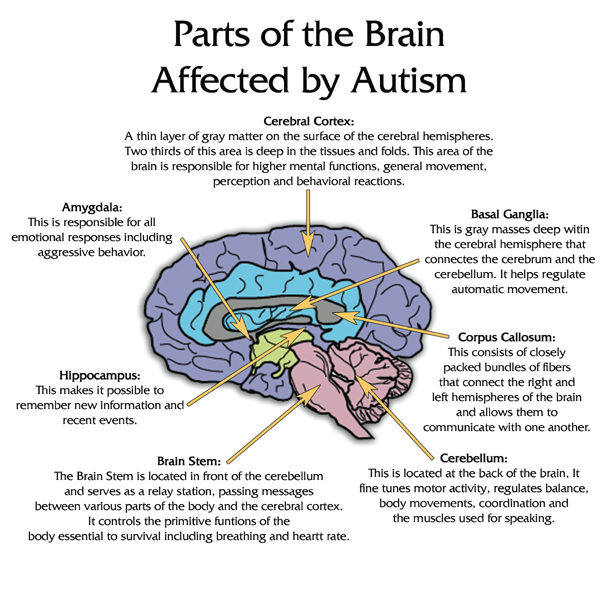
At its essence, autism is a manifestation of neurological architecture that differs from typical development. This divergence shapes how information is received, processed, and responded to. Imagine the brain as an elaborate circuit board, where the wiring subtly shifts pathways, influencing cognition and perception. Neuroimaging studies reveal alterations in connectivity patterns—both hyperconnectivity and hypoconnectivity—in regions associated with social cognition, language, and executive functioning.
This brain “blueprint” crafts not deficits but distinctive cognitive landscapes. Many autistic individuals exhibit intense focus or an affinity toward specialized interests, which mirror underlying neural specializations. To comprehend autism, one must shift from a deficit-oriented view to one that recognizes a different but equally valid mode of thinking and relating to the world.
Communication: Beyond Words
Communication in autism transcends conventional paradigms, offering alternatives to spoken language through gestures, expressions, or technology-assisted means. For some, language unfolds in unique patterns, with nuances that reveal profound internal logic and emotion. Others employ visual thinking as a primary mode—where images and symbols carry more meaning than words alone.
This alternative discourse challenges assumptions about normalcy in interaction. It calls for adaptive listening and responsive methods that honor diverse ways of expression. By tuning into these subtle syntaxes, communicative bridges emerge that foster genuine connection and understanding, redefining the fabric of social exchange.
Sensory Experiences: A Symphony of Intensities
The sensory world of an autistic individual often unfolds as a symphony, oscillating between extremes—sometimes amplified, at other times diminished. Everyday stimuli—sounds, textures, lights—may evoke intense reactions or a profound sense of calm when filtered through repetitive rituals or interests. This heightened sensory awareness can be a source of both challenge and wonder.

Recognizing these sensory nuances is critical for crafting environments that nurture well-being and comfort. It illuminates the need for sensitivity and accommodation, allowing individuals to thrive without sensory overload or isolation.
Social Interaction: Reimagining Connection
Sociality within autism is often portrayed as a challenge, yet it may be more accurately seen as a divergent approach to connection rather than a lack thereof. Autistic individuals may prioritize literal communication, value depth over breadth in relationships, or engage in social rituals distinct from neurotypical norms.
Rather than perceiving these differences as deficits, it is illuminating to regard them as alternative social scripts. When society adapts to embrace varying modalities of engagement, a richer cultural tapestry emerges—where inclusivity fosters empathy and broadens collective horizons.
The Unique Appeal: Strengths and Contributions
Autism carries within it a reservoir of strengths often overshadowed by challenges. Exceptional attention to detail, innovative problem-solving, and unwavering dedication to subjects of interest characterize many autistic individuals. These qualities have propelled advancements across disciplines such as technology, art, science, and beyond.
Celebrating these attributes helps dismantle stigma and underscores the invaluable contributions of neurodiversity to society. Each autistic voice enriches the collective narrative, expanding what it means to live, learn, and create.
Conclusion: Embracing the Tapestry
Autism is a kaleidoscopic spectrum that invites us to reimagine human experience through the lens of neurodiversity. It challenges conventional binaries of ability and limitation, normality and difference, illuminating instead a rich tapestry woven with unique threads of perception, communication, and connection. By embracing these multifarious dimensions, society not only affirms the dignity and worth of autistic individuals but also learns to value the diverse symphony of minds that comprise our shared world.












