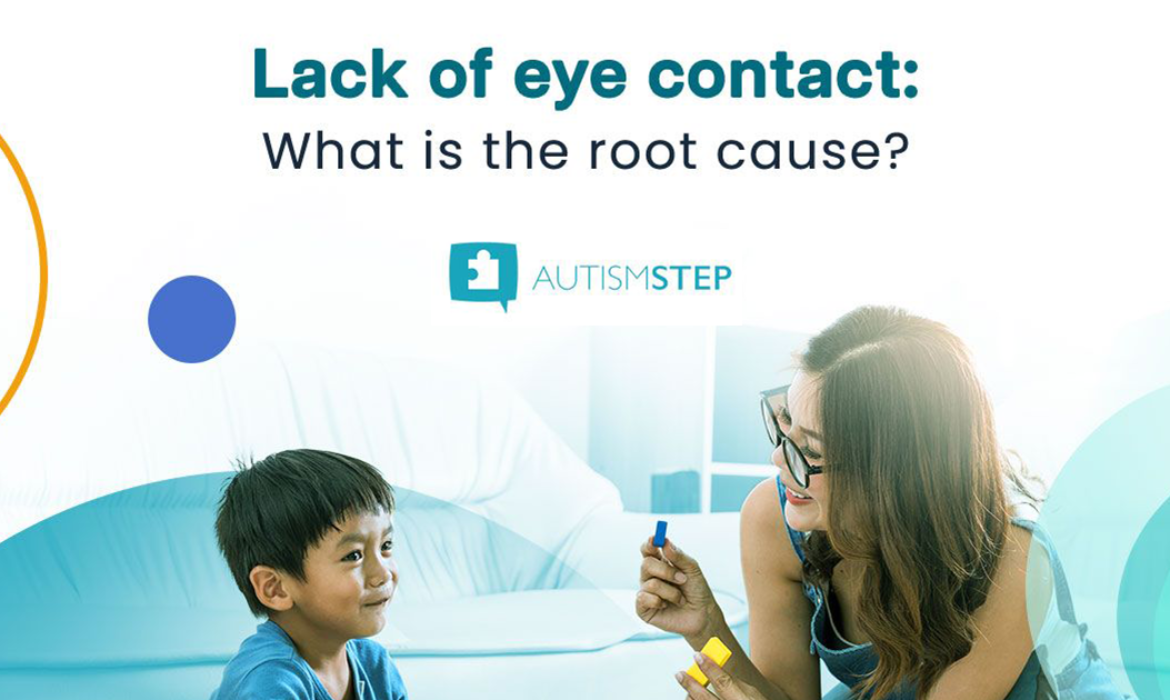
The act of making eye contact is often perceived as a fundamental aspect of human interaction, a seemingly simple gesture that binds conversations, conveys emotions, and fosters connection. Yet, for many autistic individuals, this seemingly effortless social ritual is fraught with complexity and discomfort. Why does something so universally emphasized present such an enigmatic challenge? The answer demands not only an understanding of the neurodivergent experience but also a profound shift in how society interprets and responds to these unique social dynamics.
The Neurological Underpinnings of Eye Contact Challenges
Eye contact is not merely a social expectation; it is a neurological ballet involving multiple regions of the brain. In autistic individuals, this choreography often takes a divergent path. Research indicates atypical activation in areas such as the amygdala, which regulates emotions, and the fusiform gyrus, a region critical for facial recognition. This neural divergence can render direct gaze overwhelming or even distressing. Rather than a simple aversion, it is a protective response to sensory overload, where the intensity of perceived stimuli can trigger anxiety or a shutdown response.
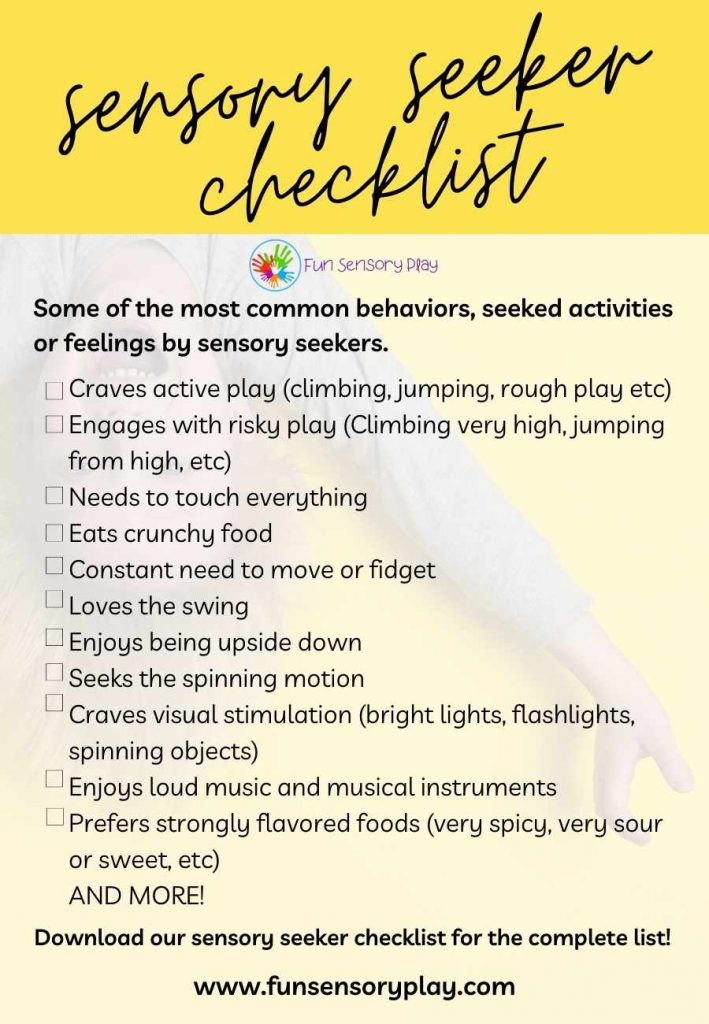
Moreover, the sensory processing differences inherent in autism contribute substantially to this phenomenon. The eyes, powerful conveyors of information, become a flooding conduit of visual data that autistic brains may find difficult to parse efficiently. This hyper- or hypo-sensitivity to sensory inputs can make eye contact not just uncomfortable but neurologically taxing, creating a barrier between intention and execution in social interactions.
Emotional and Social Dimensions: Beyond the Gaze
Eye contact is often seen as a barometer of emotional engagement and honesty. Yet, autistic individuals may experience emotions and social cues through an alternate lens. The meaning traditionally ascribed to direct gaze—such as trustworthiness or attentiveness—might not translate the same way neurologically or experientially. The fear of misinterpretation can heighten an already present hesitation, perpetuating a cycle of avoidance.
Additionally, the intricate dance of nonverbal communication, of which eye contact is a pivotal part, may not hold the same communicative weight for many on the autism spectrum. Social conventions that dictate eye contact vary widely, and the conventional expectation to maintain gaze may conflict with an autistic person’s natural communicative style. This disconnect is often mistaken for disinterest or evasiveness, which adds a layer of social misunderstanding that can exacerbate feelings of isolation.
The Cultural and Societal Constructs Surrounding Eye Contact
A profound shift in perception requires acknowledging that eye contact is deeply cultural. It is a learned social norm, not a universal imperative. In many cultures, prolonged eye contact can be considered rude, confrontational, or invasive. Yet, Western social norms elevate it as synonymous with confidence and sincerity. This cultural bias often marginalizes the autistic experience, framing eye contact difficulties as deficits rather than diversity in communication.
In educational and occupational settings, the insistence on eye contact as an indicator of engagement or compliance can inadvertently stigmatize those who naturally struggle with it. This emphasis risks overshadowing other equally valid expressions of attention and empathy. A broadened perspective encourages educators, employers, and peers to look beyond the gaze and appreciate a more nuanced tapestry of social cues.
Strategies and Supports: Reimagining Engagement
Understanding the roots of eye contact challenges opens pathways to more compassionate and effective support strategies. Encouragement rather than enforcement is key. Instead of mandating eye contact, creating environments where autistic individuals can engage in ways aligned with their comfort fosters genuine connection.
Technological aids, such as virtual reality training or video modeling, can provide safe spaces for practicing social cues at a personalized pace. Therapies focusing on body language and context recognition complement this approach, prioritizing emotional well-being over rote performance. Importantly, these strategies emphasize choice, empowering autistic individuals to navigate social interactions without undue pressure.

Redefining the Narrative: Embracing Neurodiversity
The growing neurodiversity movement challenges long-held assumptions about social norms, advocating for the acceptance of different communication styles. Eye contact difficulty should not be interpreted as a failure to connect but as an alternative mode of engagement. This paradigm encourages a recalibration of empathy, where the onus shifts from compelling conformity to fostering understanding.
By reimagining social interactions through this lens, we pave the way for richer, more inclusive experiences. This shift not only benefits autistic individuals but enriches society as a whole, broadening definitions of connection and authenticity.

In conclusion, the struggle with eye contact among autistic people illuminates much more than a social quirk; it reveals the intricate interplay of biology, psychology, and culture. Moving beyond simplistic interpretations requires curiosity, patience, and a willingness to embrace complexity. When we relinquish the narrow confines of conventional expectations, we open doors to deeper connection, affirming that meaningful communication transcends the gaze. The invitation is clear: to see not just with our eyes but with a broader, more compassionate vision of human connection.