
Creating a calm-down kit for autistic children is a thoughtful endeavor aimed at providing efficient strategies for emotional regulation during moments of sensory overload, stress, or heightened anxiety. Such kits offer personalized resources that empower children to regain control, fostering independence and self-awareness. The following guide explores the essential components, practical steps, and key considerations for assembling a calm-down kit that is both functional and comforting for autistic children.
Understanding the Purpose of a Calm-Down Kit
A calm-down kit serves as a portable sanctuary—a curated selection of tools and activities designed to help mitigate overwhelming sensations and emotions. For autistic children, sensory sensitivities and difficulties with communication can complicate their ability to express distress. The kit, therefore, becomes a bridge to self-soothing and managing reactions effectively. Recognizing that each child’s needs are unique is fundamental; the kit should be customized, evaluating what elicits calm and what may inadvertently trigger discomfort.
Choosing an Appropriate Container
The physical container for the kit is more than a mere storage space; it should be accessible, visually appealing, and manageable in size to prevent exacerbating clutter-induced stress. Options range from small backpacks to clear plastic boxes. Durability and ease of opening are vital considerations. For some children, a visually transparent container helps in knowing exactly where to find items, while others may prefer opaque compartments for surprise or to reduce visual stimuli.

Incorporating Sensory Tools
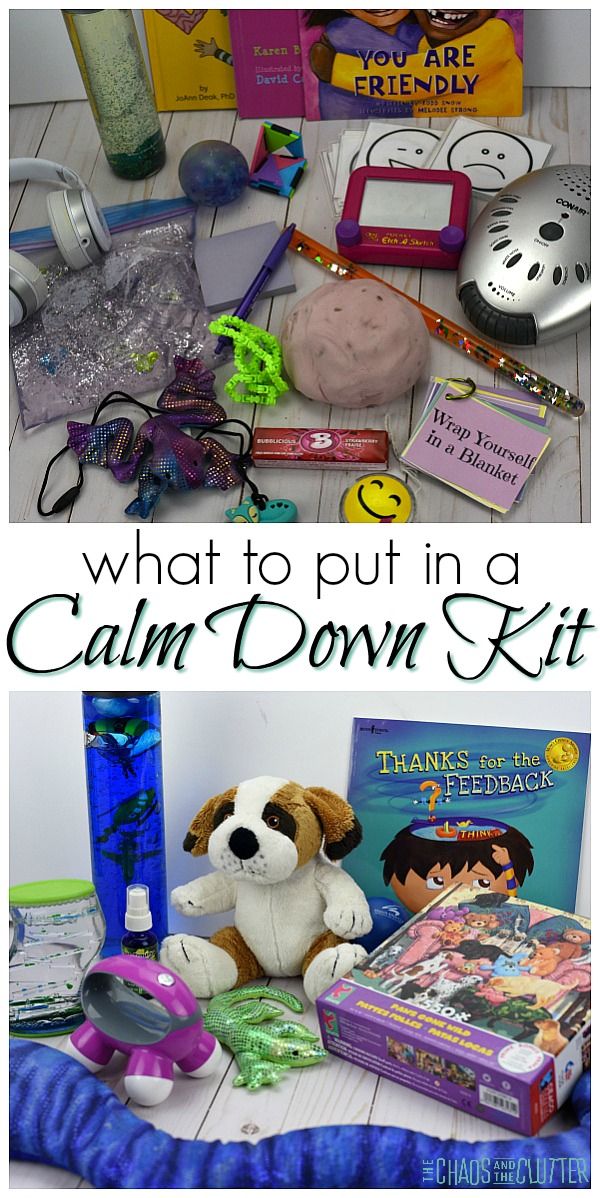
One of the cornerstones of a calm-down kit lies in sensory integration. Incorporating tactile and proprioceptive items can greatly aid in grounding an autistic child during distress. Soft fidget toys like stress balls, textured fabrics such as velvet or minky, and putty or slime provide tactile input that can redirect nervous energy. Weighted items, like small lap pads or blankets, offer deep pressure stimulation, often promoting relaxation through proprioceptive feedback.
Visual aids also play a pivotal role. Liquid motion bubblers, calming glitter jars, or light-up toys can capture and focus attention, creating a mesmerizing effect that helps slow down racing thoughts. Importantly, one should consider the child’s sensory preferences—some may find certain lights overwhelming or certain textures aversive, so experimentation and observation are necessary to curate effective materials.
The Role of Visual Supports and Social Stories
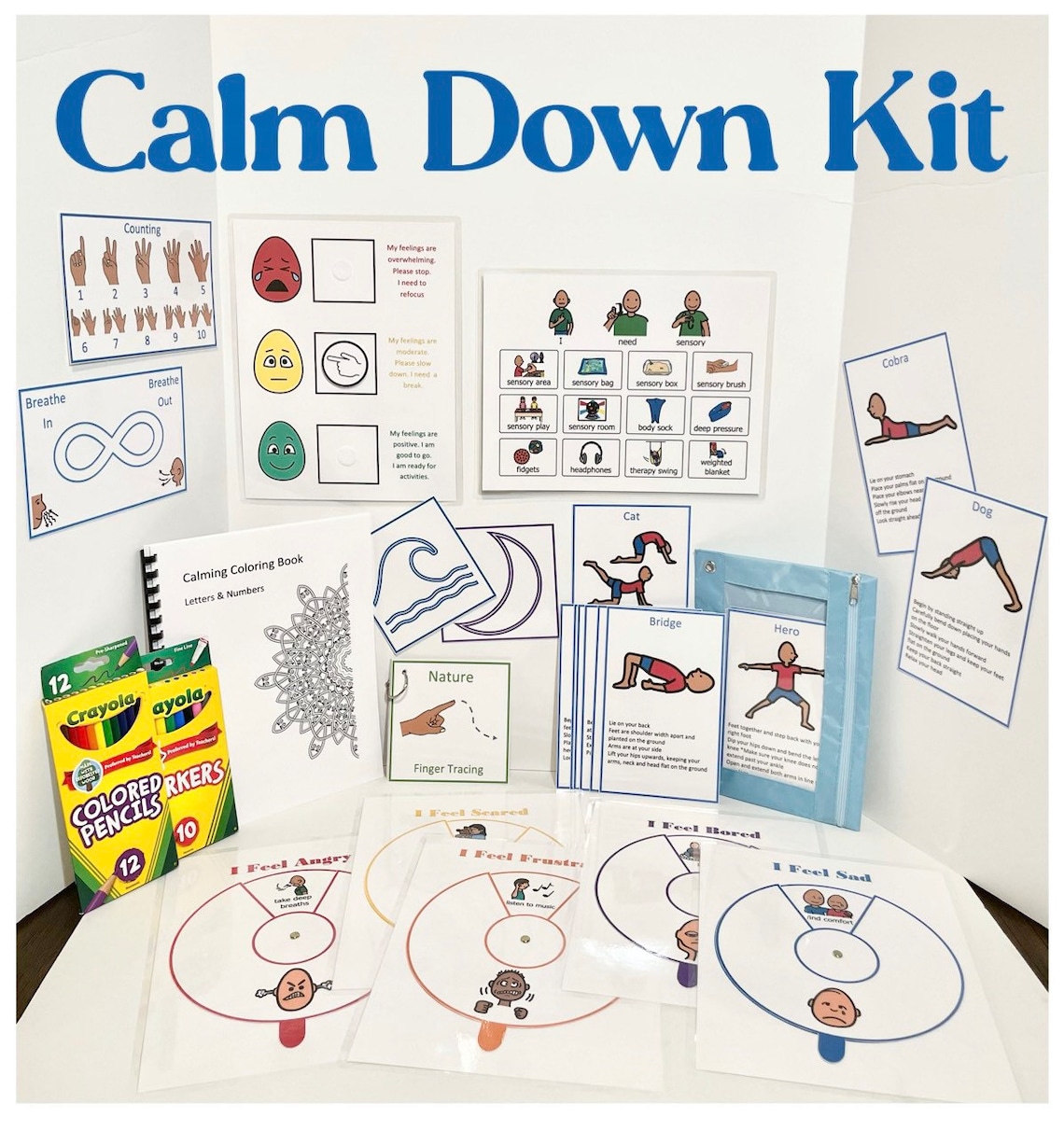
Visual supports illuminate pathways to understanding and managing emotions, bridging gaps in communication. Including laminated emotion charts or “calm-down steps” cards can prompt self-regulation by clarifying how to recognize feelings and actionable calming techniques. These tools serve as gentle reminders, fostering autonomy without overwhelming cognitive processing.
Social stories tailored to the child’s experiences can also be incorporated. These narrative-based tools describe scenarios that might provoke anxiety or sensory overload while outlining coping strategies. When printed or available digitally within the kit, they offer reassurance and repetitive reinforcement for navigating challenging moments.
Quiet Activities to Occupy the Mind
Activities that focus the mind on gentle, engrossing tasks can be invaluable in the calm-down process. Simple puzzles, matching games, or coloring pages with weighted or broad crayons reduce fine motor stress and support mindfulness. Select items that do not require verbal instructions to maximize accessibility.
Books with calming narratives or audio stories downloaded onto a device can further anchor a child’s focus. Audiobooks with soothing voices or instrumental music playlists featuring nature sounds also provide auditory sensory input that might help regulate emotions.
Personal Comfort Items
Personalization enhances the efficacy of a calm-down kit. Including a favorite stuffed animal, a soft scarf, or a familiar blanket can invoke a sense of security and familiarity. Familiar scents, such as a lavender-scented sachet, can be added if aromatherapy is appropriate and not overwhelming, offering olfactory sensations known to induce calm.
It is essential to respect individual sensitivities—some children with autism might find certain textures or scents unsettling rather than calming—so choices should be guided by the child’s preferences.
Teaching and Practicing Use of the Kit
Assembling the kit is only half the process; teaching the child how and when to use it is equally critical. Caregivers and educators can model the use, demonstrating techniques like deep breathing alongside fidgeting or flipping through visual supports. Consistent practice in low-stress situations helps ensure the child can effectively self-regulate when needed.
Incorporating the calm-down kit into daily routines makes it less stigmatizing and more accessible. Encouragement without pressure invites the child to employ the tools as needed, offering a sense of control and confidence during challenging episodes.
Maintenance and Adaptation Over Time
The needs of an autistic child may evolve over time, as will their responses to various calming strategies. Regular review and adaptation of the kit are necessary to maintain relevance and effectiveness. Items that no longer serve their purpose should be replaced or removed, while new tools can be trialed to better fit emerging preferences.
Keeping the kit clean, organized, and replenished ensures readiness at any moment. Additionally, involving the child in curating and updating the kit fosters empowerment and ensures ongoing suitability.

Conclusion
The creation of a calm-down kit for autistic children transcends simple assembly; it is a compassionate intervention rooted in understanding, patience, and respect for individual sensory and emotional needs. By thoughtfully selecting and continually refining sensory tools, visual supports, comforting objects, and engaging activities within an accessible container, caregivers can empower children to navigate moments of distress with greater autonomy and calm. Encouraging practice and flexibility fosters a dynamic kit that evolves alongside the child, ensuring it remains a valuable ally on their journey to emotional balance and well-being.












