Physical therapy for autism is more than just a clinical intervention; it is an evolving paradigm that promises a transformative shift in how we perceive motor development within the neurodiverse community. Autism Spectrum Disorder (ASD), often discussed in terms of social and communicative challenges, harbors an underexplored facet that demands urgent attention—motor skills and sensory-motor integration. As the understanding of autism deepens, so does the recognition of how critical physical therapy can be in enhancing the quality of life for individuals on the spectrum. This exploration ventures beyond conventional clinical assessments, inviting curiosity into the untapped potential where movement and sensory experience converge to foster autonomy and confidence.
The Intersection of Autism and Motor Development
The complexities of motor function in individuals with autism extend beyond mere coordination difficulties. Research illuminates a constellation of motor impairments—ranging from gross and fine motor delays to postural instability and praxis challenges (the ability to plan and execute coordinated movements). These impairments are not peripheral but often intrinsic to the sensory processing variations found in autism. The underlying neurology disrupts the seamless integration of sensory inputs necessary for fluid motor performance, thereby affecting everyday tasks such as walking, grasping, and balance.
Understanding this neuro-motor nexus is crucial. It elucidates why traditional approaches may fall short and why physical therapy tailored to sensory-motor integration represents an indispensable avenue. This framework offers a holistic approach that addresses both the sensory gateways and motor outcomes, fostering not just movement, but purposeful and adaptive motor behaviors.
Physical Therapy: A Catalyst for Motor Skill Enhancement
Physical therapy, within the context of autism, is a multifaceted discipline designed to enhance strength, coordination, balance, and proprioception—the body’s innate sense of position and movement. The therapeutic process is highly individualized, taking into account each person’s unique motor profile and sensory preferences. It promises more than improvement in isolated skills; it aspires to cultivate functional independence and corporeal confidence.
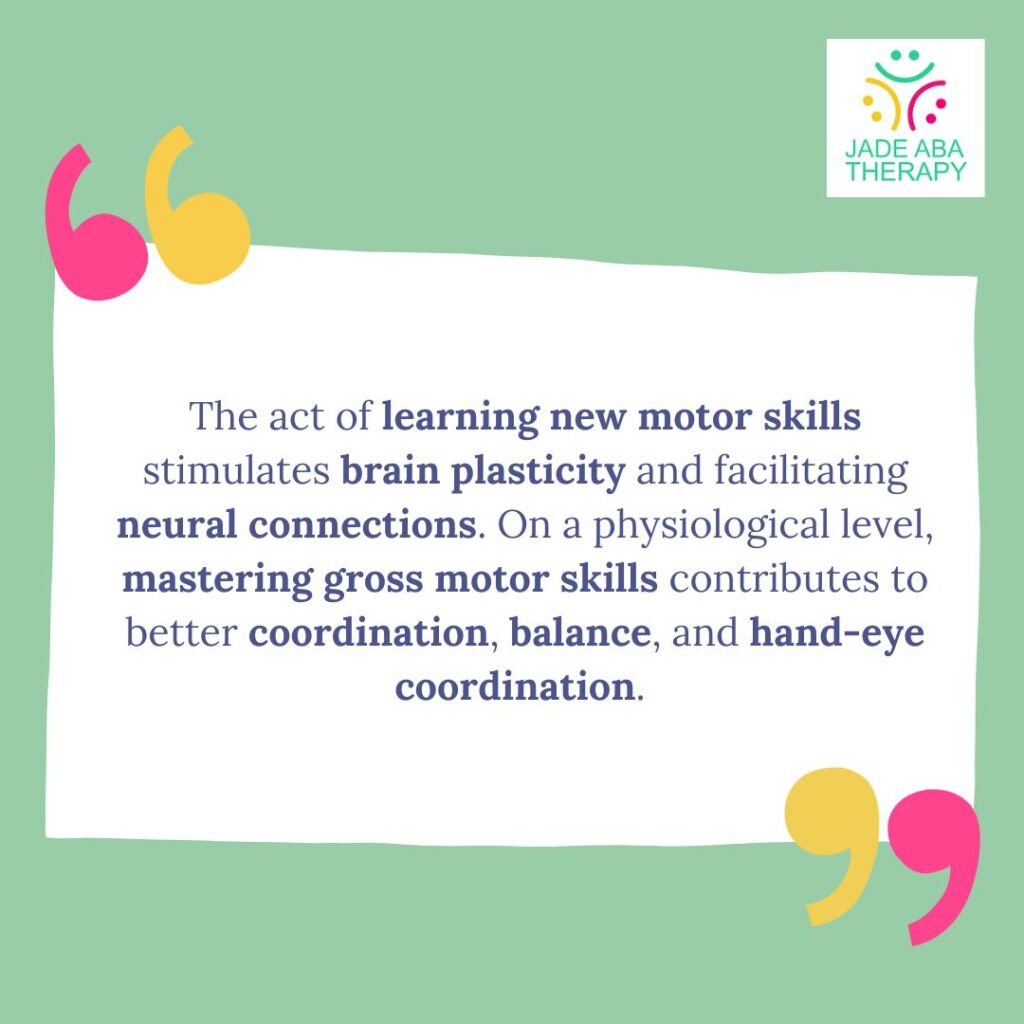
Therapists employ a myriad of techniques, including neurodevelopmental treatment, sensory integration strategies, and targeted exercises that emphasize motor planning and bilateral coordination. These interventions are strategically sequenced to engage neural plasticity, encouraging the brain’s ability to rewire and form new synaptic connections through repetitive, purposeful movement. Such neuroplastic adaptations are the cornerstone of sustained motor improvements.
Bridging Sensory Integration and Movement
At the core of physical therapy for autism lies the intricate interplay between sensory processing and motor execution. Many individuals on the spectrum experience heightened or diminished sensitivities to stimuli such as touch, vestibular input (balance and spatial orientation), and proprioceptive feedback. These sensory disparities can inhibit smooth motor function, resulting in clumsiness, fatigue, or avoidance of physical activities.

Physical therapy seeks to recalibrate the sensory systems through guided exposure and controlled sensory experiences designed to normalize processing. Techniques might include balance exercises on unstable surfaces, rhythmic movements, or textured tactile play—all carefully administered to desensitize or enhance sensory receptivity. The goal is to weave sensory stimuli into motor learning, ensuring that individuals are not only moving better but sensing better, creating a virtuous cycle of development.
Functional Implications and Everyday Benefits
The reverberations of improved motor skills extend deeply into daily living. Enhanced balance reduces the risk of falls and injuries, while better motor coordination supports self-care tasks such as dressing, feeding, and writing. Social participation also flourishes; children and adults with improved physical capabilities can engage more confidently in playground activities, sports, and community events, fostering social inclusion and emotional well-being.
Moreover, physical therapy interventions often facilitate improvements in attention and behavior. The regulation of sensory input through movement can mitigate anxiety and hyperactivity—common co-occurring challenges in autism—thus indirectly promoting cognitive and social learning.
Looking Forward: Emerging Trends and the Future of Therapy
The horizon of physical therapy for autism is brightening with technological advances and integrative methodologies. Virtual reality, robotics, and wearable sensors are being explored as innovative tools to augment traditional therapy, providing real-time feedback and enhancing motivation through gamified experiences. These technologies hold the promise of personalizing therapy goals and tracking progress with unprecedented precision.
Concurrently, interdisciplinary collaboration between physical therapists, occupational therapists, speech-language pathologists, and neurologists is becoming increasingly central. A comprehensive therapeutic ecosystem that addresses the full breadth of sensory, motor, cognitive, and social challenges is key to unlocking the true potential of each individual.
The promise embedded in physical therapy for autism is not simply about correcting deficits—it is about embracing a holistic vision that honors neurodiversity and empowers motor mastery. This transformative approach challenges preconceived notions of ability and disability, inviting caregivers, professionals, and society to rethink what is possible when movement is understood as a fundamental language of human expression and connection.