In the realm of autism, sensory seeking behaviors emerge as a distinctive and compelling phenomenon, captivating both families and professionals alike. These behaviors—marked by an intense drive to engage with sensory stimuli—are often observed as repetitive motions, touch exploration, or an insatiable need for particular textures or sounds. At first glance, these actions might appear mere curiosities or even disruptions. Yet, beneath the surface, they unveil a profound narrative about how individuals with autism experience and interact with the world around them.
The Intricacies of Sensory Processing in Autism
Sensory processing refers to the brain’s ability to receive, interpret, and respond to sensory information from the environment. For most individuals, this process is seamless, allowing them to tune in or out of stimuli effortlessly. However, for many autistic individuals, sensory processing is atypical—sometimes hypersensitive and at other times hyposensitive. This divergence leads to unique patterns of sensory seeking behaviors, where the individual actively pursues stimuli that provide specific sensory input, often to regulate their internal sensory landscape.
The compelling nature of sensory seeking lies in its dual role. It serves both as a coping strategy and as an intrinsic form of communication. The repetitive finger flicks by a child or the focused fascination with certain textures are not random acts but intentional pursuits of sensory fulfillment. These behaviors often suggest an underlying sensory craving that, when satisfied, induces a sense of calm, focus, or even euphoria.

Common Manifestations of Sensory Seeking
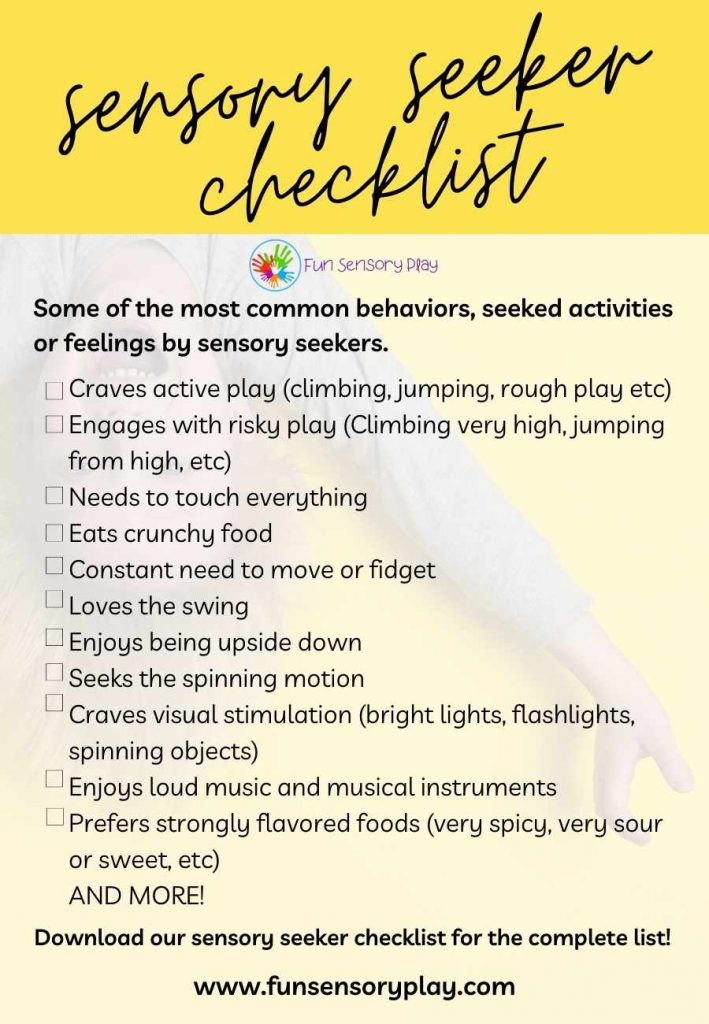
Sensory seeking can manifest in myriad ways. Some individuals might seek intense vestibular input through activities such as spinning, rocking, or jumping. Others may crave tactile stimulation, flocking to soft fabrics, sticky substances, or rough surfaces. Auditory sensations also become a focal point for some, drawn to humming, tapping, or specific repetitive sounds that others might find monotonous.
These behaviors often strike observers as peculiar or bewildering because they diverge markedly from typical childhood play or adult behaviors. However, understanding their purpose imbues them with clarity: they are purposeful acts to achieve sensory regulation. When incorporated into daily routines, sensory seeking can markedly enhance emotional stability and engagement with surroundings.
The Neurological Underpinnings: Why Fascination Runs Deep
Delving deeper reveals that sensory seeking behaviors arise from neurological differences inherent in autism. Brain imaging studies have demonstrated atypical connectivity in areas related to sensory integration, resulting in altered thresholds for sensory input. This means that what might be overwhelming to some is precisely what others need to feel centered.
Moreover, these behaviors engage the brain’s reward systems in unique ways. Sensory input that meets the individual’s needs can trigger dopamine release, reinforcing the behavior and fostering the intense fascination observed. This biochemical underpinning explains why sensory seeking can become so engrossing and seemingly compulsive, transcending mere habit and entering the realm of essential self-regulation.
Implications for Daily Life and Learning
Recognizing the meaning behind sensory seeking alters how caregivers, educators, and therapists approach intervention and support. Rather than suppressing these behaviors, it becomes vital to embrace them as valid expressions of need. Tailoring environments to include appropriate sensory opportunities can transform a setting from one of potential distress to one of empowerment and growth.
For example, incorporating sensory-rich activities—such as weighted blankets, textured toys, or controlled movement breaks—provides the necessary sensory input without overwhelming the individual. This integration supports not only comfort but also the development of communication skills, social interaction, and cognitive engagement.

Navigating the Balance: Sensory Seeking vs. Sensory Avoidance
It is crucial to distinguish sensory seeking from sensory avoiding, as they represent two ends of the sensory processing spectrum. While sensory seekers crave input, sensory avoiders find certain stimuli intolerable and may withdraw or exhibit distress. Yet, these behaviors can coexist within the same individual, fluctuating with context or developmental changes.
Understanding this dynamic balance allows for a nuanced approach to support, one that respects the complexity of sensory experiences rather than imposing generalized responses. A child might seek tactile input from soft fabrics while simultaneously avoiding loud noises, illustrating the rich mosaic of sensory preferences in autism.
Building Bridges: The Role of Empathy and Observation
Sensory seeking behaviors offer a window into the autistic individual’s internal world—often one marked by an acute need for sensory harmony amidst a barrage of environmental input. Careful observation and empathetic responses can transform these behaviors from sources of frustration to opportunities for connection and understanding.
Strategies such as sensory diets, individualized therapy plans, and adaptive technologies are potent tools in this endeavor. They honor the individual’s unique sensory profile, fostering environments where curiosity thrives and sensory needs are met thoughtfully.
In essence, sensory seeking does more than alleviate discomfort; it enriches the sensory landscape for autistic individuals, allowing them to experience the world with greater joy, focus, and meaning. Acknowledging and supporting these behaviors empowers not only those with autism but also their communities, inviting a broader appreciation of neurodiversity.