Imagine navigating a river whose waters suddenly deepen and quicken—no longer placid, but demanding steadier oars and a keener eye. This metaphor encapsulates the journey of individuals with Level 2 Autism Spectrum Disorder (ASD), where moderate support is paramount, and the currents of daily life require both resilience and understanding. Level 2 Autism represents a distinct echelon within the spectrum, characterized by noticeable challenges yet underscored by unique potentials and aspirations that often go unnoticed. To comprehend this level is to explore the delicate balance between dependence and autonomy.
Defining Level 2 Autism: The Middle Ground of Support
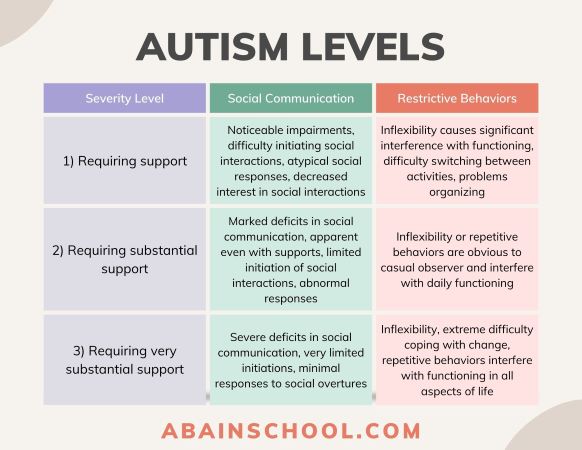
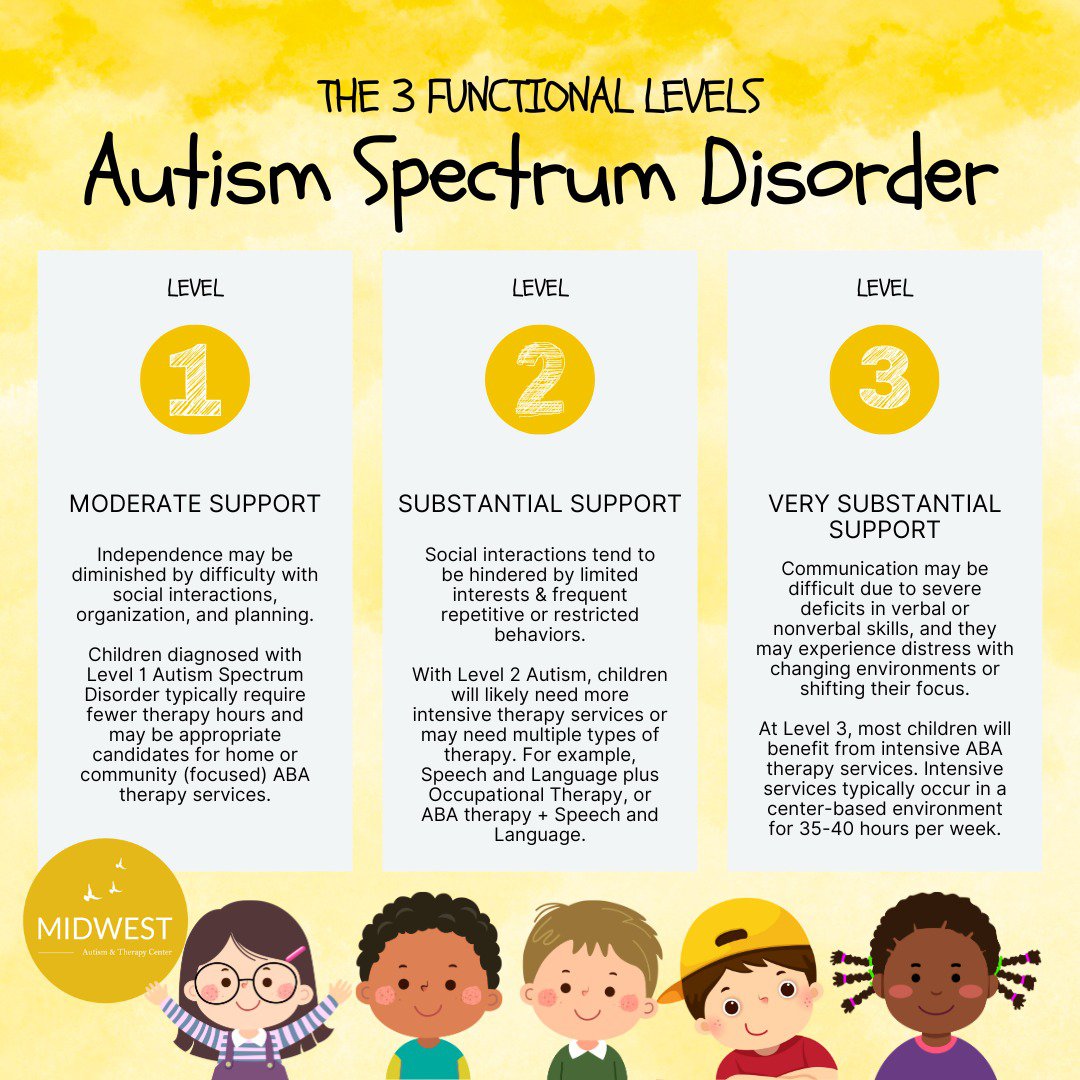
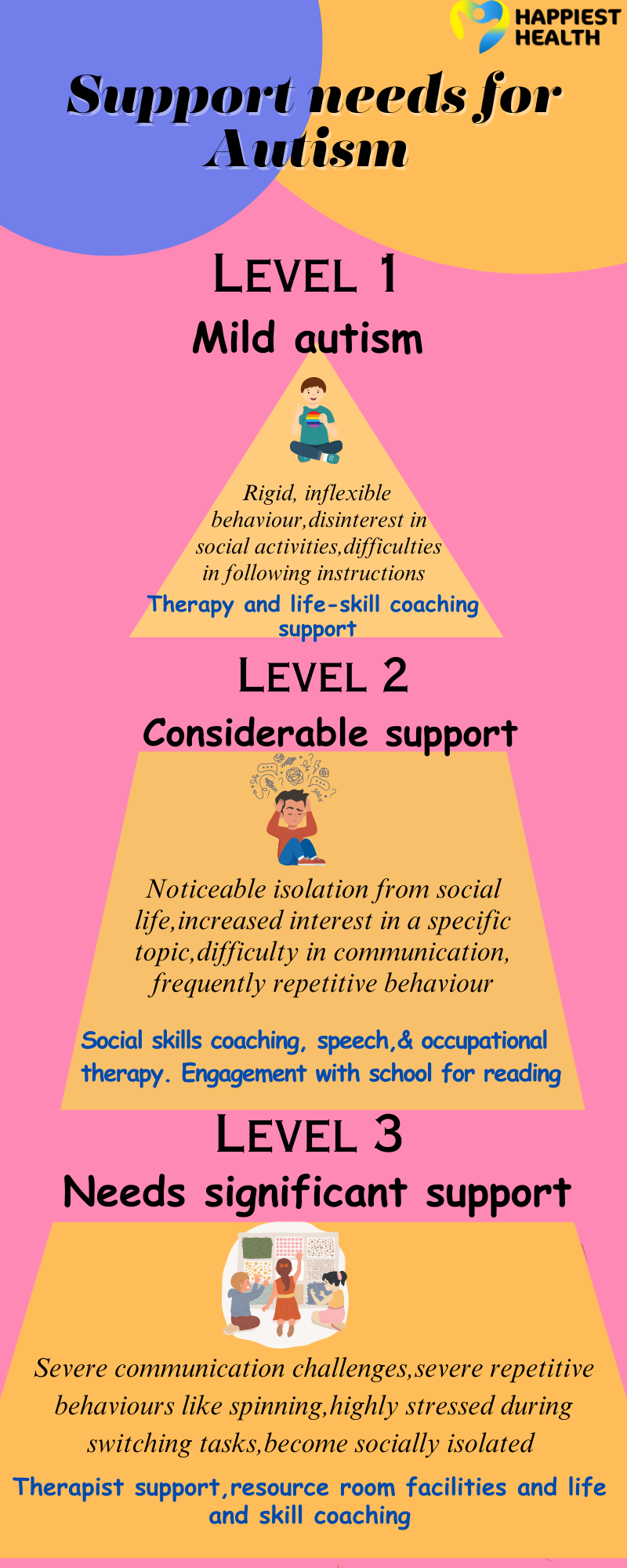
Level 2 Autism occupies the space between minimal and substantial support needs. It is neither the faint whisper of difficulties nor the overwhelming crescendo of profound impairment. Individuals here grapple with social communication barriers that are more apparent than in Level 1 yet less incapacitating than Level 3. Their behaviors and interests are conspicuous enough to demand consistent intervention, yet a scaffold of structured support often ignites growth and adaptation.
Functional impairments manifest notably in social reciprocity—struggling to initiate or sustain conversations, interpreting nonverbal cues inadequately, and exhibiting restricted or repetitive behaviors that interfere with everyday functioning. Unlike Level 1, where challenges may be subtly masked, Level 2’s demands on caregivers, educators, and therapists are persistent and unmistakable. However, this level also presents an arena ripe for skill-building and meaningful engagement when met with tailored strategies.

Social Communication: Bridging the Chasm
In the realm of social interaction, individuals with Level 2 Autism often resemble explorers attempting to decode an ever-shifting, enigmatic language. Their verbal and nonverbal exchanges might feel like distant signals caught with static—messages distorted or missed altogether. Unlike those with milder support needs, who might engineer social camouflage, Level 2 individuals exhibit a more palpable disconnect: they may speak in clipped sentences, rarely seek social initiation, and display limited eye contact, making reciprocal conversation an uphill battle.
This communicative chasm extends beyond mere speech. Nonverbal communication such as gestures, facial expressions, and body language is often misaligned, adding complexity to social navigation. The repercussions ripple into daily life—difficulty establishing friendships, frequent misunderstandings, and social isolation become unwelcome companions. Yet, with clinical intervention focusing on augmentative and alternative communication methods or speech therapy, many gradually bridge these gaps, fostering engagement and self-expression.
Behavioral Patterns: Rituals, Repetitions, and Regulation
Behavioral manifestations in Level 2 ASD are far from incidental; they are intricate tapestries woven from the need for predictability and sensory regulation. Repetitive motor movements, rigid adherence to routines, and intense fixations on specific interests typify this stage. Such behaviors might appear as self-soothing mechanisms or attempts to impose order on an often overwhelming sensory environment.
To the untrained eye, these patterns may seem perplexing or even obstructive. However, they hold intrinsic value, like the steady beat of a metronome grounding an orchestra. These behaviors help individuals regulate emotions and maintain equilibrium amid external chaos. Therapeutic frameworks aim not to extinguish such patterns but to channel them adaptively, enabling smoother transitions and greater flexibility.
Learning Profiles and Cognitive Abilities
The cognitive landscape within Level 2 Autism is varied and complex. Many individuals possess average or above-average intelligence but display uneven skill acquisition. Abstract reasoning, executive functioning, and adaptive skills often lag, necessitating targeted educational approaches.
The educational milieu for those with Level 2 ASD typically requires accommodations such as visual aids, predictable routines, and one-on-one support. These strategies recalibrate learning environments into spaces that acknowledge sensory sensitivities and the unique pace of comprehension. Notably, individuals with Level 2 autism may excel in concrete tasks, memorization, or niche interests, which can become the cornerstone of strength-based learning initiatives.
Sensory Sensitivities and Emotional Regulation
Like a finely tuned instrument vulnerable to discordant notes, sensory sensitivities are hallmark traits in Level 2 ASD. Overwhelming sensory input—be it noisy crowds, bright lights, or tactile irritants—can provoke intense distress, resulting in meltdowns or shutdowns. Unlike those with minimal support needs, the sensory landscape here is more fraught, often necessitating environmental modifications and coping strategies to prevent emotional derailment.
Emotional regulation in Level 2 autism is intricately tied to these sensitivities. Dysregulation manifests in frustration, anxiety, or aggression, frequently triggered by sensory overload or social misunderstanding. The employment of calming techniques, sensory diets, and predictable routines form the bedrock of support, transforming chaotic turbulence into manageable waves.
Support Strategies: The Architecture of Assistance
Providing support for Level 2 Autism is akin to constructing a robust scaffold—substantial enough to stabilize, yet flexible enough to adapt. Multidisciplinary approaches converge, integrating behavioral therapies, occupational therapy, speech-language pathology, and educational accommodations to orchestrate holistic development.
Applied Behavior Analysis (ABA), social skills training, and cognitive-behavioral interventions specifically target social reciprocity and behavioral challenges, enabling gradual mastery of pivotal skills. Additionally, assistive technologies, such as communication devices, empower individuals to transcend verbal limitations.
Family involvement and community inclusion are critical pillars. Empowering caregivers with education, respite resources, and advocacy tools creates a supportive ecosystem. Meanwhile, inclusive education and vocational training foster societal integration, emphasizing abilities over disabilities.
Unique Appeal and Potential Within Level 2 Autism
While the challenges of Level 2 Autism beckon ongoing attention, there exists an intrinsic allure woven through its complexities. Individuals often possess unique perspectives, heightened attention to detail, and deep reservoirs of passion. The intensity characteristic of this level can translate into remarkable talents and sincere sincerity.
Recognizing these attributes demands a paradigm shift — viewing autism not solely as a deficit but as a different neurodevelopmental architecture. This reframing allows society to appreciate the richness and diversity inherent in Level 2 Autism, encouraging environments where individuality is celebrated rather than suppressed.
In the evolving narrative of autism spectrum disorders, Level 2 stands as an evocative portrait of moderate challenges interlaced with profound potential. Its waters are neither placid nor turbulent, but a powerful current that, if navigated with wisdom and compassion, leads toward fulfillment, growth, and holistic inclusion.