Could the very industry that promises hope and progress to children on the autism spectrum be capitalizing on parental desperation? The autism therapy sector has ballooned into a multimillion-dollar enterprise, offering myriad interventions designed to support children’s development. Yet beneath the surface lies an intricate web of questions. Are these treatments genuinely augmenting well-being, or do they sometimes exploit the anxiety and expectations of families seeking a brighter future?
The Proliferation of Autism Therapies: Hope Meets Commercialization
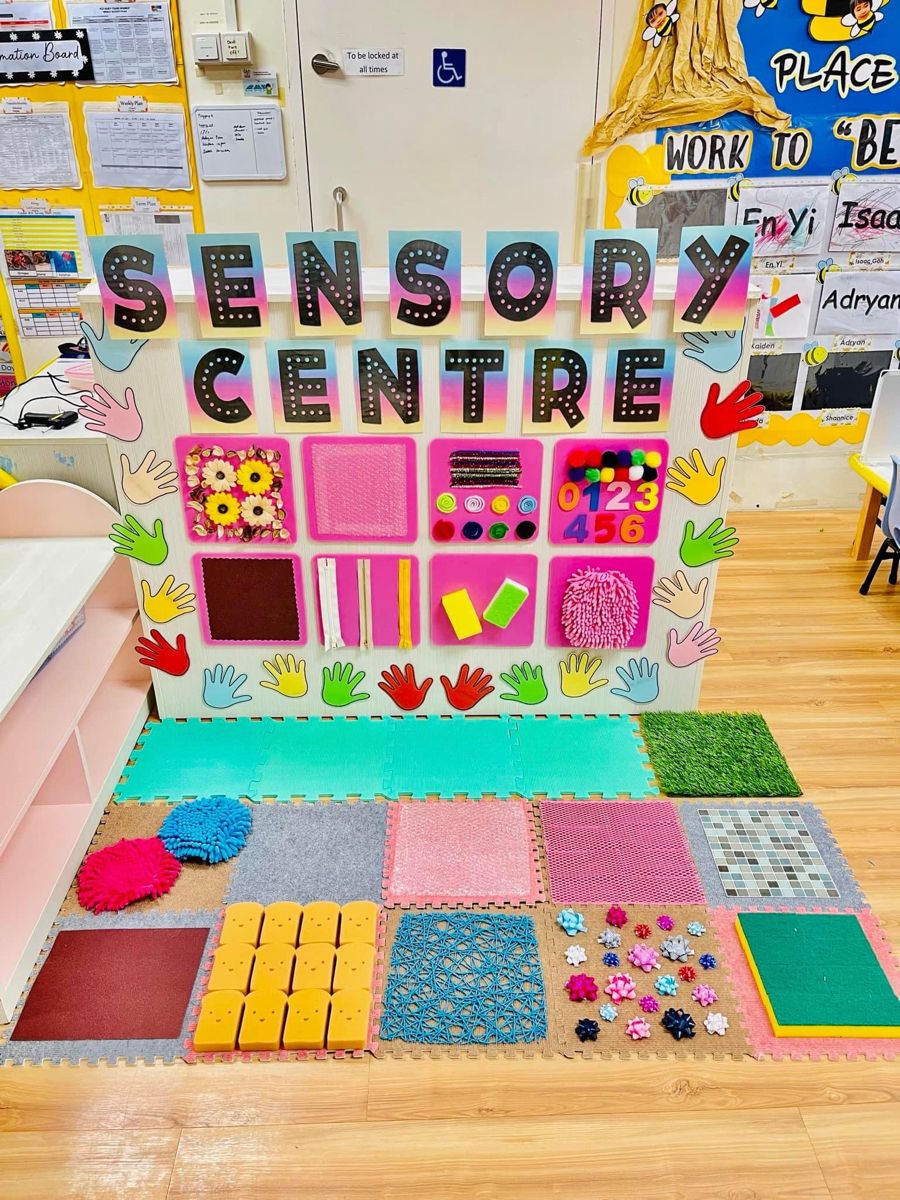
Over the past few decades, autism spectrum disorder (ASD) has transitioned from a little-understood diagnosis to one of the most intensively researched developmental conditions. Alongside this comes a burgeoning marketplace of therapies and interventions, ranging from behavioral approaches such as Applied Behavior Analysis (ABA) to alternative treatments like dietary programs and sensory integration therapies. For many parents, this array of options represents a beacon of hope. But the sheer volume and variety also pose a formidable challenge: sifting through what is evidence-based versus what might be inflated promises dressed in professional jargon.
This phenomenon has led to an increasingly monetized domain, where therapists, clinics, and service providers compete to capture the attention and budgets of families. With such high stakes, the potential for commercial gains to overshadow genuine therapeutic benefit becomes a salient concern.
The Financial Burden: When Hope Comes at a Hefty Price
One of the most glaring issues in the autism therapy industry is the extraordinary cost of interventions. Intensive programs, especially those involving one-on-one therapy administered for 20 to 40 hours per week, can cost tens of thousands of dollars annually. Many of these treatments require long-term commitments, sometimes spanning several years to yield measurable progress.
For families without comprehensive insurance coverage, the financial strain can be overwhelming. The promise of “breakthroughs” in behavior or communication often compels parents to allocate their savings or take on debt. This economic stress sometimes pares away the ability to critically evaluate whether a particular therapy is producing authentic benefits or simply perpetuating a cycle of spending without proportionate outcomes.
The Science and the Hype: Navigating Evidence-Based Practice
Distinction between scientifically validated therapies and unverified claims is imperative. ABA remains the cornerstone of evidence-based autism intervention, with decades of rigorous research underscoring its effectiveness in improving communication and reducing challenging behaviors. However, even within this paradigm, debates persist over methods and ethical boundaries.
Concurrently, a host of supplementary therapies have gained popularity despite lacking robust empirical support. These include hyperbaric oxygen therapy, chelation, and specialized diets, often heralded by anecdotal success stories but without conclusive clinical data. Vulnerable parents, driven by urgency, may be enticed into investing in these modalities based on testimonials rather than truth.
The Emotional Toll on Families: Exploitation Beyond Money
Beyond fiscal implications, the industry’s dynamics can impose significant psychological burdens on families. The unrelenting pursuit of improvement can foster feelings of guilt, inadequacy, or failure when expected progress is elusive. Some parents report pressure to adhere to demanding treatment schedules or to pursue costly experimental interventions, all under the specter of “missing critical windows” of development.
This environment can sometimes exploit natural parental instincts. Providers with aggressive marketing tactics or ambiguous outcome guarantees may prey on anxieties, leaving parents in a whirlpool of misinformation and conflicting advice. The emotional toll, while less visible than financial strain, is no less profound and warrants serious consideration.
Regulatory Oversight and Ethical Considerations: An Uneven Playing Field
The autism therapy landscape is characterized by a heterogeneous mesh of practitioners and organizations, many governed by disparate licensure standards and regulatory measures. This uneven oversight allows for the proliferation of unregulated treatments and questionable claims, posing risks to vulnerable children.
Ethical quandaries arise when commercial interests overshadow professional responsibility. Transparency about therapeutic efficacy, realistic goals, and potential limitations should be non-negotiable pillars of practice. Unfortunately, such ethical baselines are not always universally enforced, leaving parents to navigate a labyrinthine market often without clear guidance.
A Call for Informed Advocacy and Systemic Reform
Addressing these concerns requires a multi-pronged approach. Enhanced public awareness efforts must empower families with accurate, accessible information about evidence-based options. Healthcare providers, educators, and policymakers should collaborate to augment resources that facilitate discerning therapy selection and financial support mechanisms.
Legal frameworks could be refined to ensure accountability among service providers and to limit exploitative marketing practices. Meanwhile, fostering community support networks offers parents critical opportunities to share experiences, reduce isolation, and mitigate the risks of exploitation through peer insight.

In the end, the autism therapy industry occupies a complex nexus where science, emotion, and commerce converge. The pressing question remains: how can families access indispensable support without falling prey to practices that may do more harm than good?
Vigilance, informed decision-making, and systemic safeguards stand as the bulwarks against exploitation. Only through collective commitment can the promise of autism therapy be fully realized—delivering genuine empowerment rather than profit-driven pursuits masked as hope.