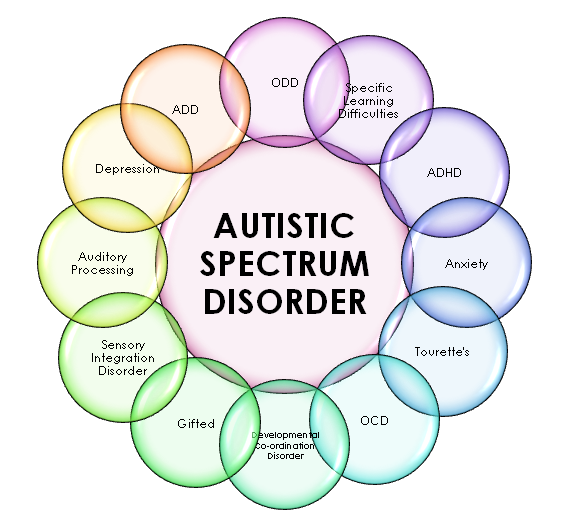
Maternal health during pregnancy plays an instrumental role in the developmental trajectory of the fetus, with emerging research underscoring the intricate relationship between prenatal infections and neurodevelopmental outcomes, particularly autism spectrum disorder (ASD). Autism, characterized by challenges in social interaction, communication, and repetitive behaviors, has a complex etiology influenced by both genetic predispositions and environmental factors. Among the latter, maternal infections during gestation have garnered significant scientific attention, illuminating potential pathways through which in utero exposure to pathogens may elevate autism risk.
Understanding the Spectrum of Maternal Infections
Maternal infections encompass a broad array of viral, bacterial, and parasitic agents that may challenge the immunological equilibrium between mother and fetus. Notably, infections such as influenza, rubella, cytomegalovirus (CMV), and toxoplasmosis have been implicated in altering fetal brain development. The diversity of these pathogens is vast, but their unified impact lies in their capacity to provoke inflammatory cascades and immune responses that can disrupt the delicate prenatal environment.
Inflammatory mediators, released as a consequence of maternal immune activation (MIA), cross the placental barrier and interact with the developing central nervous system. This biomechanical intrusion may precipitate aberrations in neuronal migration, synaptogenesis, and myelination processes crucial for cognitive and behavioral regulation. Research delineates that the timing of the infection during pregnancy — especially in the first and second trimesters — significantly modulates the degree of risk, highlighting critical windows of fetal vulnerability.

Neurobiological Mechanisms Linking Infections to Autism
Diving deeper into the pathophysiology reveals a fascinating yet complex interplay between maternal immunological responses and fetal neurodevelopment. The maternal immune system, when activated by infection, produces cytokines such as interleukin-6 (IL-6) and tumor necrosis factor-alpha (TNF-α), which traverse the placental interface. These cytokines are hypothesized to induce neuroinflammation within the fetal brain, thereby perturbing neuronal signaling pathways.
One pivotal aspect of current research involves how these inflammatory mediators alter synaptic plasticity and neurotransmitter systems, including the gamma-aminobutyric acid (GABA)ergic and glutamatergic circuits. Disruptions in these pathways can manifest as atypical sensory processing and behavioral phenotypes commonly observed in autism. Moreover, animal model studies have corroborated that maternal immune activation triggers microglial activation in offspring, further influencing synaptic pruning and neuronal connectivity.

Clinical Evidence and Epidemiological Insights
The association between maternal infections and increased incidence of ASD has been extensively studied in epidemiological investigations across diverse populations. Large cohort studies have identified that mothers who experienced infections necessitating hospitalization during pregnancy exhibited a statistically significant rise in the likelihood of ASD diagnosis in their children. These studies underscore the breadth of maternal immune activation as a potent environmental risk factor, independent of direct pathogen transmission.
Not all infections confer the same degree of risk; viral infections, particularly those involving neurotropic viruses like rubella and influenza, seem to exert a more pronounced effect. Meanwhile, bacterial infections, depending on severity and gestational timing, may also contribute. It is crucial to recognize that maternal infection alone does not determine autism risk but interacts synergistically with genetic susceptibility and other perinatal insults.
Preventative Strategies and Public Health Considerations
Given the modifiable nature of certain risk factors, addressing maternal infections holds promise for mitigating some autism risk elements. Public health initiatives emphasize vaccination programs for pregnant women and those planning conception, targeting pathogens such as influenza and rubella to reduce prenatal exposure. Enhanced prenatal care protocols advocating for prompt diagnosis and treatment of infections can minimize sustained immune activation and potential fetal compromise.
Beyond medical interventions, education on hygiene, nutrition, and environmental exposures represent adjunctive layers of prevention. Obstetric healthcare providers are encouraged to adopt a multidisciplinary approach that integrates infectious disease screening and immune status monitoring as core components of prenatal care.
Challenges and Future Directions in Research
Despite compelling associations, the heterogeneity of autism spectrum disorder complicates definitive conclusions regarding causality and mechanistic pathways. The interaction between maternal infections and genetic polymorphisms modulating immune responsiveness remains an evolving frontier, with implications for personalized risk stratification. Advanced neuroimaging techniques and biomarker identification in both mothers and neonates are progressively elucidating subtle neurodevelopmental alterations preceding overt clinical manifestations.
Future investigations aim to unravel critical windows for therapeutic intervention, potentially involving modulation of maternal immune responses to circumvent pathological fetal neuroinflammation. Ethical considerations also permeate research directives, ensuring that findings translate into efficacious and equitable healthcare policies.
In conclusion, the intricate nexus of maternal infections and autism represents a vital area of neurodevelopmental research. While not singularly deterministic, maternal immune activation elicited by infections during pregnancy emerges as a salient factor influencing fetal brain maturation and subsequent developmental outcomes. Through continued scientific inquiry and conscientious public health initiatives, the goal remains to optimize maternal-fetal health and attenuate preventable risk factors contributing to autism spectrum disorder.