Have you ever wondered how school environments can transform into vibrant arenas of growth for children on the autism spectrum? Imagine the challenge: integrating specialized therapies seamlessly within the daily bustle of classrooms, playgrounds, and lunchrooms—spaces designed primarily for typical development. The question becomes not just “What therapies are available?” but rather, “How can these interventions be effectively embedded in school settings to foster both academic and social success?”
The Landscape of School-Based Therapies for Autism
Schools today are more than just centers for academic knowledge; they have evolved into comprehensive ecosystems that address a spectrum of developmental needs. For children with autism spectrum disorder (ASD), this means access to multidisciplinary therapies that complement educational curricula. These therapies are tailored to address the diverse presentations of autism, including communication challenges, sensory processing issues, social interaction difficulties, and behavioral regulation.
Notably, the Individuals with Disabilities Education Act (IDEA) mandates that public schools provide individualized support and related services to ensure that children with disabilities receive Free Appropriate Public Education (FAPE). This legislative framework underpins the availability and implementation of therapeutic services within educational settings.
Applied Behavior Analysis (ABA) Therapy: Shaping Positive Behaviors
ABA therapy stands as one of the most extensively researched and implemented methodologies within schools. Rooted in behavioral psychology, it employs systematic reinforcement to encourage desirable behaviors and diminish those that interfere with learning and socialization.
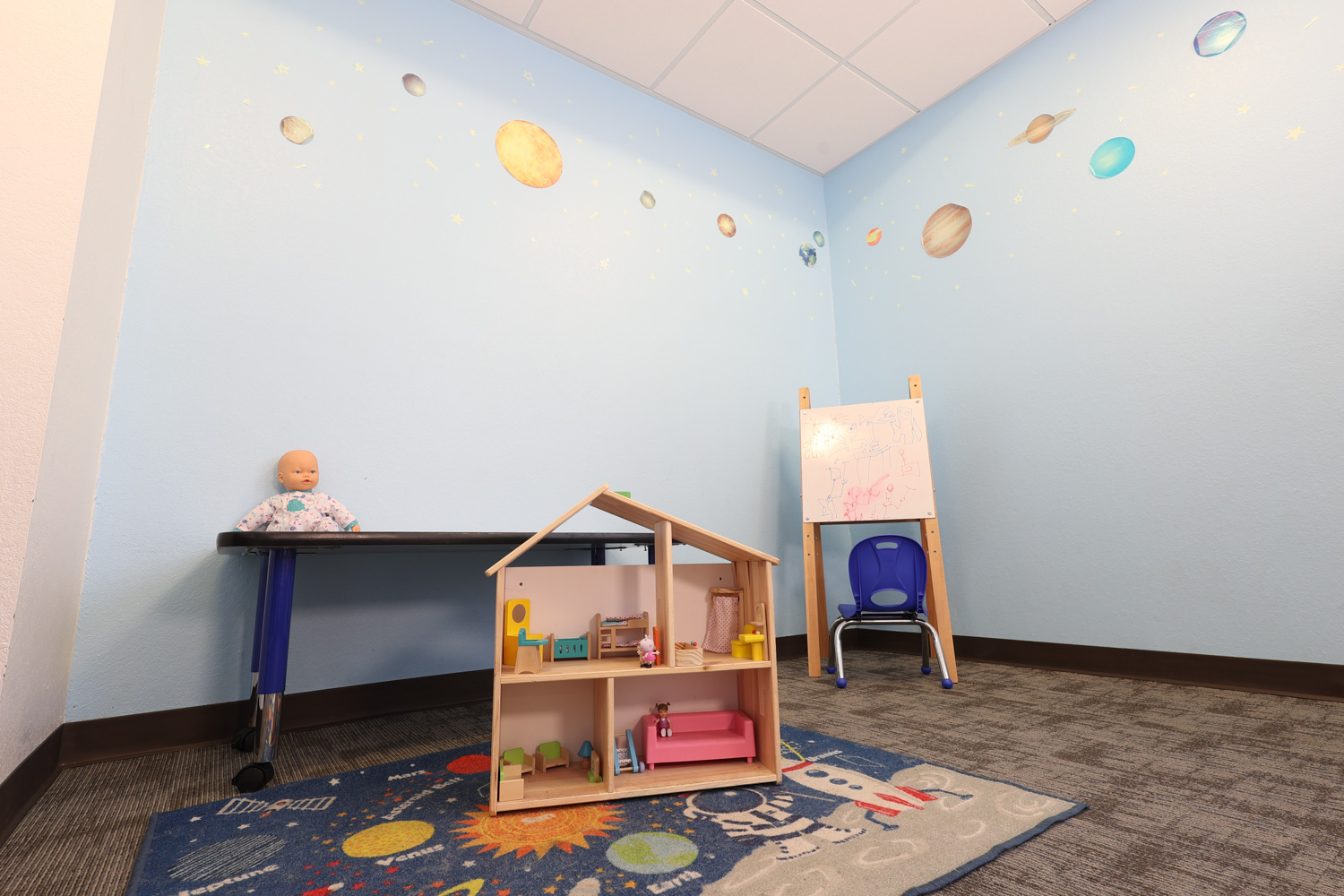
Within a school context, ABA therapists collaborate with educators to devise behavior intervention plans (BIPs), which are seamlessly integrated into the child’s daily routine. This therapeutic technique not only enhances adaptive skills but also promotes independence and self-regulation, allowing students to navigate the school environment more effectively.
Speech and Language Therapy: Unlocking Communication
Communication is often one of the most significant challenges faced by children with autism. Speech and language therapy addresses this by enhancing both expressive and receptive language skills. Services may include articulation exercises, nonverbal communication techniques like AAC (augmentative and alternative communication) devices, and social communication strategies.
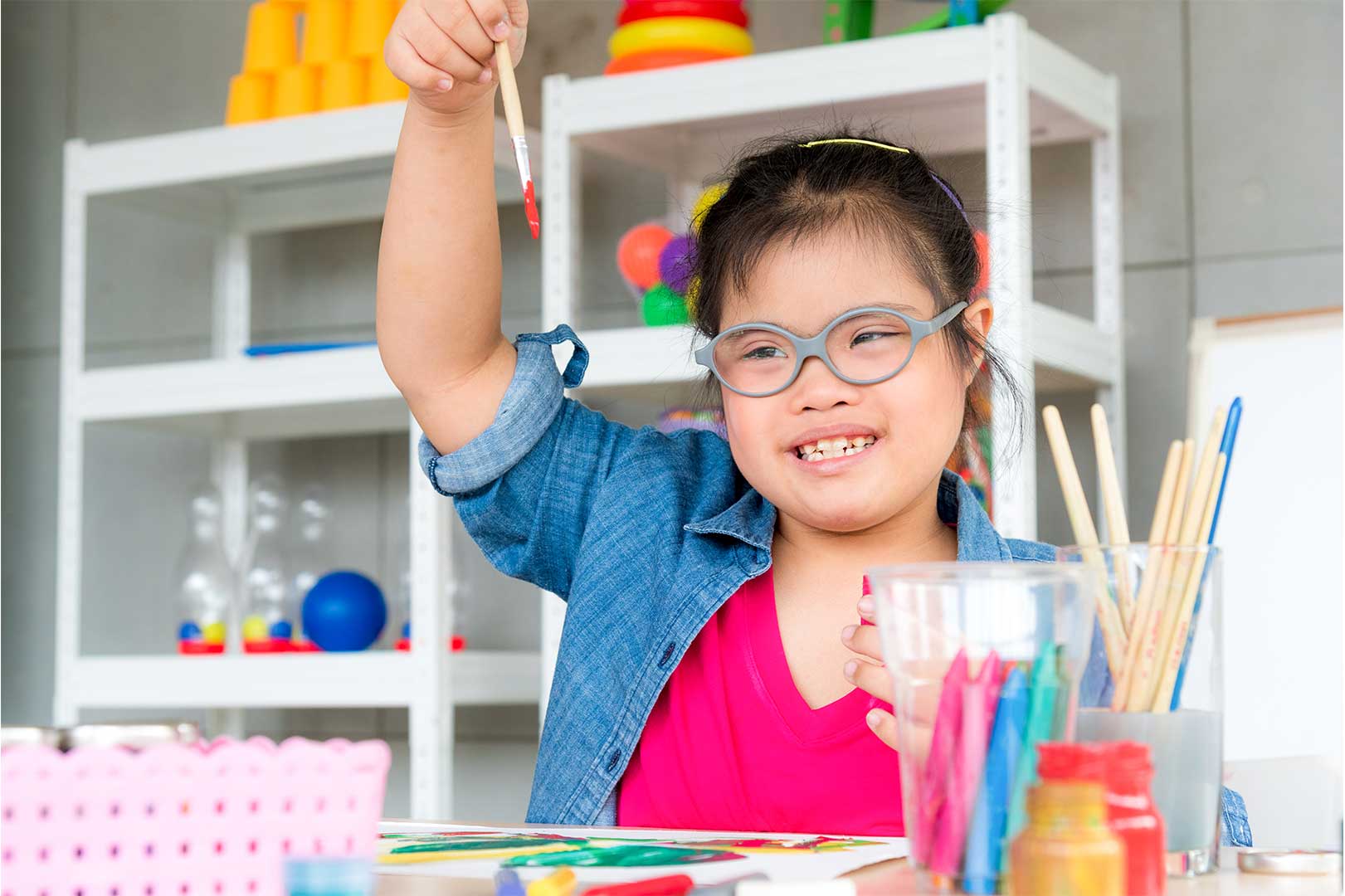
In schools, speech therapists work in tandem with teachers to implement individualized goals from the child’s Individualized Education Program (IEP). These goals might encompass improvements in conversational skills, comprehension, or even pragmatic language, which pertains to the social nuances of communication.
Occupational Therapy: Bridging Sensory and Motor Skills
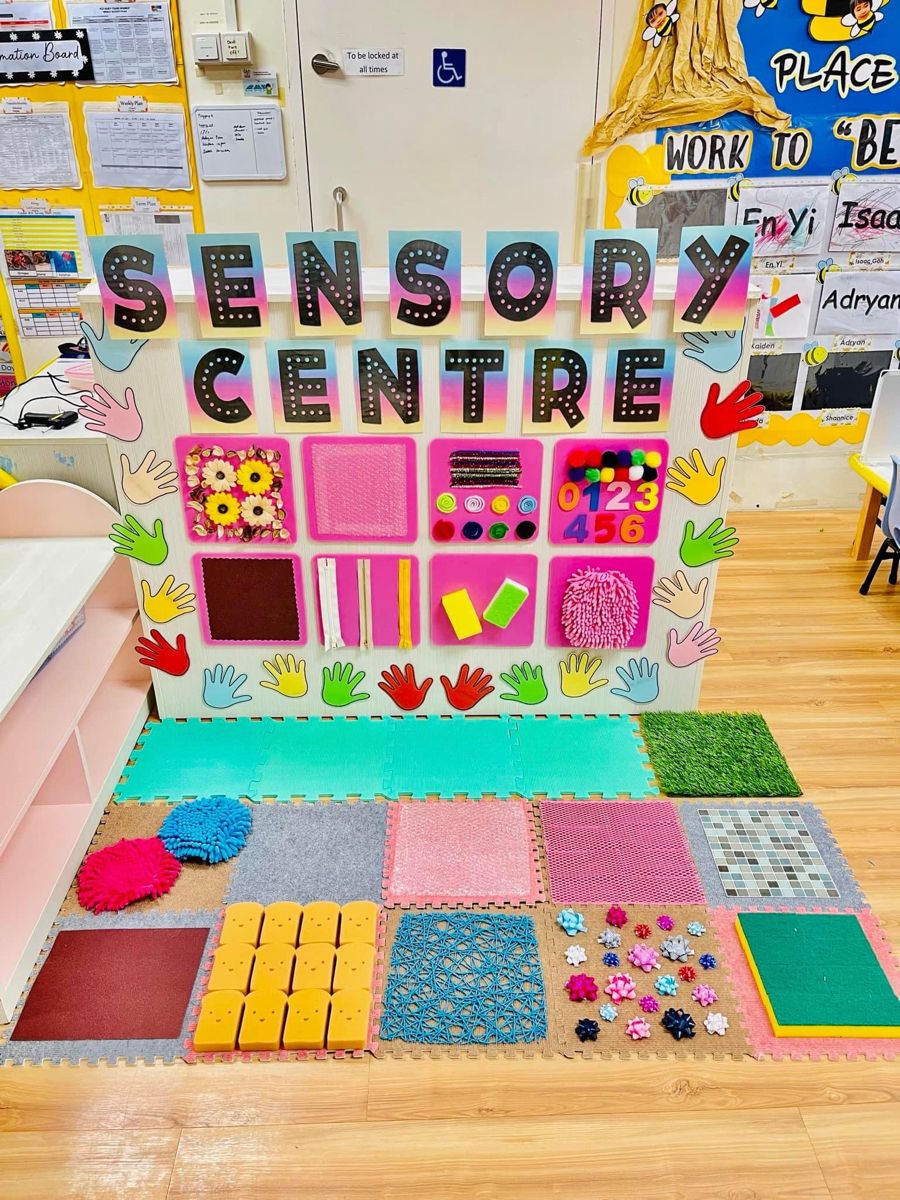
Occupational therapy (OT) within schools often targets sensory processing difficulties that impede learning and participation. Children on the spectrum may experience hypersensitivity or hyposensitivity to stimuli such as light, sound, or touch, which can manifest as meltdowns or withdrawal.

School-based occupational therapists employ a myriad of strategies—from sensory diets to fine motor skill development—to foster self-regulation and enhance engagement. They also aid in building the skills necessary for everyday school tasks, such as handwriting, using classroom tools, and managing personal care routines.
Social Skills Training: Cultivating Meaningful Connections
One of the more nuanced yet critical aspects of school therapy is the facilitation of social skills. Children with autism often struggle to decode social cues, initiate interactions, or maintain friendships, which can lead to isolation or bullying.
Therapists and special educators conduct structured social skills groups or individualized coaching sessions designed to teach perspective-taking, cooperative play, and conflict resolution.
These sessions not only impart vital interpersonal skills but also provide safe environments for practicing newfound abilities. Integrating peers who model appropriate social behavior can significantly enhance generalization of skills outside therapy.
Collaborative Team Approach: The Keystone of Success
The efficacy of school-based therapies hinges on a collaborative, multidisciplinary team comprised of special educators, therapists, behavioral analysts, parents, and administrators. This consortium ensures that interventions are cohesive and that progress is continuously monitored and adjusted.
Regular meetings centered around the child’s IEP facilitate the exchange of insights and strategies, preventing fragmentation of efforts and promoting a holistic developmental trajectory. Moreover, parental involvement is indispensable, as it bridges the gap between home and school.
Challenges and Innovations in Delivering Therapies
While schools strive to offer comprehensive therapeutic services, several obstacles persist. Limited funding, insufficient training of school staff, and varying degrees of acceptance can impede the full realization of a child’s potential.
Innovations such as teletherapy, peer-mediated interventions, and inclusive classroom models are increasingly being adopted to surmount these barriers. Embracing technology and fostering awareness among educators further empower schools to accommodate the multifaceted needs of students with autism.
In sum, school-based therapies represent a vital pillar in supporting children with autism spectrum disorder. These services not only target the unique challenges faced by each student but also enrich their educational experience, fostering growth, independence, and social integration. As schools continue to evolve in their understanding and capability, the horizon of possibilities for children with autism grows ever brighter.