In the labyrinth of modern parenting, where each day unfolds like a puzzle waiting to be solved, there exists a silent revolution—one that transforms chaos into clarity, uncertainty into understanding. For families navigating the intricate terrain of autism, the key to this transformation often lies not in grand gestures, but in the quiet power of visual schedules. These aren’t mere charts; they are lifelines, bridges between the abstract and the tangible, the unpredictable and the structured. Imagine a world where transitions no longer spark meltdowns, where expectations are not whispered but seen, where every step forward is met with a sense of security. This is the promise of creating custom visual schedules at home—a practice that doesn’t just organize time, but reshapes the very fabric of daily life for autistic individuals and their loved ones.
Visual schedules are more than tools; they are silent teachers, whispering routines into the minds of those who thrive on predictability. For a child with autism, the world can feel like a storm of sensory overload, where every change in routine feels like a sudden gust of wind threatening to topple their carefully constructed world. A visual schedule, however, acts as an anchor, grounding them in the familiar while gently guiding them through the unfamiliar. It’s not about rigid control—it’s about empowerment. When a child can see what’s coming next, the anxiety that often accompanies transitions begins to dissolve. The result? A home that feels less like a battleground and more like a sanctuary of stability.
The Alchemy of Structure: Why Visual Schedules Work
At the heart of every visual schedule lies a profound understanding of how autistic individuals process information. While neurotypical minds may effortlessly navigate the ebb and flow of daily life, autistic minds often require a different kind of map—one that translates abstract concepts into concrete, visual terms. This isn’t a deficit; it’s a difference in wiring. Visual schedules cater to this difference by leveraging the brain’s natural affinity for images, colors, and symbols. They transform the intangible—like “time” or “next steps”—into something tangible, something that can be touched, pointed to, and internalized.
Consider the act of transitioning from one activity to another. For many autistic children, this can feel like being yanked from one reality and dropped into another, with no warning or preparation. A visual schedule mitigates this by providing a clear, step-by-step roadmap. It doesn’t just tell a child what’s coming next; it shows them. This visual cueing reduces the cognitive load, allowing the child to focus on the task at hand rather than grappling with the anxiety of the unknown. Over time, this practice doesn’t just ease transitions—it builds resilience, teaching the child that change, while challenging, is also manageable.
The benefits extend beyond the individual. For parents and caregivers, visual schedules offer a rare glimpse into the inner workings of their child’s mind. They become a shared language, a way to communicate without words. A parent can point to a picture of a bath and say, “After snack time,” and the child understands. This shared understanding fosters a deeper connection, one built on mutual respect and collaboration. It’s not about dictating a child’s day; it’s about co-creating a rhythm that works for everyone.
Designing with Intention: Crafting a Visual Schedule That Resonates
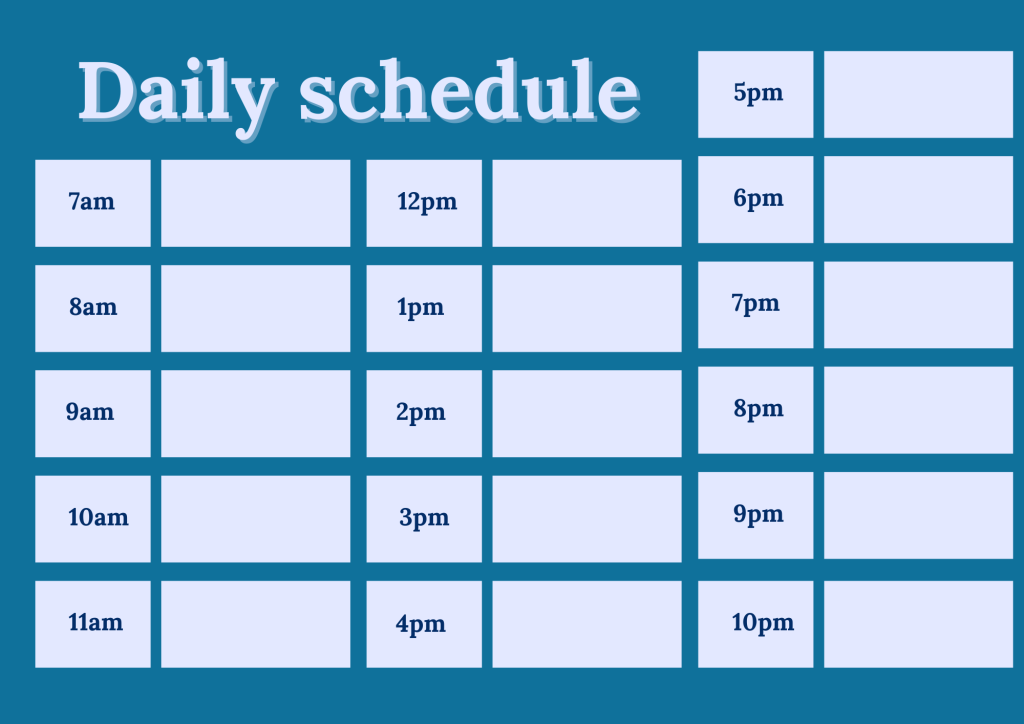
Creating a visual schedule isn’t a one-size-fits-all endeavor. It’s an art form, one that requires careful consideration of the child’s unique needs, preferences, and developmental stage. The first step is to observe. What activities does the child engage in most frequently? What transitions are the most challenging? The answers to these questions will guide the structure of the schedule. For younger children or those with more significant support needs, a simple, linear schedule with clear, distinct pictures may work best. For older children or those with higher verbal skills, a more detailed schedule with written words alongside images can provide additional context.
The choice of imagery is equally critical. Real photographs often resonate more deeply than clipart or drawings, as they provide a direct, unfiltered representation of the activity. For example, a photo of the child’s actual bed is far more effective than a generic illustration of a bed. Similarly, the use of color can enhance comprehension. Bright, contrasting colors can draw attention to key elements, while consistent color-coding can help the child associate specific activities with specific hues. A red border might signal a transition, while a blue background could indicate a preferred activity.
But visual schedules aren’t static. They evolve as the child grows and their needs change. What works today may not work in six months. This is why flexibility is key. A schedule that’s too rigid can feel oppressive, while one that’s too flexible may lack the structure the child craves. The goal is to strike a balance—one that provides enough guidance to reduce anxiety, but enough freedom to allow for spontaneity and joy. It’s a delicate dance, one that requires patience, experimentation, and a willingness to adapt.

Beyond the Basics: Advanced Strategies for Deeper Impact
Once the foundational elements of a visual schedule are in place, it’s time to explore advanced strategies that can amplify its effectiveness. One such strategy is the use of “first-then” boards. These simple yet powerful tools help the child understand the sequence of activities by breaking them down into manageable chunks. For example, a board might show a picture of a preferred activity (e.g., playing with a favorite toy) followed by a less preferred one (e.g., brushing teeth). The message is clear: “First brush your teeth, then you can play.” This approach leverages the child’s natural motivation, making transitions feel less like a demand and more like a trade-off.
Another advanced technique is the incorporation of timers or countdowns. For children who struggle with the abstract concept of time, a visual timer can provide a concrete representation of how much time remains before a transition. The ticking hand of a timer or the gradual disappearance of a colored segment can make the passage of time tangible, reducing the anxiety that often accompanies waiting. This strategy is particularly effective for activities that require sustained attention, such as homework or chores, as it helps the child pace themselves and understand when they can expect a break.
Social stories can also be woven into the fabric of a visual schedule to provide additional context and reassurance. These short, personalized narratives explain social situations, routines, or expectations in a way that’s easy to understand. For example, a social story might describe what will happen during a doctor’s appointment, including who will be there, what will happen, and how the child can cope if they feel overwhelmed. When paired with a visual schedule, social stories can help the child anticipate and prepare for new experiences, reducing fear and uncertainty.
Troubleshooting Common Challenges
Even the most carefully crafted visual schedule will encounter obstacles. The key is to approach these challenges with curiosity rather than frustration. One common issue is resistance to the schedule itself. A child may initially reject the idea of following a visual guide, viewing it as a constraint rather than a tool. In these cases, it’s important to introduce the schedule gradually. Start by incorporating it into low-pressure situations, such as playtime or snack time, before expanding it to more challenging transitions. Pairing the schedule with positive reinforcement, such as praise or a small reward, can also help the child associate the schedule with positive experiences.
Another challenge is maintaining consistency. Life is unpredictable, and even the best-laid plans can go awry. When disruptions occur, it’s essential to communicate openly with the child. Use the schedule to explain the change, even if it’s just a temporary one. For example, if a planned outing is canceled, point to the canceled activity on the schedule and say, “Today, we’re staying home instead. Let’s find something fun to do here.” This approach validates the child’s feelings while also providing a sense of control in an unpredictable situation.
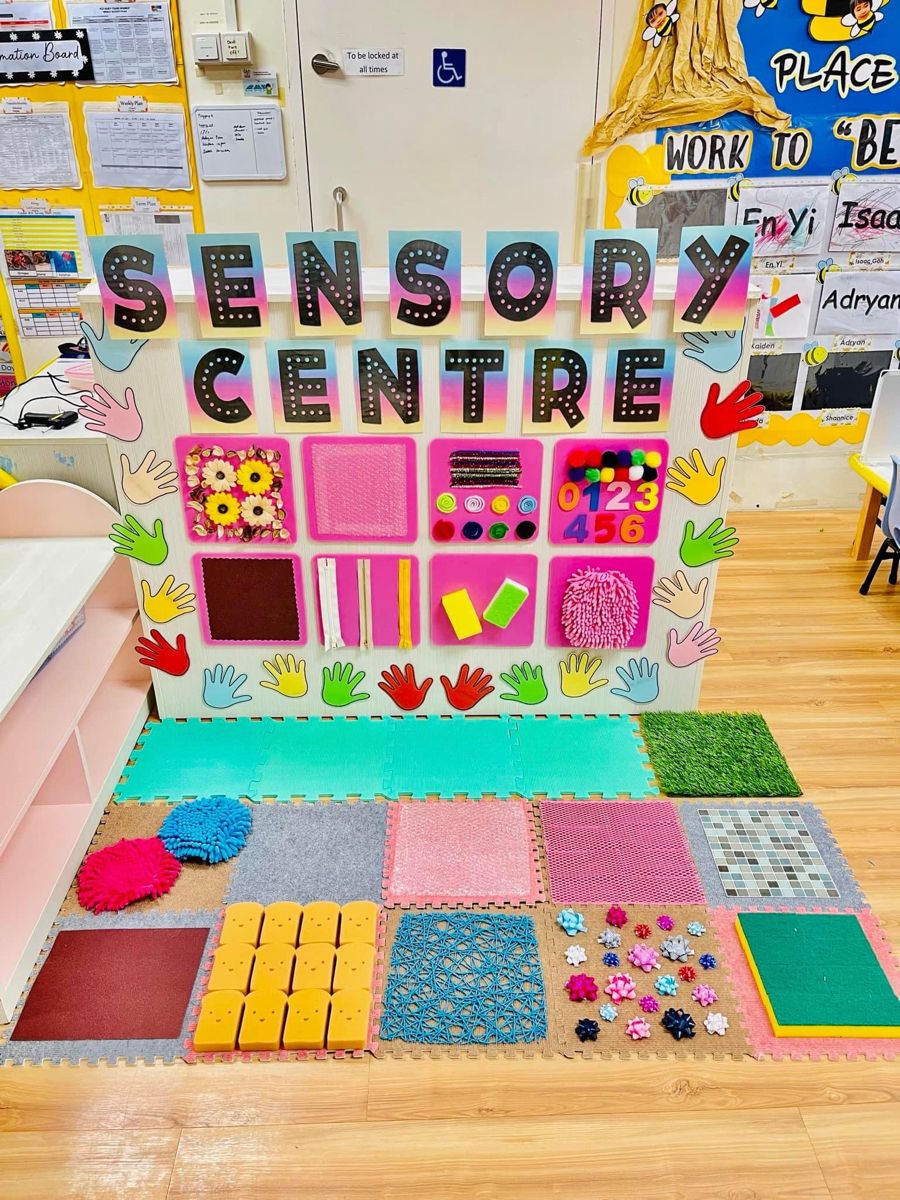
Sensory sensitivities can also pose a hurdle. A child may dislike the texture of a Velcro board or the brightness of certain colors. In these cases, it’s worth experimenting with different materials and designs. A fabric schedule with soft, textured images might be more appealing than a rigid plastic one. Alternatively, digital schedules can offer a flexible, customizable alternative, allowing the child to interact with the schedule on a tablet or computer. The goal is to create a schedule that feels inviting, not intrusive.
The Ripple Effect: How Visual Schedules Transform the Entire Family
The impact of a visual schedule extends far beyond the individual who uses it. For siblings, it can be a source of clarity and fairness. When everyone in the family follows a shared schedule, it reduces competition for attention and resources. Siblings can see when their brother or sister is engaged in a preferred activity and understand why they might not be available to play. This transparency fosters empathy and reduces resentment, creating a more harmonious home environment.
For parents, the benefits are equally profound. Visual schedules can alleviate the mental load of constantly having to explain, remind, and negotiate. They provide a tangible way to track progress, celebrate achievements, and identify areas where additional support may be needed. Over time, they can even reduce the stress and burnout that often accompany parenting a child with autism. When routines are clear and expectations are visible, the entire family can breathe a little easier.
Perhaps most importantly, visual schedules can shift the family’s perspective on autism itself. They challenge the notion that autism is a series of deficits to be managed and instead highlight the strengths and capabilities of the individual. A child who once struggled to navigate the world with confidence may begin to see themselves as capable, organized, and in control. This shift in self-perception can be transformative, not just for the child, but for the entire family.
In the end, a visual schedule is more than a tool—it’s a testament to the power of seeing the world through someone else’s eyes. It’s a way to honor the unique way an autistic mind processes information, while also providing the structure and support needed to thrive. It’s a quiet revolution, one that begins at home and ripples outward, touching every corner of a family’s life. And in a world that often feels overwhelming, it’s a reminder that clarity, connection, and calm are always within reach.