Medical appointments, a routine aspect of healthcare, often present a significant source of stress and anxiety for individuals on the autism spectrum. The sensory overload, unpredictable schedules, and social demands inherent in these settings can exacerbate discomfort, making what should be a straightforward experience profoundly challenging. Understanding the nuanced reasons behind this stress—and adopting strategies to mitigate it—can transform medical visits into more manageable encounters, fostering better health outcomes and emotional well-being.
Understanding the Sensory Landscape of Medical Appointments
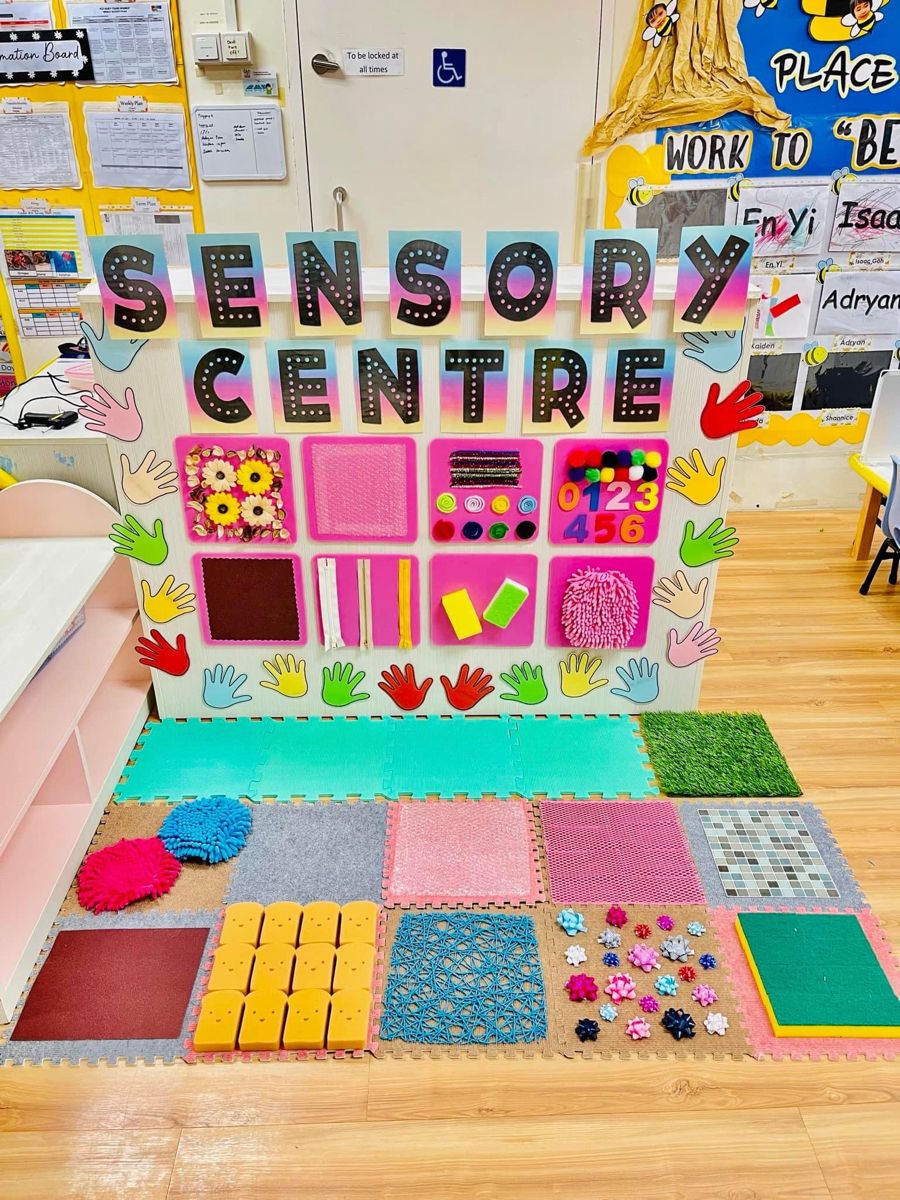
Medical environments are often rife with sensory stimuli that can overwhelm individuals with autism. The clinical brightness of fluorescent lighting, the cacophony of beeping machines, murmuring voices, and even the sterile odors converge to create a sensory symphony that is anything but harmonious. This heightened sensory input often precipitates sensory overload, a state marked by irritability, distress, and withdrawal. The unforgiving nature of these surroundings disrupts an individual’s capacity to remain composed, exacerbating pre-existing anxieties and sometimes triggering meltdowns.

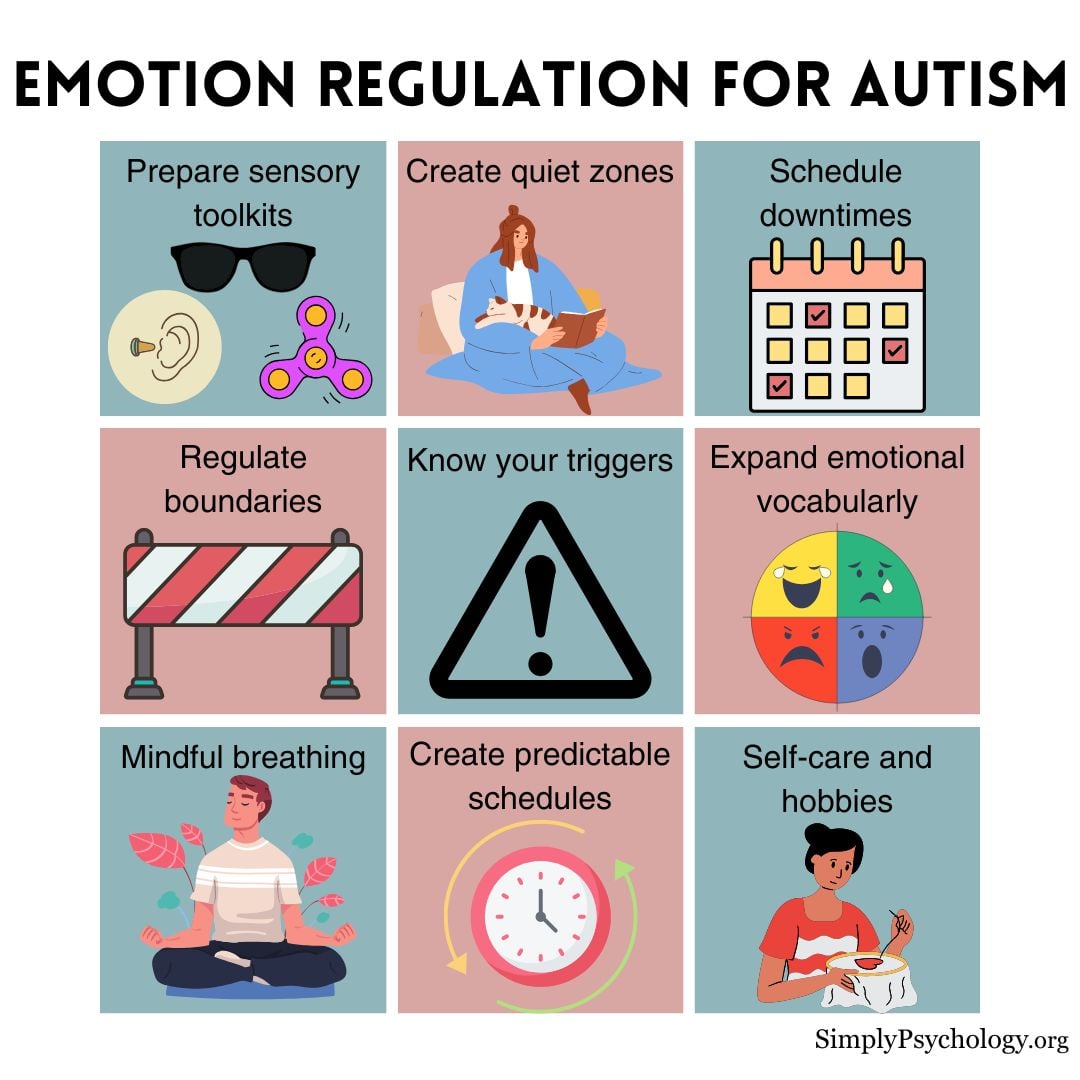
To ameliorate such sensory challenges, adaptive tools like sound-reducing headphones come to the fore. These devices can diminish ambient noise, allowing a more focused and serene experience. Their adoption is more than a convenience; it is a testament to the profound need for environments attuned to sensory sensitivities that respect the unique neurological wiring of those on the spectrum.
The Intricacies of Routine Disruption and Its Psychological Impact
Routine, predictability, and structure are foundational pillars for many individuals with autism. These elements function as a psychological anchor, fostering a sense of security and control. Medical appointments frequently disrupt these anchors, introducing unpredictability through variable waiting times, unfamiliar environments, and unexpected procedures. This unpredictability can provoke anxiety stemming from the inability to anticipate what lies ahead.

Caregivers and practitioners who appreciate the centrality of routine can leverage this understanding by incorporating predictable sequences within the appointment framework. Visual schedules, social stories, and preparatory walkthroughs serve to scaffold the experience, reducing apprehension by offering a coherent narrative before, during, and after the visit. Thus, disruption is softened by intentional preparation.
Communication Barriers: Unveiling Hidden Frustrations
Communication nuances often underlie the distress observed during medical encounters. Autistic individuals may face challenges in decoding verbal instructions, expressing discomfort, or articulating symptoms. These barriers, compounded by the often hurried pace of healthcare professionals, can lead to misunderstandings and inadequate care, intensifying frustration.
Utilizing alternative communication methods, such as augmentative and alternative communication (AAC) devices, picture exchange systems, or simply allowing extended time for responses, can bridge this divide. By fostering a two-way dialogue that respects individual communication styles, healthcare providers can forge connections built on trust rather than tension.
The Role of Healthcare Providers: Establishing Empathy Through Expertise
Healthcare practitioners play a pivotal role in transforming the hospital or clinic into a less intimidating space. Sensitivity training geared toward autism-specific needs cultivates a healthcare culture that validates and anticipates the challenges faced by autistic individuals. Small gestures—like introducing oneself clearly, explaining procedures in concrete terms, or providing quiet waiting areas—accumulate to create a supportive atmosphere.
Moreover, patient-centered care models that embrace flexibility—rescheduling appointments to align with patient readiness, allowing family member presence, or permitting sensory-friendly adjustments—underscore respect for neurodiversity. Such accommodations are not mere preferences; they are essential facilitators of equitable healthcare access.
Fascination with Medical Rituals: A Deeper Psychological Exploration
A nuanced observation is the intrigue some individuals with autism may exhibit towards the procedural rituals of medical settings. The meticulous order of instrument sterilization, the rhythmic repetition of vital checks, and the systematic documentation may evoke a sense of fascination rooted in an affinity for order and predictable sequences. This fascination, however, sits juxtaposed with anxiety, illuminating the complex interplay between comfort found in routine and distress caused by unpredictability.
Recognizing this paradox can inform approaches that channel such interests constructively—engaging patients by explaining procedures through formulaic or stepwise narratives, or involving them in simple tasks like organizing personal medical items. These strategies can transform passive experience into active participation, fostering agency and diminishing feelings of helplessness.
Preparing for Medical Visits: Practical Strategies for Stress Reduction
Effective preparation serves as a linchpin in reducing stress associated with medical appointments. Prior familiarization with the medical environment, whether through virtual tours, storyboards, or social scripts, builds cognitive maps that enhance predictability. Engaging in role-playing scenarios can desensitize fears and rehearse appropriate responses.
On the day of the appointment, minimizing waiting periods, scheduling appointments at times congruent with the individual’s peak functioning periods, and bringing comfort items can further alleviate anxiety. Additionally, clear communication with healthcare teams about sensory sensitivities and preferred support methods ensures that accommodations are understood and implemented seamlessly.
Empowering Families and Caregivers: The Cornerstone of Support
Families and caregivers are indispensable advocates within the healthcare journey of individuals with autism. Their intimate understanding of preferences, triggers, and effective coping mechanisms serves as a vital compass during appointments. Empowering caregivers through education about patient rights, autism-friendly healthcare practices, and available resources amplifies their capacity to advocate effectively.
Collaborative care approaches that integrate caregiver insights into medical planning foster holistic and individualized care strategies. This alliance mitigates stress, ensuring that medical visits become collaborative endeavors rather than isolating experiences.
In conclusion, the nexus of autism and medical appointments reveals a landscape marked by sensory challenges, communication hurdles, and the delicate balance between fascination and anxiety. By embracing a comprehensive understanding of these factors and implementing thoughtful accommodations and preparations, the medical experience can evolve from a source of trepidation into an opportunity for empowerment and well-being. Cultivating environments of empathy and predictability not only honors neurodiversity but also lays the groundwork for equitable, compassionate healthcare for all.