Have you ever watched a child with autism wriggle out of a scratchy sweater like it’s a suit of armor they can’t wait to shed? The battle isn’t just about comfort—it’s about reclaiming autonomy in a world that often overlooks the tactile tyranny of everyday fabrics. For many neurodivergent individuals, clothing isn’t just fabric draped over the body; it’s a second skin that can either soothe or suffocate. What if the key to unlocking their confidence lies not in changing the child, but in changing the clothes?
Sensory-friendly clothing isn’t a trend—it’s a revolution in how we perceive comfort, dignity, and self-expression. These garments are meticulously designed to bypass the sensory landmines that trigger discomfort, from the seams that feel like barbed wire to the tags that scream against the neck. But with so many brands emerging from the sartorial shadows, how do you separate the genuinely thoughtful designs from the opportunistic imitations? Let’s unravel the fabric of this movement, thread by thread.
The Sensory Storm: Why Traditional Clothes Can Feel Like a Battlefield
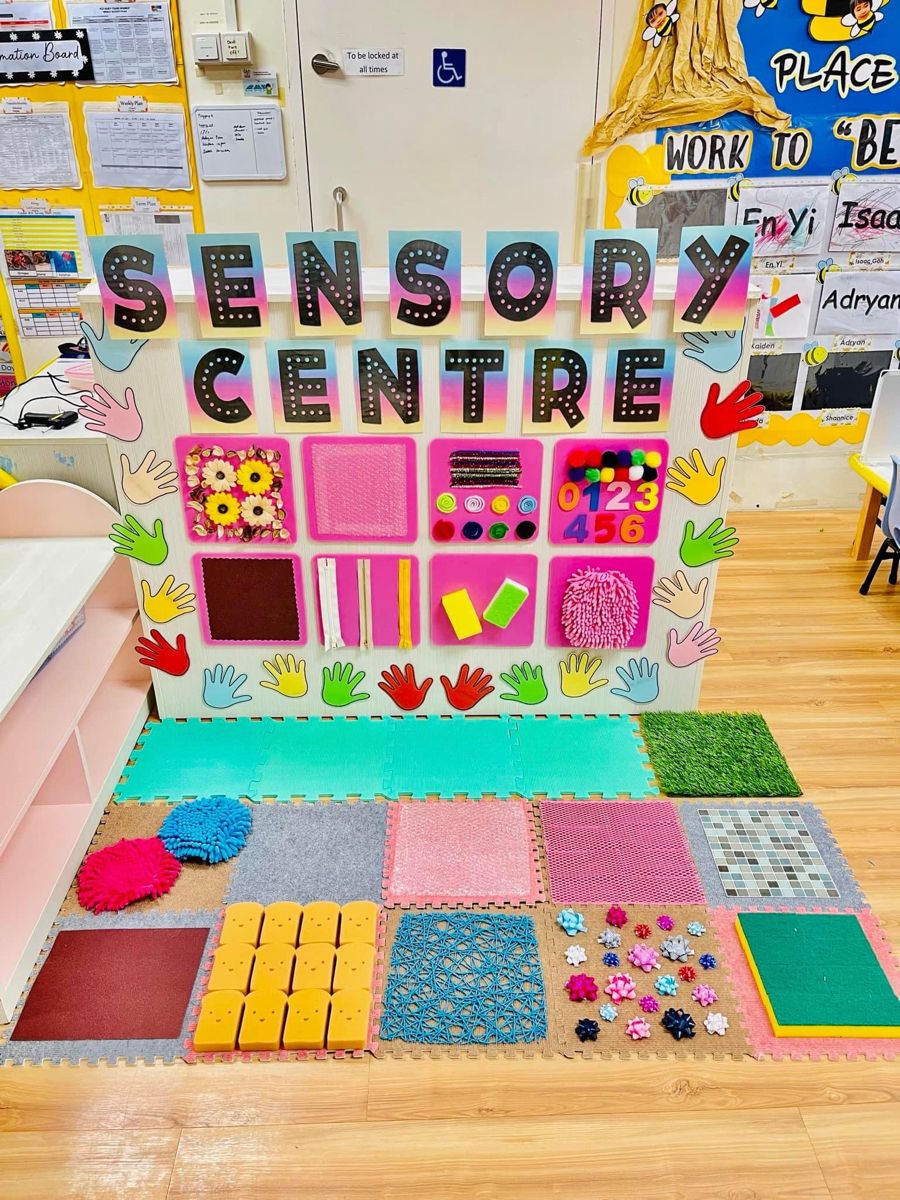
Imagine wearing a shirt woven from steel wool, its seams digging into your shoulders like tiny daggers, its fabric stiff as cardboard. For someone with autism, this isn’t an exaggeration—it’s a daily reality. Sensory processing differences mean that textures, temperatures, and even the weight of clothing can feel overwhelming, distracting, or downright painful. The hum of a tag against the skin isn’t just an annoyance; it’s a distraction that can derail focus, trigger meltdowns, or force a retreat into the safety of familiar, worn-out layers.
Traditional clothing often prioritizes aesthetics over comfort, assuming that everyone experiences fabric the same way. But for autistic individuals, the stakes are higher. A zipper that feels like a zipper bomb, a collar that chafes like sandpaper, or a waistband that digs in like a tourniquet can turn getting dressed into an act of defiance. The result? A cycle of avoidance, where the simple act of choosing an outfit becomes a source of anxiety. Sensory-friendly clothing flips this script by reimagining every element—from the stitching to the stretch—to align with the body’s needs, not the designer’s whims.
Fabric as a Sanctuary: What Makes Clothing Truly Sensory-Friendly?
Not all sensory-friendly clothing is created equal. The best designs are born from a deep understanding of tactile sensitivity, temperature regulation, and pressure preferences. Here’s what sets them apart:
Seamless Construction: Traditional seams can feel like ridges under the skin. Sensory-friendly brands often use flatlock stitching or eliminate seams entirely, creating a smooth, second-skin experience. Think of it as clothing that hugs without gripping.
Tagless Designs: Those little fabric labels aren’t just annoying—they’re sensory landmines. Tagless clothing uses printed or embroidered information instead, eliminating the itch and irritation that tags can cause.
Soft, Stretchy Fabrics: Materials like bamboo, organic cotton, or moisture-wicking synthetics are gentle against the skin. They stretch without pulling, breathe without trapping heat, and move with the body rather than resisting it. For those who crave deep pressure, some brands incorporate compression elements that provide a calming, grounding sensation.
Adjustable Fits: Rigid waistbands and tight cuffs are the enemies of comfort. Sensory-friendly clothing often features elasticated waists, adjustable straps, or magnetic closures that allow for customization without the struggle.
Odor-Resistant and Hypoallergenic: Many autistic individuals are also sensitive to smells. Fabrics treated with antimicrobial finishes or made from naturally odor-resistant materials keep freshness intact without the need for harsh detergents.
These aren’t just minor tweaks—they’re thoughtful redesigns that acknowledge that clothing should serve the wearer, not the other way around.
Brands Leading the Charge: Where to Find Thoughtful Designs
The market for sensory-friendly clothing is growing, but not all brands are equal in their commitment to innovation. Here are some standout names that are redefining what it means to dress comfortably:
Sense-ational You: This brand specializes in clothing that caters to both kids and adults, with a focus on adaptive designs that don’t sacrifice style. Their hoodies, for example, feature hidden sensory panels that provide gentle compression, while their tagless tees use ultra-soft fabrics that feel like a second skin. Their adult and kid hoodie line is a testament to how sensory-friendly clothing can be both functional and fashionable.
UnderStory Healing: More than just a clothing brand, UnderStory Healing approaches sensory needs holistically. Their sensory-friendly kids’ clothing line includes items like seamless leggings and soft, breathable tops designed to minimize distractions. They also offer guidance on creating sensory-friendly wardrobes, recognizing that comfort is a journey, not a destination.
Sensory Smart Clothing: This brand takes a scientific approach, collaborating with occupational therapists to design clothing that addresses specific sensory challenges. Their adaptive pants, for instance, feature adjustable waistbands and reinforced knees for durability, while their tops are made from temperature-regulating fabrics that adapt to the wearer’s body.
Soft Clothing Company: True to its name, this brand prioritizes softness above all else. Their entire line is made from ultra-gentle fabrics, with flat seams and no tags. They also offer a range of sensory-friendly accessories, like seamless socks and compression gloves, for those who need extra support.
Each of these brands brings something unique to the table, whether it’s a focus on compression, temperature regulation, or sheer softness. The common thread? A commitment to listening to the needs of neurodivergent individuals and translating those needs into wearable solutions.
The Hidden Challenges: Navigating the Sensory-Friendly Market
While the rise of sensory-friendly clothing is a cause for celebration, it’s not without its pitfalls. The market is still young, and not all brands live up to their promises. Here’s what to watch out for:
Greenwashing: Some brands slap the “sensory-friendly” label on clothing that’s merely softer than average, without addressing the core issues like seamless construction or adjustable fits. Always check the fine print—look for details on fabric composition, stitching, and design features.
Limited Size Ranges: Sensory-friendly clothing is often marketed toward children, leaving adults with sensory needs struggling to find options that fit. Some brands are expanding their size ranges, but progress is slow. Seek out brands that prioritize inclusivity in sizing.
Style Sacrifices: Let’s be honest—some sensory-friendly clothing leans heavily into the utilitarian, sacrificing aesthetics for function. The best brands strike a balance, offering designs that are both comfortable and stylish. Don’t settle for clothing that makes the wearer feel like they’re wearing a medical device.
Cost Barriers: High-quality sensory-friendly clothing often comes with a higher price tag, thanks to the specialized materials and construction methods. While it’s an investment in comfort, it’s not always accessible. Look for sales, secondhand options, or brands that offer payment plans to make these essentials more attainable.
The key is to approach the market with a critical eye, asking not just “Is this sensory-friendly?” but “How does it address my specific needs?”
Beyond the Basics: Accessories and Add-Ons for Enhanced Comfort
Sensory-friendly clothing isn’t limited to shirts and pants. Accessories play a crucial role in creating a fully sensory-friendly wardrobe. Consider these additions:
Seamless Socks: Traditional socks often have bulky seams that can feel like pebbles underfoot. Sensory-friendly socks use flatlock seams or seamless construction to eliminate this irritation. Some even incorporate gentle compression for added comfort.
Tagless Underwear: Underwear is one of the most intimate and sensitive areas of clothing. Tagless, seamless designs reduce friction and irritation, while moisture-wicking fabrics keep the wearer dry and comfortable.
Compression Wear: For those who seek deep pressure input, compression shirts, leggings, or even gloves can provide a calming, grounding sensation. These aren’t just for medical use—they’re a tool for self-regulation and comfort.
Sensory-Friendly Shoes: Shoes are a sensory minefield, from the stiffness of soles to the tightness of laces. Brands like Soft Star Shoes and Billy Footwear offer designs with wide openings, stretchy fabrics, and no laces, making them ideal for those who struggle with footwear.
These accessories might seem small, but they can make a world of difference in reducing sensory overload and enhancing daily comfort.
Dressing for Confidence: The Psychological Impact of Sensory-Friendly Clothing
Comfort isn’t just physical—it’s psychological. When clothing no longer feels like a battle, it frees up mental energy for other pursuits. For autistic individuals, this can translate to increased confidence, reduced anxiety, and a greater willingness to engage with the world. A child who no longer dreads getting dressed is a child who can focus on learning, playing, and exploring. An adult who isn’t constantly distracted by discomfort can fully immerse themselves in work, social interactions, or creative endeavors.
Sensory-friendly clothing isn’t about hiding differences—it’s about honoring them. It’s a quiet rebellion against a world that often demands conformity at the expense of comfort. By choosing clothing that aligns with sensory needs, individuals and their families are making a powerful statement: “I deserve to feel good in my skin, literally.”
The ripple effects of this shift are profound. When someone feels comfortable in their clothing, they’re more likely to participate in activities, try new things, and embrace their unique identity. Sensory-friendly clothing isn’t just about fabric—it’s about fostering independence, self-expression, and a sense of belonging.
Final Threads: Weaving Comfort into Everyday Life
Sensory-friendly clothing is more than a niche market—it’s a movement toward inclusivity, empathy, and thoughtful design. The brands leading this charge are proving that comfort and style aren’t mutually exclusive, and that dressing well shouldn’t come at the cost of feeling good. Whether you’re a parent searching for the perfect outfit for your child or an adult navigating sensory sensitivities, the right clothing can be a game-changer.
So, the next time you’re faced with the daily ritual of getting dressed, ask yourself: Is this clothing serving me, or am I serving it? If the answer isn’t a resounding “yes,” it might be time to rethink your wardrobe. After all, the best clothing doesn’t just cover the body—it nurtures the soul.
The fabric of our lives is woven with threads of comfort, choice, and confidence. It’s time to make sure every stitch aligns with what we truly need.