Teaching autistic students requires an adaptive approach that embraces individuality, respects varied communication styles, and fosters meaningful engagement. Autistic learners possess a rich spectrum of abilities and challenges, making standardized teaching methods often insufficient. The best teaching methods weave together evidence-based strategies, creative flexibility, and compassionate understanding to unlock each student’s potential. This article delves deeply into essential pedagogy tailored for autistic students, highlighting practical techniques, multimodal content, and environments conducive to meaningful learning.
Understanding the Diverse Needs of Autistic Students
Before implementing instructional strategies, it is paramount to acknowledge the heterogeneity among autistic learners. Some students may be nonverbal or have limited speech, while others communicate fluently but struggle with social pragmatics. Sensory sensitivities, cognitive differences, and varying attention spans also play a pivotal role in how students absorb and process information. Therefore, educational content must be meticulously calibrated and differentiated, emphasizing individualized education plans (IEPs) and collaborative goal-setting with caregivers and specialists.
Comprehending these divergent needs influences the selection of teaching methods that resonate best with each learner. For example, visual and tactile learners might flourish with graphic organizers and hands-on activities, whereas others benefit from predictable routines and structured tasks. Recognizing and embracing these variations lays the groundwork for impactful instruction.
Utilizing Visual Supports and Augmentative Communication
Visual supports serve as an indispensable conduit for understanding and expression among many autistic students. This category encompasses picture exchange communication systems (PECS), visual schedules, social stories, and graphic organizers, which collectively reduce ambiguity and anxiety. These supports enable learners to anticipate transitions, comprehend complex instructions, and communicate needs effectively without relying solely on verbal language.
Instructors should integrate high-quality visual materials that are clear, consistent, and contextually relevant. Employing visual aids not only scaffolds comprehension but also bolsters autonomy, enabling students to self-regulate and navigate educational settings with increased confidence.

Incorporating Multi-Sensory Learning Experiences
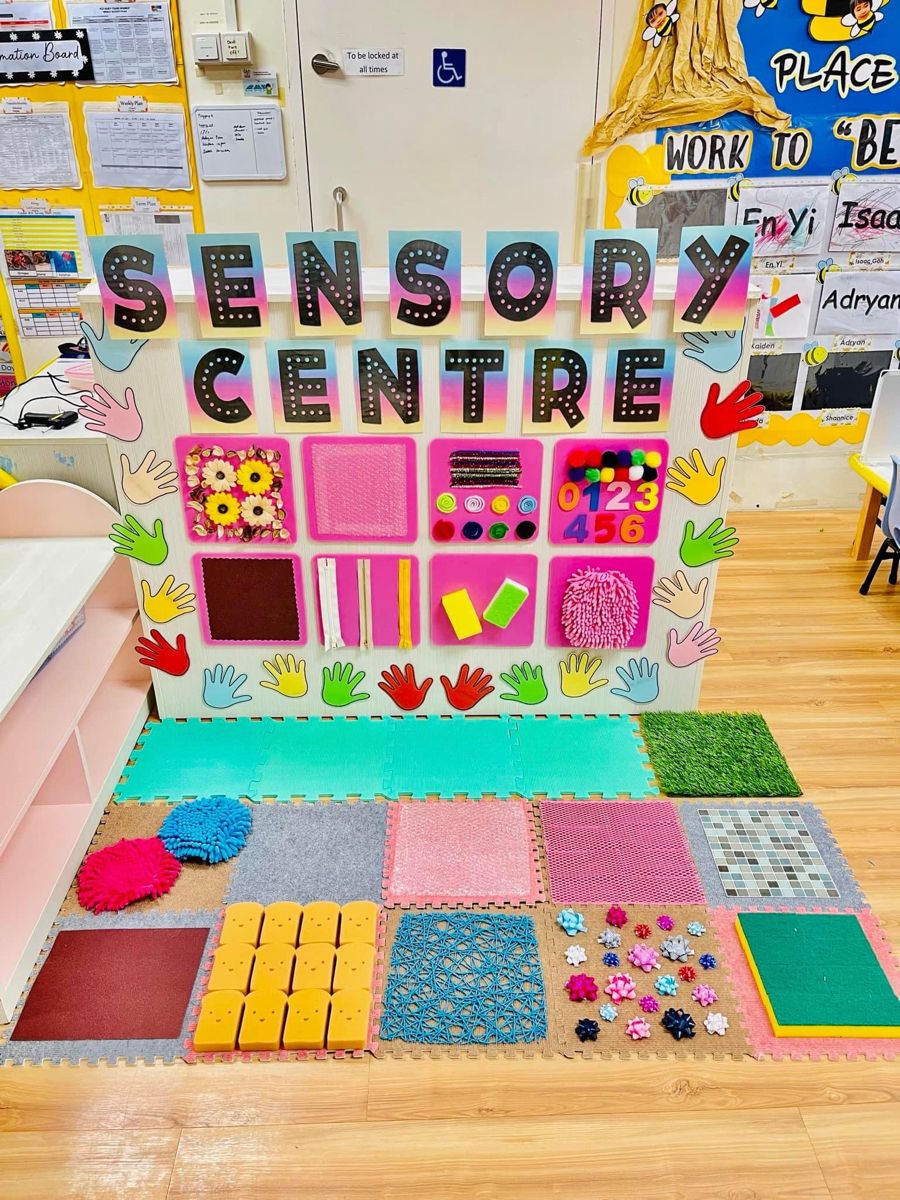
Multi-sensory teaching methods exploit the interplay of visual, auditory, kinesthetic, and tactile modalities to enhance cognitive engagement. These approaches cater to the sensory preferences and thresholds unique to each autistic student, making learning both accessible and stimulating.
Practical applications include manipulatives for math concepts, textured materials for tactile exploration, and rhythm-based activities for language development. Such immersive experiences facilitate neural plasticity and deepen retention by providing diverse avenues for processing information. Moreover, these methods can alleviate frustration linked to mono-sensory instruction, instilling a sense of accomplishment.
Implementing Structured Teaching and Predictable Routines
Structure forms the cornerstone of many successful educational programs for autistic learners. Clear routines, consistent schedules, and explicitly defined expectations reduce cognitive load and behavioral unpredictability. Using frameworks like the TEACCH (Treatment and Education of Autistic and Communication Handicapped Children) model, educators create visually organized environments that promote independence.
Classroom spaces arranged with delineated workstations and carefully sequenced activities empower students to anticipate their day and maintain focus. Explicit instruction combined with routine minimizes anxiety, enabling learners to navigate tasks methodically. When deviations from schedules occur, preparatory visual cues can ease transitions and maintain engagement.

Leveraging Technology and Assistive Devices
Technological innovations offer a burgeoning array of tools that accommodate diverse communication and learning needs. From speech-generating devices to interactive tablets and specialized apps, technology can empower autistic students to communicate more effectively and participate actively in their education.
Assistive technology facilitates personalized learning pathways and can be integrated seamlessly into various subjects. For instance, visual timers help manage time-related anxiety, while digital storybooks and phonics apps enhance literacy skills. The incorporation of technology should always be purposeful, aligned with the learner’s goals and preferences, and complemented with appropriate training for educators and families.
Emphasizing Social Skills and Emotional Regulation
Social interaction challenges and emotional dysregulation are often significant barriers to academic success for autistic students. Teaching methods should, therefore, incorporate explicit social skills instruction and emotional awareness exercises embedded into the curriculum.
Role-playing scenarios, social narratives, and peer-mediated interventions can scaffold understanding of social cues, turn-taking, and perspective-taking. Additionally, strategies such as mindfulness exercises, sensory breaks, and self-monitoring techniques help students manage stress and sensory overload. Educators who model empathy and cultivate a nurturing classroom climate contribute to the development of interpersonal competencies essential for lifelong success.
Promoting Functional Life Skills and Generalization
Beyond academic achievement, teaching methods must prioritize functional skills that foster independence and community participation. Practical activities involving daily living tasks, money management, and vocational training should be incorporated into individualized instruction.
Generalization—the ability to apply learned skills in varied contexts—is another critical focus. Teachers can embed teaching moments across settings and collaborate with families to reinforce skills at home, ensuring the broad applicability of competencies. This holistic approach underscores education as a vehicle for meaningful life enhancement, not merely academic attainment.
Collaboration and Continuous Professional Development
Optimizing educational outcomes for autistic students requires a multidisciplinary approach that involves educators, therapists, families, and the students themselves. Collaborative planning ensures consistency, adaptability, and responsiveness to evolving needs.
Educators must engage in ongoing professional development to stay abreast of emerging research, strategies, and assistive technologies. Reflective practice and data-driven instruction enable refinement of teaching methods, fostering a learning environment that is both dynamic and supportive.
Conclusion
Teaching autistic students is a nuanced endeavor that demands a spectrum of thoughtful, evidence-based methods tailored to individual profiles. By employing visual supports, multi-sensory experiences, structured routines, and technology integration, educators create an inclusive framework that values each student’s unique talents and challenges. Emphasizing social-emotional learning, functional skills, and collaborative partnerships ensures education transcends conventional academic boundaries, paving the way for meaningful growth and empowerment. Through these comprehensive teaching strategies, educators can profoundly impact the lives of autistic learners, fostering environments where they not only learn but thrive.