Have you ever wondered what independence truly means for someone with autism? Is it just about performing daily tasks, or does it extend far beyond routine activities to encompass confidence, decision-making, and self-advocacy? Teaching life skills to individuals on the autism spectrum is a multifaceted challenge that beckons creativity, patience, and profound understanding. Unraveling the complexities of autism and its interplay with independence reveals a rich tapestry of opportunities and obstacles, inviting caregivers, educators, and communities to rethink conventional approaches.
Understanding the Nuances of Independence in Autism
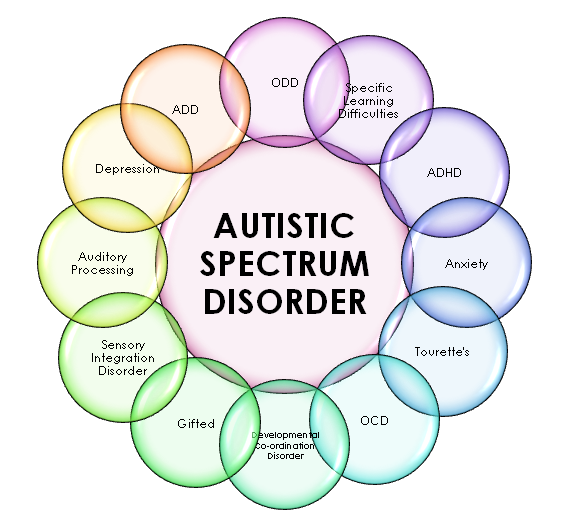
Independence is often perceived as the ability to function autonomously, yet for individuals with autism, this concept is layered with unique implications. Autism spectrum disorder encompasses a wide range of functional abilities and support needs, making the journey toward independence highly individualized. The quintessential challenge lies not only in mastering physical or cognitive tasks but also in navigating sensory sensitivities, communication idiosyncrasies, and social intricacies.
True independence involves more than completing daily rituals; it demands the cultivation of adaptive skills that encourage problem-solving, emotional regulation, and executive functioning. These skills form the cornerstone of an empowered life where the individual can confidently engage with the world around them, make informed choices, and assert their preferences.
Foundations of Life Skills: Beyond Basic Tasks
Embarking on the path to independence starts with laying a solid foundation of essential life skills. While routine activities such as personal hygiene, dressing, and simple meal preparation are critical, it is equally imperative to integrate skills that foster critical thinking and social engagement.
Nurturing life skills can be broadly categorized into three domains: practical, social, and cognitive. Practical skills include time management, money handling, and navigating public transportation—tools that enable daily functioning. Social skills, often a primary area of difficulty for those with autism, encompass communication, interpreting social cues, and developing relationships. Cognitive skills involve planning, organization, and adapting to change. Addressing these interconnected areas ensures a holistic approach that transcends mere task completion.
Strategies for Teaching Life Skills Effectively
How does one transform teaching from a daunting endeavor into an engaging and effective process? The answer lies in personalized methodologies that recognize the individual’s strengths and challenges. Structured teaching, visual supports, and repetitive practice are cornerstones of successful skill acquisition.
Visual schedules, social stories, and video modeling help translate abstract concepts into concrete understanding. Creating a consistent routine bolsters predictability, thereby reducing anxiety and promoting engagement. It is crucial to set achievable goals that incrementally build on prior success, cultivating self-efficacy and motivation.
Moreover, embedding opportunities for generalization—the ability to apply learned skills across different environments and contexts—cannot be overstated. A skill practiced only in therapy or at home loses its utility if it does not transfer to school, work, or community settings. Incorporating real-life scenarios, role-playing, and community outings serves to solidify and expand competence.
Overcoming Sensory and Communication Barriers
Autism often entails sensory processing differences that can impede independence. A heightened sensitivity to noise, textures, or sensory overload may interfere with daily routines or social interactions. Addressing sensory needs is paramount to creating an optimal learning environment where life skills acquisition can flourish.
Equally pivotal is tailoring communication approaches. Since some individuals with autism are nonverbal or have difficulty articulating needs, alternative communication modalities such as picture exchange systems, speech-generating devices, or sign language become essential. Empowering individuals with tools to express preferences and make choices enhances autonomy.

The Role of Family and Community Support
Independence does not occur in isolation. The scaffolding provided by family, educators, and the broader community is indispensable. Families who adopt a nurturing yet empowering stance create an environment where mistakes are viewed as learning opportunities and achievements as celebratory milestones.
Communities that embrace inclusivity amplify the potential for social integration and access to resources. Peer mentoring programs, employment training, and recreational activities designed with accessibility in mind broaden horizons and reinforce a sense of belonging. Collaboration among professionals—therapists, educators, social workers—and families ensures consistency and amplifies progress.
Technology as an Enabler of Independence
Innovations in technology have dramatically expanded the toolkit available for teaching life skills. From apps that assist with scheduling and reminders to devices that support communication, technology offers bespoke solutions that cater to individual needs.
Assistive technology can also aid in financial management, transportation navigation, and even vocational training. Leveraging these tools not only accelerates skill acquisition but also fosters confidence as individuals witness tangible empowerment through the interface of technology and personal capability.
Looking Forward: Lifelong Learning and Adaptability
Independence is not a finite destination but a continuum that evolves throughout life. The dynamic nature of autism means that life skills must be continually assessed and refined in response to changing circumstances, aspirations, and environments.
Embedding a mindset of lifelong learning encourages adaptability and resilience. It invites individuals to embrace new challenges, acquire advanced skills, and seek meaningful participation in society. Cultivating independence is a journey that celebrates growth in all its forms—small or monumental.

Ultimately, teaching life skills to individuals with autism is an artful balance between challenge and support. It requires visionary approaches that recognize the profound potential within each person and the myriad ways independence can manifest. With patience, innovation, and collaboration, independence becomes not just an aspiration but a lived reality—rich with possibility, dignity, and hope.