In an era where diversity, equity, and inclusion are no longer optional but essential, the conversation around autism in the workplace has shifted from mere awareness to actionable change. The modern office is no longer a monolithic space of rigid expectations but a mosaic of unique talents, perspectives, and needs. Yet, for neurodivergent individuals—particularly those with autism—the path to professional fulfillment remains fraught with systemic barriers. These barriers are not always overt; they are often woven into the fabric of workplace culture, policies, and unspoken norms. Understanding autism and workplace rights is not just about compliance with laws; it’s about reimagining what productivity, collaboration, and success can look like when accommodations are not afterthoughts but foundational pillars of organizational design.
The journey toward equitable employment for autistic individuals begins with recognizing that their differences are not deficits. Autism spectrum disorder (ASD) manifests in a spectrum of strengths—hyperfocus, pattern recognition, deep expertise in niche subjects, and an unparalleled commitment to detail. Yet, these strengths are frequently overshadowed by challenges such as sensory sensitivities, social communication nuances, or executive function hurdles. The key lies not in forcing conformity but in dismantling the invisible walls that prevent autistic employees from thriving. This requires a dual approach: robust legal protections and proactive workplace accommodations that go beyond token gestures. The result? A workplace that doesn’t just tolerate diversity but celebrates it as a catalyst for innovation and resilience.
The Legal Backbone: Rights That Empower, Not Just Protect
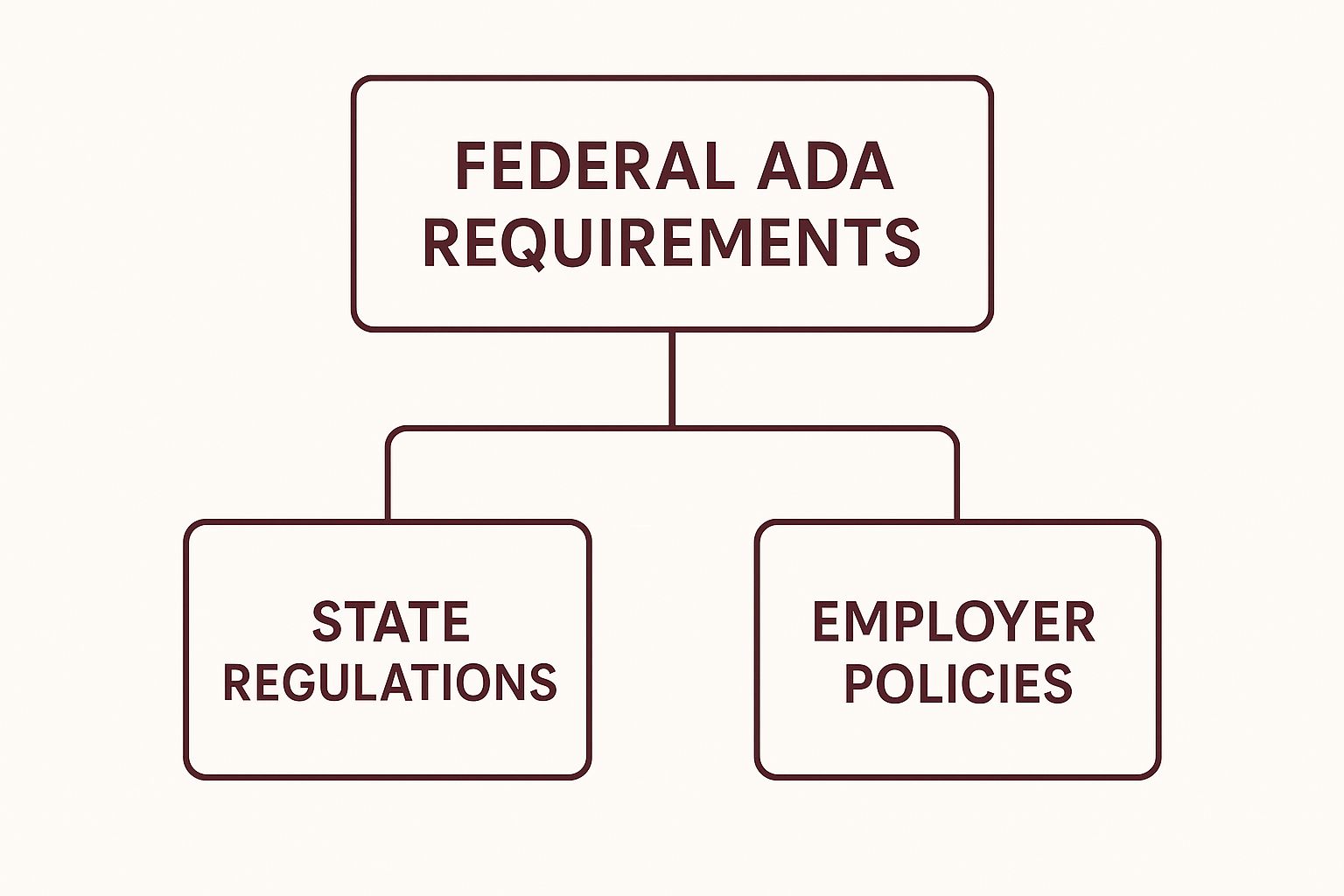
At the heart of autism and workplace rights lies a framework of legislation designed to level the playing field. In the United States, the Americans with Disabilities Act (ADA) stands as a cornerstone, prohibiting discrimination against individuals with disabilities—including autism—in all aspects of employment. This includes hiring, promotions, job assignments, and termination. The ADA’s reach extends to requiring employers to provide “reasonable accommodations” unless doing so would impose an “undue hardship” on the business. But what constitutes a reasonable accommodation? The answer is as varied as the individuals it serves.
For an autistic employee overwhelmed by fluorescent lighting, a simple adjustment like allowing natural light or providing noise-canceling headphones can transform their workday. For another, flexible scheduling to accommodate therapy sessions or periods of burnout might be the difference between perseverance and resignation. The law doesn’t demand perfection; it demands good faith. Employers are not expected to be mind readers, but they are expected to engage in an interactive process—a dialogue where both parties collaborate to identify solutions. This process, though often overlooked, is where the rubber meets the road. It’s not enough to have policies on paper; they must be applied with empathy and adaptability.
Beyond the ADA, other legal protections further fortify these rights. The Rehabilitation Act of 1973, which applies to federal agencies and contractors, mirrors the ADA’s provisions while adding layers of accountability. State-level laws, such as California’s Fair Employment and Housing Act or New York’s Human Rights Law, often expand protections, offering additional recourse for employees. Internationally, frameworks like the United Nations Convention on the Rights of Persons with Disabilities (UNCRPD) urge countries to adopt inclusive employment practices, though implementation varies widely. The message is clear: rights are not abstract; they are enforceable, and they demand action.
Accommodations That Transcend the Ordinary
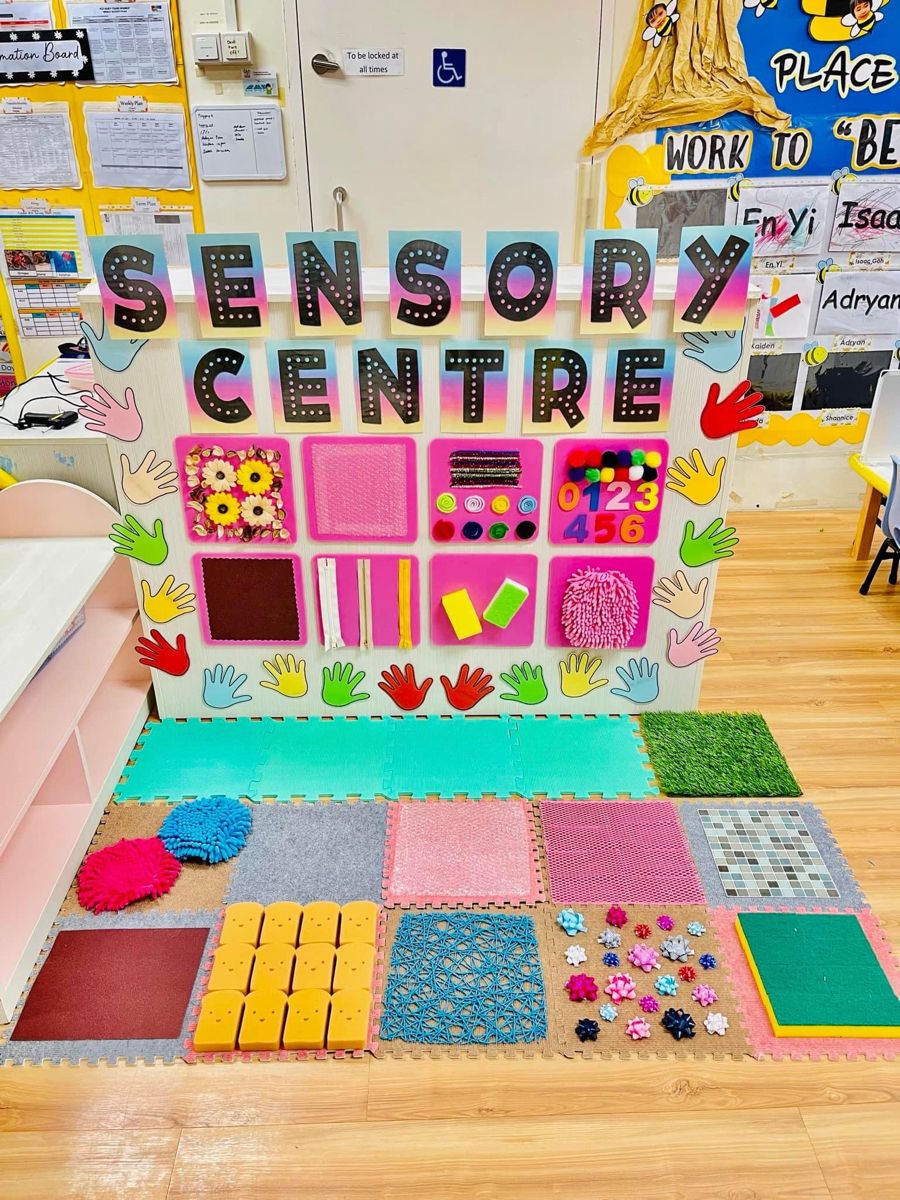
Accommodations for autistic employees are not one-size-fits-all; they are as unique as the individuals they serve. Yet, some strategies have emerged as particularly effective in bridging the gap between potential and performance. One such strategy is the implementation of sensory-friendly workspaces. Open-plan offices, while trendy, can be a minefield for those with sensory processing differences. The hum of conversations, the glare of screens, the scent of synthetic materials—each can be a distraction or a source of distress. Simple adjustments, such as designated quiet zones, adjustable lighting, or permission to use fidget tools, can mitigate these challenges. The goal is not to create an echo chamber but to design environments where focus is possible without sacrifice.
Another critical accommodation is the provision of clear, structured communication. Autistic individuals often thrive in environments with explicit expectations, predictable routines, and written instructions. Vague directives like “handle this project” can lead to paralysis, whereas detailed outlines—including deadlines, deliverables, and success metrics—empower employees to take ownership. Tools like project management software, visual schedules, or even color-coded calendars can provide the scaffolding needed to navigate complex tasks. For roles requiring collaboration, asynchronous communication (e.g., email or messaging platforms) can be a game-changer, allowing individuals to process information at their own pace without the pressure of real-time interaction.
Flexibility in work arrangements is another cornerstone of effective accommodation. Remote work, for instance, has proven to be a boon for many autistic employees, eliminating commuting stressors and providing control over their environment. Hybrid models, where employees split time between office and home, offer a middle ground, allowing for in-person collaboration while preserving autonomy. Even within traditional office settings, accommodations like staggered hours or remote meeting attendance can make a significant difference. The pandemic proved that work can adapt; the challenge now is to ensure these adaptations endure beyond crisis mode.
Breaking Down Barriers: The Role of Employers and Society
The responsibility for creating inclusive workplaces does not rest solely on the shoulders of autistic employees. Employers play a pivotal role in dismantling systemic barriers, and their commitment—or lack thereof—shapes the trajectory of careers. Leadership buy-in is non-negotiable. When executives prioritize neurodiversity, it sends a ripple effect through the organization, fostering a culture where accommodations are not seen as favors but as standard operating procedure. Training programs that educate managers and teams about autism—its strengths, challenges, and communication styles—can dismantle misconceptions and reduce stigma. After all, ignorance is the enemy of inclusion.
Yet, even the most well-intentioned employers can fall short if accommodations are treated as checkboxes rather than ongoing dialogues. The interactive process mandated by the ADA is not a one-time event; it’s a continuous conversation. Regular check-ins, anonymous feedback mechanisms, and employee resource groups (ERGs) for neurodivergent staff can provide insights into what’s working and what’s not. Moreover, employers must be willing to challenge their own biases. For example, the assumption that autistic employees lack social skills or creativity is a myth that stifles potential. In reality, many autistic individuals excel in roles requiring precision, analytical thinking, or innovative problem-solving—fields where neurotypical perspectives might overlook subtle patterns.
Society, too, has a role to play in reshaping perceptions of autism in the workplace. Media portrayals often reduce autistic individuals to stereotypes—either as savants with extraordinary talents or as burdens requiring constant care. Neither narrative captures the full spectrum of human experience. By amplifying authentic voices—through storytelling, advocacy, and representation—we can shift the conversation from pity to possibility. When autistic employees are seen as assets rather than liabilities, the entire workforce benefits. Diversity of thought leads to innovation, resilience, and solutions that might never emerge in homogeneous environments.
The Ripple Effect: Why Inclusion Benefits Everyone
The advantages of a neurodiverse workplace extend far beyond compliance or corporate social responsibility. Studies have shown that teams with neurodivergent members often outperform homogeneous groups in problem-solving, attention to detail, and creative thinking. The reason is simple: different cognitive styles bring different strengths. An autistic employee might notice a flaw in a process that a neurotypical colleague overlooks. Another might develop a novel approach to a long-standing challenge. When these strengths are harnessed, the entire organization gains a competitive edge.
Inclusion also fosters a culture of psychological safety, where employees feel valued not despite their differences but because of them. This safety net encourages risk-taking, experimentation, and the sharing of unconventional ideas—ingredients essential for growth in any industry. Moreover, inclusive workplaces attract top talent. In a job market where candidates prioritize values like diversity and equity, organizations that champion neurodiversity position themselves as employers of choice. This is not just about optics; it’s about building a workforce that reflects the communities they serve.
There’s also an economic imperative. The unemployment rate for autistic adults hovers around 80% in many countries, a statistic that reflects not a lack of ability but a lack of opportunity. When autistic individuals are gainfully employed, they contribute to tax revenues, reduce reliance on social services, and stimulate local economies. The cost of exclusion—both human and financial—is staggering. Conversely, the benefits of inclusion are compounding: higher productivity, lower turnover, and a reputation as a forward-thinking employer.
Looking Ahead: A Future of Possibility
The path forward is not without its challenges. Legal protections, while robust, are only as effective as their enforcement. Many autistic employees hesitate to request accommodations due to fear of discrimination or retaliation. Others navigate workplaces where managers lack training or where accommodations are denied under the guise of “undue hardship.” The solution lies in a combination of advocacy, education, and systemic change. Policymakers must close loopholes in existing laws, ensuring that protections are not eroded by corporate interests. Employers must move beyond performative allyship to tangible action, embedding neurodiversity into their core values. And society must continue to challenge its own biases, recognizing that disability is not a limitation but a different way of engaging with the world.
For autistic individuals, the future holds promise. As awareness grows, so too does the recognition that the workplace is not a place to be tolerated but a place to thrive. The narrative is shifting from “How can we accommodate them?” to “How can we harness their potential?” This shift is not just about justice; it’s about unlocking untapped potential. It’s about creating workplaces where everyone—regardless of neurotype—can bring their full selves to work and leave knowing they are seen, valued, and essential.
The journey toward autism and workplace rights is far from over. But with each accommodation provided, each barrier dismantled, and each mind opened to new possibilities, we move closer to a world where difference is not just accepted but celebrated. The office of tomorrow will not be a place of conformity but a canvas of diversity, where every brushstroke—no matter how unconventional—contributes to a masterpiece of innovation and collaboration.