Being an ally to the autistic community is much like tending to a unique and intricate garden—one that flourishes under attentive care, understanding, and respect for its diverse blooms. This garden isn’t uniform or predictable. It thrives on individuality and authenticity, inviting us to step away from preconceived notions and embrace a spectrum of experiences. To be an ally in this context means more than passive acceptance; it requires active engagement, deep listening, and deliberate action to cultivate a world where autistic voices are not only heard but cherished.
Decoding the Spectrum: Embracing Neurodiversity
The vast landscape of autism is often mistakenly seen through a narrow lens, obscuring its true richness. Autism is not a monolith but a kaleidoscope of neurology—each individual colored uniquely by their sensory perceptions, communication styles, and cognitive processes. To be an ally is to recognize and celebrate this neurodiversity. It means stepping beyond stereotypical caricatures and appreciating the extraordinary ways autistic individuals experience and interpret the world.
This appreciation demands a shedding of ableist perspectives that seek to fit everyone into a normative mold. Instead, it requires embracing an expansive mindset where differences are not deficits but integral to the human mosaic. Just as a garden thrives with a variety of plants, each contributing differently to the ecosystem, society thrives when it values neurodiverse contributions.
Listening as an Act of Respect
Allyship begins with listening—a gesture that might seem simple but holds profound significance. Listening to autistic voices means more than hearing words; it involves attuning to nuances that might deviate from conventional communication. Many autistic individuals employ unique modes of expression—whether through nonverbal cues, written communication, or distinctive speech patterns.
True listening dissolves impatience and replaces it with curiosity. It refuses to interrupt or reinterpret according to preconceived notions, instead allowing autistic individuals to define their own narratives. This act of respect validates identities and experiences, serving as the soil in which mutual understanding grows.
Advocating for Accessibility and Inclusion
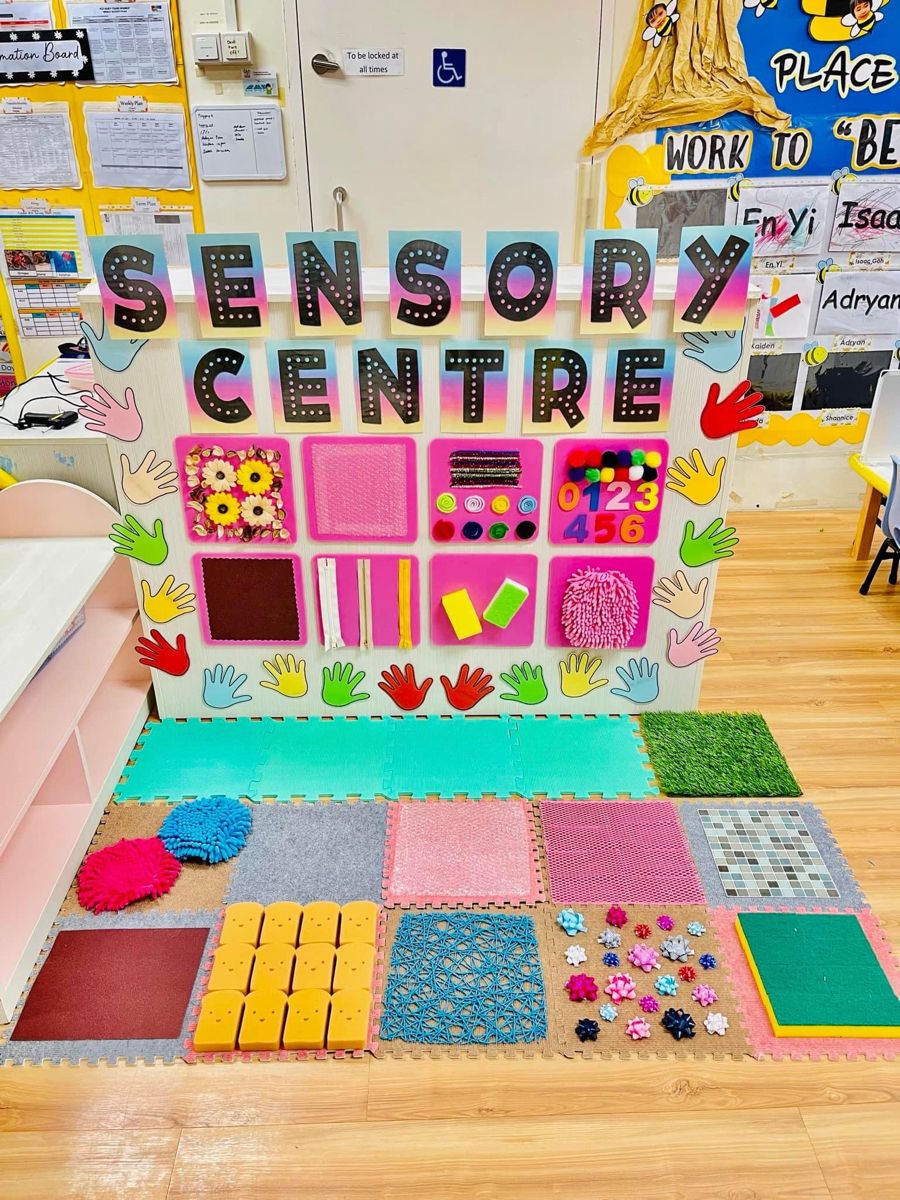
Inclusion is not a buzzword—it is the cornerstone upon which equitable societies are built. An ally acts as a gardener who carefully removes barriers that stifle growth. Accessibility, in this light, must be multifaceted, encompassing sensory accommodations, flexible communication options, and consideration of diverse learning needs.
Physical spaces, digital platforms, workplaces, and educational environments all require thoughtful adaptations. These may include providing quiet zones, visual supports, or alternative communication devices. Allies proactively champion policies and practices that recognize these necessities, ensuring autistic individuals can participate fully and authentically.
Confronting Stigma and Dispelling Myths
The path to allyship winds through the often shadowed terrain of stigma and misinformation. Cultural myths about autism—portraying autistic individuals as ‘less than’ or inherently troubled—erode self-esteem and fuel discrimination. Allies confront these fallacies by educating themselves and others with unvarnished truth and compassion.
This involves challenging pejorative language and shifting discussions from ‘fixing’ or ‘curing’ autism to fostering understanding and respect. It also means dismantling harmful narratives in media and popular culture, advocating for accurate representation that highlights abilities, dreams, and individuality rather than deficits.
Uplifting Autistic Leadership and Agency
Empowerment is the lifeblood of authentic allyship. Supporting autistic community leaders, advocates, and creatives means amplifying voices that have been historically marginalized. Allies create platforms for autistic individuals to lead conversations about their lives and needs.
This collaboration honors autonomy and resists paternalism. Being an ally is synonymous with standing beside, not in front of or behind. It is providing tools and resources, then stepping back to watch the garden flourish under its own vibrant terms.

Practicing Patience and Compassion
Just as a gardener must patiently tend to delicate plants, allies must exercise patience and compassion in their interactions. Autistic people may navigate social nuances differently, require more processing time, or use repetition as a coping mechanism.
The cadence of real allyship is not hurried or transactional; it is enduring and resilient. It accepts imperfection, acknowledges misunderstandings, and commits to continual learning. Compassion here means honoring the human experience without judgment or assumption, building trust that nurtures genuine connections.
Engaging in Continuous Education and Reflection
Allyship is not a static achievement but an evolving journey. The knowledge landscape surrounding autism is dynamic, and new perspectives emerge regularly from within the community. Committed allies seek out resources, attend workshops, and partake in dialogues that expand their understanding.
Equally important is introspection: examining one’s biases, actions, and privilege. This reflective practice guards against performative allyship and ensures actions align with the values of support and inclusivity.
The Ripple Effect: Creating Broader Societal Change
When allies cultivate empathy, awareness, and accessibility, their influence extends beyond individual interactions. A single seed of kindness can burgeon into societal shifts—policy reforms, educational transformation, and public acceptance. This collective awakening reshapes communities into inclusive ecosystems where autistic individuals can thrive unencumbered by prejudice or exclusion.
Such change demands courage and persistence, but it holds the promise of a future where every person’s neurodivergence is woven seamlessly into the fabric of human experience.
In the end, to be an ally to the autistic community is to become a steward of compassion and understanding—an unwavering presence that honors every flourishing stem and leaf in this vast, beautiful garden. It is a commitment to nurturing diversity, eradicating barriers, and celebrating the extraordinary spectrum of human existence.