Imagine stepping into a vast garden filled with an assortment of plants—some towering and vibrant, others delicate and slow to bloom. Applied Behavior Analysis (ABA) therapy is often portrayed as the seasoned gardener’s approach, pruning, nurturing, and shaping behaviors to help children with autism spectrum disorder blossom in their environments. Yet, like any meticulous craft, the practice is not without its critics. Is ABA therapy harmful? This question ignites a fervent debate, weaving together perspectives from personal experience, clinical evidence, and ethical considerations. In this exploration, the delicate balance of nurturing versus controlling will be teased apart, revealing the complexities that lie beneath the surface of ABA therapy.
The Roots of ABA: What Underpins This Approach?
To understand the controversy, one must first grasp the foundational soil from which ABA springs. Originally developed in the 1960s, ABA therapy focuses on observable behaviors, employing reinforcement techniques to encourage desirable actions and diminish those deemed maladaptive. It operates with a precision akin to a watchmaker, dissecting behavior into measurable components and adjusting environmental variables to promote learning and adaptation.
ABA’s unique appeal lies in its rigor and systematic methodology. For many families, it represents a beacon of hope—a structured roadmap that promises enhanced communication skills, social interaction, and independence. The therapy’s evidence-based framework has demonstrated positive outcomes for numerous individuals, cementing its status as a cornerstone in autism intervention.
The Thorny Critiques: Why Some View ABA as Harmful
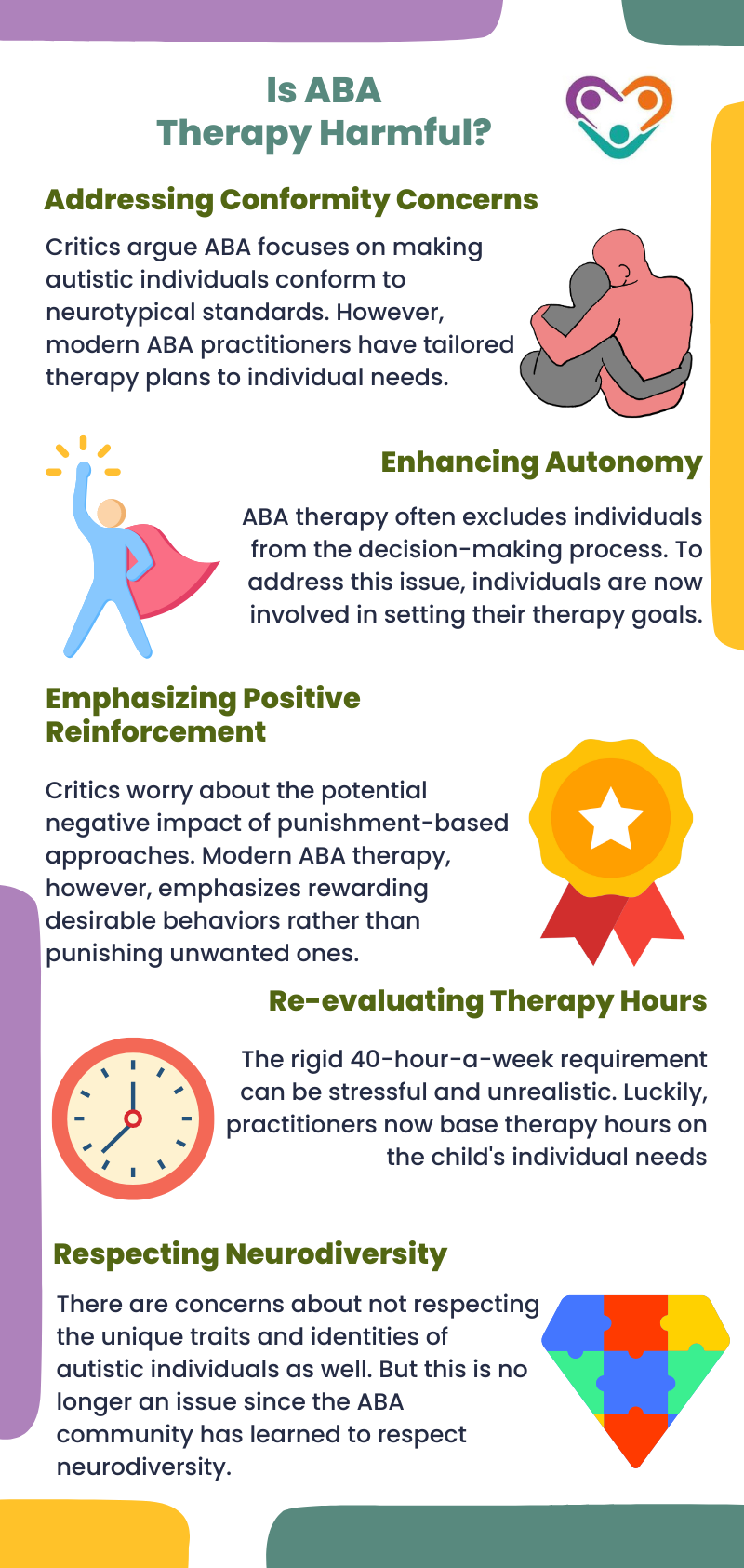
Despite these successes, ABA therapy is not without its detractors. Critics argue that the approach can resemble a form of behavioral chrysalis—constraining natural self-expression under the guise of conformity. The metaphorical pruning shears, though intended to nurture, may inadvertently clip away authentic behaviors, fostering emotional distress or a sense of erasure.
Central to this critique is the concern that ABA focuses excessively on compliance and normalization. Some survivors and advocates articulate that the therapy’s emphasis on modifying behaviors can be experienced as coercive or punitive, especially when it disregards the internal emotional landscape of the individual. For them, ABA is less a supportive gardener and more a relentless overseer who prioritizes societal comfort over personal autonomy.

Ethical Considerations: Navigating Autonomy and Consent
The debate extends into the ethical realm, where questions about autonomy, consent, and the right to self-determination loom large. Children receiving ABA therapy often lack the capacity to consent fully, placing immense responsibility on therapists and families to balance intervention with respect for the child’s individuality.
This raises complex dilemmas: to what extent should a therapy reshape fundamental behaviors to fit external norms? At what point does intervention become suppression? Ethical practitioners emphasize the necessity of individualized programming that honors the child’s preferences, fosters positive motivation rather than punishment, and continuously involves family input. The future of ABA may hinge on evolving toward a more person-centered, respectful framework.
The Evidence Spectrum: Understanding Effectiveness and Variability
The discourse surrounding ABA’s harm or effectiveness is not black and white but rather a spectrum shaded with nuance. Research overwhelmingly showcases the potential benefits of ABA in improving communication, reducing harmful behaviors, and enhancing adaptive skills. However, variability in implementation, intensity, and practitioner expertise significantly impacts outcomes.
When administered thoughtfully, with sensitivity to the individual’s needs and with an emphasis on positive reinforcement, ABA can be transformative. Conversely, rigid, one-size-fits-all applications—especially those that neglect emotional well-being—can produce adverse effects. The metaphor here is that of a powerful medicine: extraordinarily effective when dosed correctly but potentially toxic when misapplied.
Evolving Perspectives: Toward a More Compassionate ABA
Modern iterations of ABA are increasingly informed by the critical voices within the autistic community. Innovations focus on neurodiversity affirming practices that celebrate differences rather than erase them. Therapists now incorporate naturalistic teaching strategies, collaborate closely with families, and prioritize the emotional and sensory experiences of the child.
This paradigm shift invites practitioners to become not just gardeners but respectful stewards of a unique ecosystem. By embracing flexibility and empathy, ABA therapy’s future is being cultivated as a space where growth and individuality coexist harmoniously.

In the final analysis, the question “Is ABA therapy harmful?” cannot be answered with a sweeping generalization. Like any deeply involved caregiving process, its impact depends on who wields the tools and how they are used. When guided by compassion, respect for autonomy, and a commitment to individualized care, ABA can be a constructive force—helping children stretch toward their fullest potential without sacrificing their essence.
Yet, the shadows cast by past missteps and ongoing critiques must not be ignored. The dialogue surrounding ABA therapy is vital, prompting continual reflection and reform. As this conversation evolves, so too does the promise that every child can thrive in an environment tailored not just to societal expectations, but to the vibrant tapestry of their own identity.