The neurodiversity movement has catalyzed a profound shift in how society perceives and supports individuals on the autism spectrum. No longer confined to the periphery of advocacy, autistic voices now lead the charge in reshaping policies, research, and community initiatives. This evolution has given rise to a dynamic ecosystem of autistic-led organizations, each carving its niche in the pursuit of equity, empowerment, and systemic change. These organizations are not merely redefining the narrative around autism—they are dismantling outdated paradigms and constructing new frameworks rooted in lived experience and authentic representation.
Their work spans a vast spectrum of focus areas, from grant funding and research to direct support and public awareness. For readers seeking to understand this transformative landscape, the content they encounter will vary as widely as the communities these organizations serve. Whether you are a caregiver, an educator, a researcher, or an ally, the insights and resources these groups provide can illuminate paths forward that prioritize dignity, autonomy, and inclusion.
The Power of Autistic-Led Advocacy: Amplifying Voices That Matter
Autistic-led organizations operate on the foundational principle that those with lived experience are best positioned to drive meaningful change. This approach challenges the long-standing tradition of non-autistic professionals and caregivers dictating the terms of autism advocacy. By centering autistic voices, these organizations ensure that policies, programs, and research reflect the real needs and aspirations of the community.
One of the most transformative aspects of this advocacy is the emphasis on self-determination. Autistic individuals are no longer passive recipients of services but active architects of their own futures. Organizations in this space often prioritize initiatives that foster independence, such as vocational training programs, peer support networks, and leadership development opportunities. These efforts not only empower individuals but also challenge societal perceptions of what autistic people can achieve.
The impact of autistic-led advocacy extends beyond individual empowerment. It has also sparked a reevaluation of systemic practices, from education to healthcare. For instance, many autistic-led organizations advocate for the elimination of harmful therapies and the adoption of strength-based approaches that honor neurodivergent ways of thinking and being. Their work is a testament to the power of authenticity in driving progress.
Grant Funding Cycles: Investing in Autistic Futures
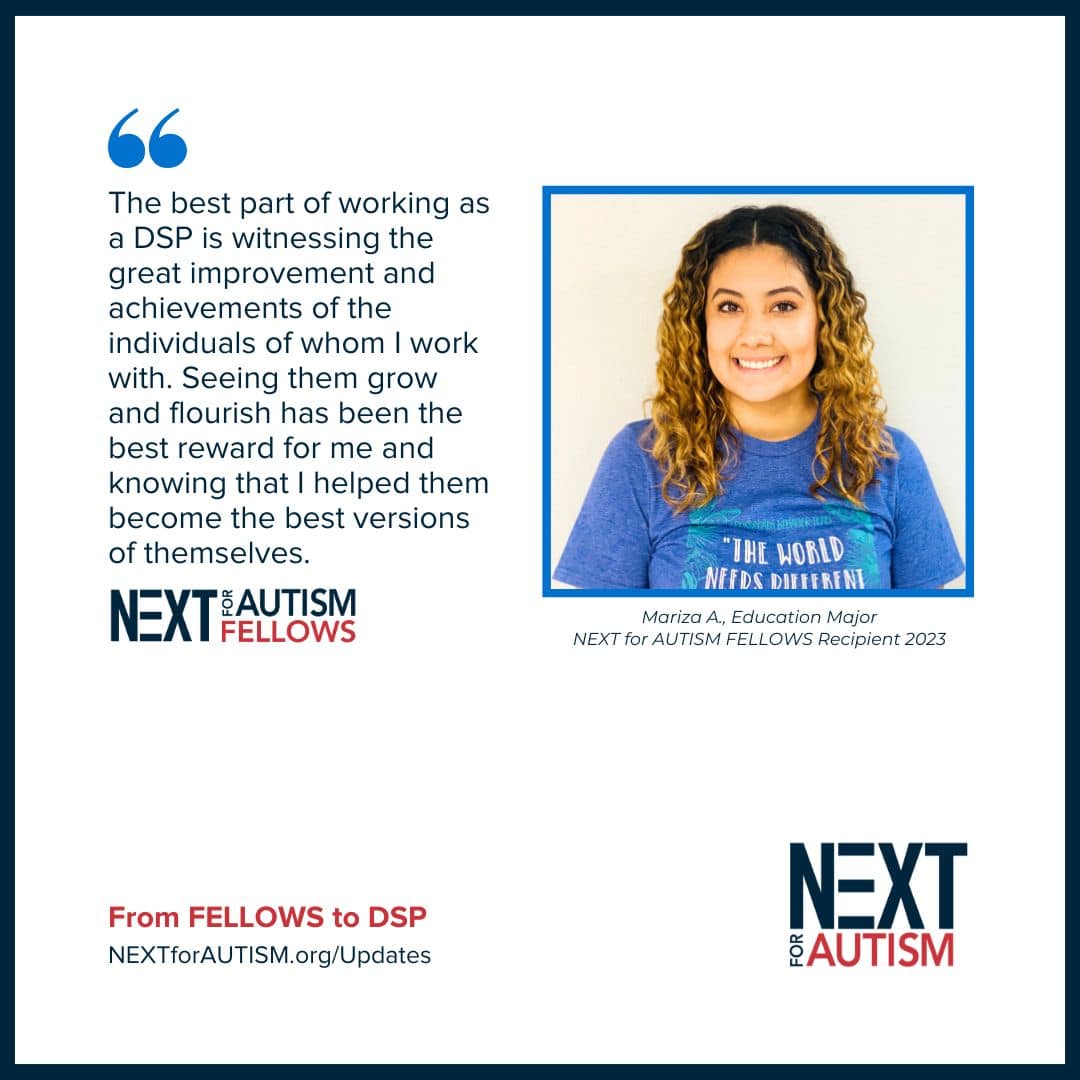
Grant funding has emerged as a critical tool for advancing the missions of autistic-led organizations. These funding cycles are not merely financial transactions; they represent a commitment to investing in the potential of autistic individuals and the communities that support them. By providing resources to autistic-led initiatives, grant programs help bridge gaps in services, research, and advocacy that have historically been overlooked.
The scope of grant funding can vary widely, from supporting grassroots organizations to funding large-scale research projects. Some programs focus on early intervention and education, ensuring that autistic children receive the tools they need to thrive. Others prioritize employment initiatives, helping autistic adults secure meaningful work and financial independence. Still others fund public awareness campaigns that challenge stereotypes and promote acceptance.
What sets these grant cycles apart is their emphasis on collaboration and co-creation. Autistic-led organizations often partner with researchers, educators, and policymakers to design programs that are both innovative and inclusive. This collaborative approach ensures that the solutions developed are not only effective but also sustainable, with the potential to create lasting change.

Research That Reflects Reality: Autistic-Led Studies and Findings
Research has long been dominated by non-autistic perspectives, often leading to studies that prioritize deficit-based models over the strengths and experiences of autistic individuals. Autistic-led research is changing this narrative by centering the voices of autistic people in the design, execution, and interpretation of studies. This shift is not just ethical—it is essential for producing research that is relevant, accurate, and impactful.
Autistic-led research often focuses on topics that have been historically neglected, such as the experiences of autistic women, non-binary individuals, and those with intersecting identities. It also challenges conventional wisdom by exploring the positive aspects of autism, such as unique cognitive strengths, creativity, and resilience. By doing so, this research helps to dismantle the stigma that has long been associated with autism and replaces it with a more nuanced understanding.
The methodologies used in autistic-led research are equally innovative. Many studies employ participatory approaches, where autistic individuals are involved at every stage of the research process, from defining the research question to disseminating the findings. This ensures that the research is not only rigorous but also reflective of the community’s needs and priorities.
For readers interested in the latest findings, autistic-led organizations often publish their research in accessible formats, such as blogs, infographics, and community reports. These resources make it easier for individuals, families, and policymakers to engage with the research and apply it in real-world settings.
Community and Support: Building Networks of Belonging
Isolation is a pervasive challenge for many autistic individuals, particularly those who struggle to find their place in a world that often fails to accommodate their needs. Autistic-led organizations are addressing this issue by creating robust networks of support that foster connection, understanding, and belonging. These networks take many forms, from online communities to in-person meetups, and they play a vital role in combating loneliness and promoting mental well-being.
One of the most powerful aspects of these communities is their ability to provide peer support. Autistic individuals often find solace in connecting with others who share similar experiences, whether it’s navigating sensory challenges, advocating for accommodations, or simply finding joy in shared interests. These connections can be life-changing, offering a sense of validation and empowerment that is often lacking in mainstream society.
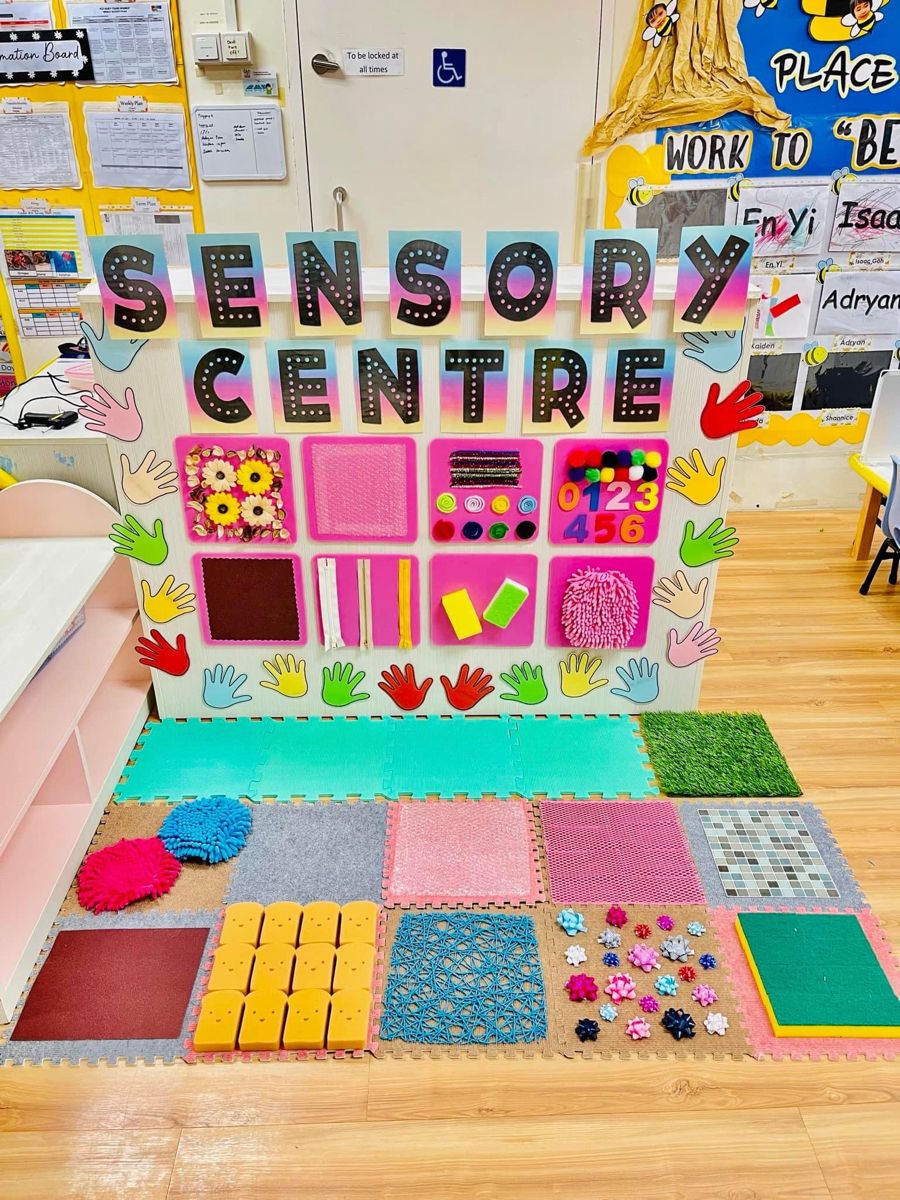
Autistic-led organizations also prioritize the creation of safe spaces where individuals can express themselves without fear of judgment or discrimination. These spaces can be physical, such as sensory-friendly environments, or virtual, such as moderated online forums. By fostering these safe spaces, organizations help to build a culture of acceptance and understanding that extends beyond their immediate communities.

Education and Awareness: Shifting Paradigms in Public Perception
Public perception of autism has long been shaped by stereotypes, misinformation, and a lack of representation. Autistic-led organizations are working to change this by developing educational resources and awareness campaigns that highlight the diversity and complexity of the autism spectrum. Their goal is not just to inform but to transform the way society views and interacts with autistic individuals.
These efforts often focus on dispelling myths and challenging harmful narratives. For example, many organizations advocate for the use of identity-first language (e.g., “autistic person”) over person-first language (e.g., “person with autism”), arguing that it reflects the inherent nature of their identity. They also emphasize the importance of recognizing and celebrating autistic strengths, such as exceptional attention to detail, deep focus, and unique problem-solving skills.
Education initiatives take many forms, from workshops and webinars to school-based programs and public campaigns. Some organizations collaborate with educators to develop curricula that are inclusive and accommodating, while others work with employers to promote neurodiversity in the workplace. By engaging with these resources, readers can gain a deeper understanding of autism and learn how to create more inclusive environments in their own lives.
Policy and Systemic Change: Advocating for Structural Transformation
The most enduring changes often come from shifts in policy and systemic practices. Autistic-led organizations are at the forefront of this work, advocating for laws and regulations that prioritize the rights and needs of autistic individuals. Their efforts span a wide range of issues, from healthcare access and insurance coverage to education and employment rights.
One of the key areas of focus is the elimination of discriminatory practices, such as forced institutionalization, restraints, and aversive therapies. Autistic-led organizations have been instrumental in pushing for legislation that bans these harmful practices and promotes alternatives that respect individual autonomy and dignity. They also advocate for policies that ensure access to necessary supports, such as speech therapy, occupational therapy, and mental health services.
Another critical area of advocacy is the push for inclusive education. Many autistic-led organizations work to reform school systems that have historically failed to accommodate neurodivergent students. Their efforts include advocating for individualized education plans (IEPs), training teachers in neurodiversity-affirming practices, and promoting the use of assistive technologies in classrooms.
The impact of these policy changes is far-reaching, affecting not just individuals but entire communities. By advocating for systemic transformation, autistic-led organizations are helping to create a world where neurodiversity is not just accepted but celebrated.
Autistic-led organizations are more than just a trend—they are a movement. Their work is reshaping the landscape of autism advocacy, research, and support, and their impact is being felt across every sector of society. For readers seeking to engage with this transformative work, the resources and insights provided by these organizations offer a roadmap to a more inclusive and equitable future. Whether through grant funding, research, community building, education, or policy advocacy, their efforts are paving the way for a world where autistic individuals can thrive on their own terms. The rise of autistic-led organizations is not just a shift in power—it is a revolution in how we understand and support neurodiversity.