In the delicate tapestry of early human development, a 1-year-old child is a canvas painted with burgeoning curiosity and nascent interactions. Amid this vibrant emergence of personality and communication lies a subtle constellation of signs that may hint at autism—a condition often described as a distinctive neurological mosaic rather than a mere disorder. Understanding these early signs is akin to deciphering an intricate language written in gestures, glances, and patterns. This narrative explores the nuanced indicators that may reveal autism in infants as young as one, providing a vital compass for caregivers navigating the profound journey of early identification and support.
Silent Symphonies: Social Interaction and Eye Contact
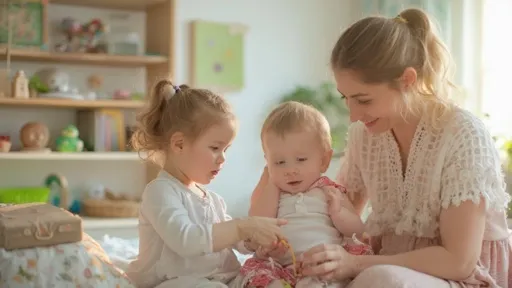
Imagine the infant’s world as a symphony of social signals, where eye contact and reciprocal smiles act as the primary motifs. A 1-year-old typically seeks engagement, reciprocating smiles and locking eyes with caregivers to establish a shared connection. However, in many children on the autism spectrum, this symphony plays at a different tempo—sometimes muted or fragmented.
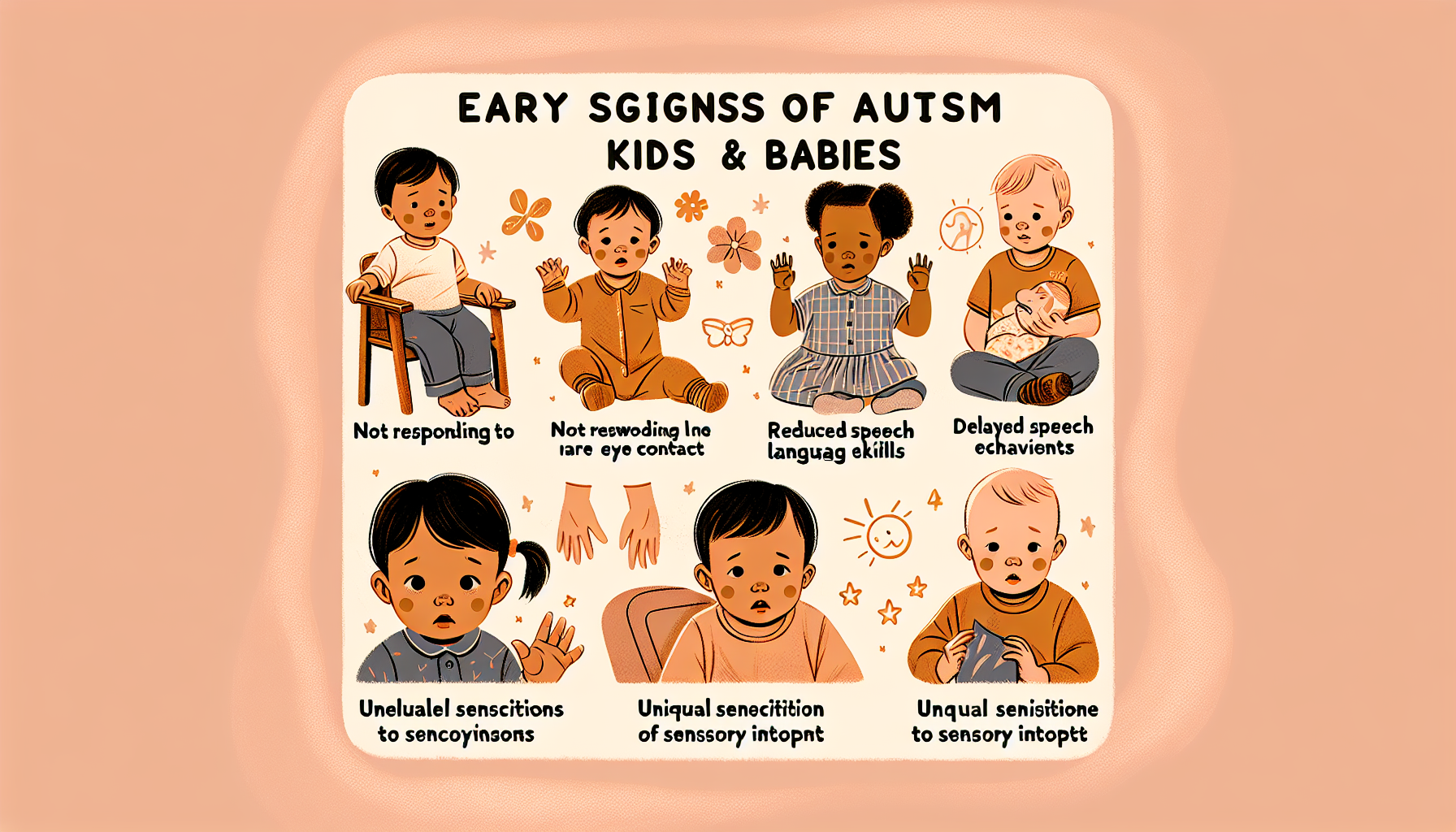
One of the earliest and most revealing signs is diminished or absent eye contact. Rather than the fluid rhythm of checking back and forth between a toy and the adult’s face, these infants may stare past or away from others, as if their focus is drawn inward or toward peripheral objects. This divergence from typical eye gaze patterns suggests the child is experiencing social information differently, creating a subtle but significant barrier to the shared emotional language that binds human relationships.

The Quiet Void: Communication Delays and Vocalization Patterns
Language is the cradle of human connection, and even before words crystalize, infants engage in a rich verbal dance through babbling, cooing, and varied vocal tones. At around 12 months, many typically developing children begin to utter simple words like “mama” or “dada,” accompanied by gestures such as pointing or waving.
In contrast, children with autism might exhibit atypical vocal patterns—either by delay or by difference. Their babbling may be less frequent or lack the melodic rise and fall expected in typical development. Some may prefer to make repetitive sounds or produce unique, idiosyncratic noises that don’t transition readily into words. Gesture use, which serves as a nonverbal bridge to language, can also be scarce, leaving caregivers without the usual early exchanges that metamorphose into meaningful dialogue.

The World in Patterns: Repetitive Behaviors and Restricted Interests
For a 1-year-old, exploration is an omnipresent force, propelled by tactile curiosity and sensory integration. Sometimes, this exploration becomes a structured ritualistic routine, which can be a hallmark of autism. These repetitive behaviors serve as a calming anchor in a world that can feel overwhelming or unpredictable.
Examples include spinning objects persistently, lining up toys meticulously, or fixating intensely on a singular object, such as a light fixture or a particular texture. Unlike typical play, where curiosity flares in diverse directions, children with autism may seem entranced by repetition and sameness, finding solace in predictability rather than novelty. This behavioral pattern is not simply stubbornness or preference—it’s a regulated response to sensory and cognitive stimuli.
Echoes of Absence: Delayed Imitation and Joint Attention
Imitation is an early cognitive bridge connecting the infant’s internal world with their external environment. When a child claps hands after another person does or waves goodbye in response, they are practicing the fundamental social skills that scaffold future communication.
Joint attention, the shared focus on an object or event with another person, is another keystone skill often delayed or absent in autism. For instance, a typically developing 1-year-old might point to an airplane in the sky and look back to gauge the caregiver’s reaction. Conversely, a child with autism might not initiate or respond to such shared moments, appearing disengaged from collaborative experiences that form the basis of social learning.
Emotional Tide: Atypical Responses to Sensory Stimuli
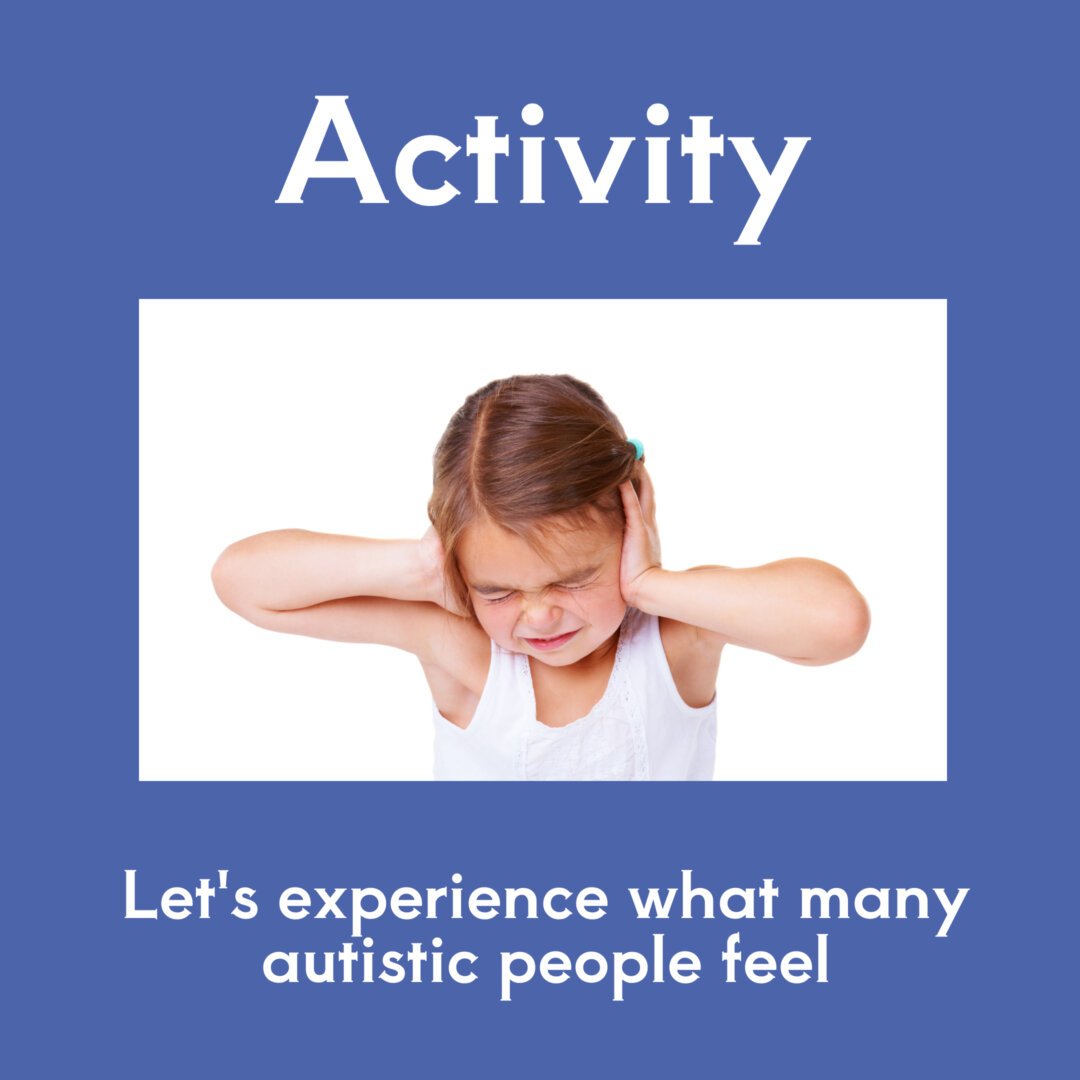
Every infant navigates the sensory ocean uniquely, but children on the autism spectrum often display an unusual relationship with sensory input. This might manifest as hypersensitivity—covering ears at modest sounds or recoiling from certain textures—or hyposensitivity, where stimuli that would typically startle or engage a child elicit minimal response.
For a 1-year-old, these responses color everyday moments with unpredictable variations. For example, a child might show distress at the hum of a vacuum cleaner, yet appear indifferent to pain or temperature changes. These sensory processing differences often complicate social interaction and exploration, contributing to behavioral challenges and isolative tendencies.
Conclusion: Illuminating the Path Ahead
Discovering the signs of autism in a 1-year-old is not a matter of uncovering glaring deficits, but rather tuning into an intricate, often veiled constellation of behaviors. The early recognition of social, communicative, and sensory differences allows for timely interventions that can transform potential barriers into gateways of growth. Each child is a unique universe, and understanding their individual language—the rhythms of their eyes, sounds, and actions—unlocks profound opportunities for connection and support. In this quest, patience and awareness are the guiding stars illuminating a hopeful journey toward a fulfilled and enriching childhood.