Autism is not a monolith—it is a spectrum of experiences, each as unique as the individual navigating it. Yet, for far too long, the narrative around autism has been shaped by outsiders: researchers, clinicians, and well-meaning but often misguided advocates who framed it as a deficit to be managed rather than a difference to be understood. The conversation is shifting. Allyship, once an abstract concept in disability advocacy, is now emerging as a tangible force for change, demanding more than performative gestures and empty slogans. It requires action, empathy, and a willingness to confront the biases embedded in societal structures. To support the autistic community authentically, we must first dismantle the myths that have long dictated how we perceive neurodiversity—and then rebuild our understanding from the ground up.
This shift begins with recognizing that allyship is not a badge to be worn but a commitment to be lived. It is the quiet resolve to listen before speaking, to amplify rather than assume, and to advocate without centering oneself. The autistic community has spent decades articulating its needs, only to be met with condescension or indifference. Now, as awareness gives way to acceptance, the onus is on allies to move beyond passive support and embrace a role that is both humbling and transformative. The path forward is not linear, nor is it without its challenges. But for those willing to engage with intention, allyship offers an opportunity to redefine what it means to truly stand in solidarity.

The Myth of the “Inspiration Porn” and the Erasure of Autistic Voices
Society has a peculiar habit of romanticizing struggle when it aligns with a narrative of overcoming adversity. This phenomenon, often labeled “inspiration porn,” reduces autistic individuals to one-dimensional characters in a story where their greatest value lies in how they inspire non-autistic people. A viral video of an autistic child reciting Shakespeare may tug at heartstrings, but it does little to address the systemic barriers that child faces in accessing education or employment. Worse, it reinforces the harmful idea that autism is something to be pitied or overcome, rather than a natural variation of human cognition.
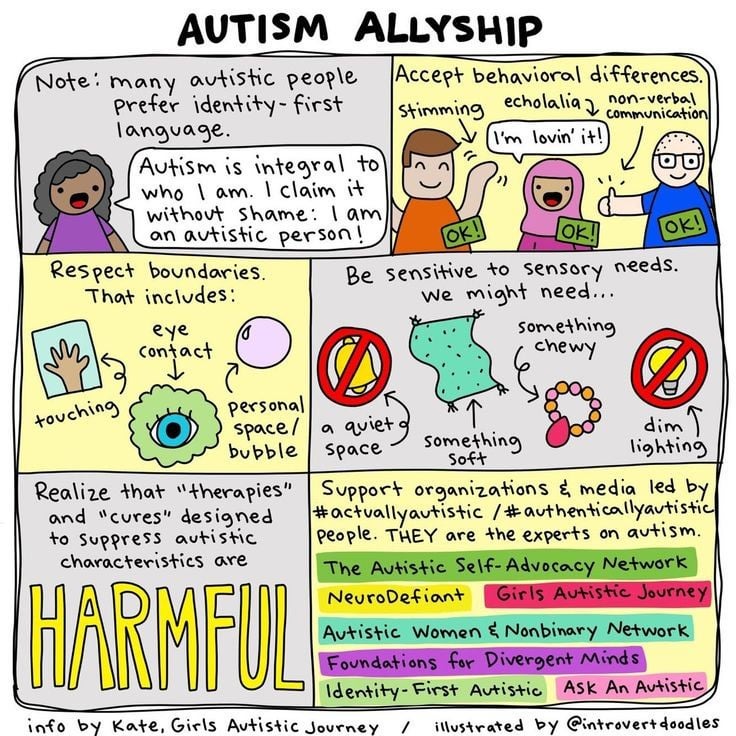
Allyship demands that we reject this narrative entirely. Authentic support begins with listening—truly listening—to autistic voices, whether they are speaking through blogs, social media, or direct advocacy. The autistic community has long articulated its needs: respect for stimming, accommodations in workplaces, representation in media, and an end to therapies that seek to “normalize” behavior rather than support well-being. Yet these voices are frequently drowned out by the loudest advocates, who may not share the same lived experiences. True allyship means ceding the floor, even when it feels uncomfortable, and recognizing that the goal is not to “fix” autism but to create a world where autistic people can thrive on their own terms.
The Power of Language: From “Person with Autism” to “Autistic Person”
Language is not merely a tool for communication—it is a framework for how we perceive the world and those in it. The debate over identity-first (“autistic person”) versus person-first (“person with autism”) language is more than a semantic quibble; it reflects deeper questions about autonomy and self-determination. Many autistic advocates argue that autism is not a separate entity to be “managed” but an integral part of their identity. To insist on person-first language can feel like a subtle denial of that identity, as if autism is something to be distanced from rather than embraced.
Allyship in this context means respecting the preferences of the community you seek to support. If an autistic individual or organization advocates for identity-first language, allies must honor that choice without debate. This is not about political correctness but about recognizing that language shapes perception—and perception shapes policy. When allies adopt the terminology preferred by the autistic community, they signal a commitment to seeing autism as a natural part of human diversity rather than a deviation to be corrected. It is a small but profound step toward dismantling the stigma that has long dictated how autistic people are treated in society.
Accommodations Are Not Privileges—They Are Rights
The workplace, the classroom, and public spaces are often designed with a neurotypical majority in mind, leaving autistic individuals to navigate environments that are, at best, indifferent and, at worst, hostile. Sensory overload in fluorescent-lit offices, the pressure to make eye contact during job interviews, or the expectation to socialize in ways that drain energy—these are not minor inconveniences. They are barriers that can prevent autistic people from accessing the same opportunities as their neurotypical peers. Yet, too often, accommodations are framed as acts of charity rather than rights to be demanded.
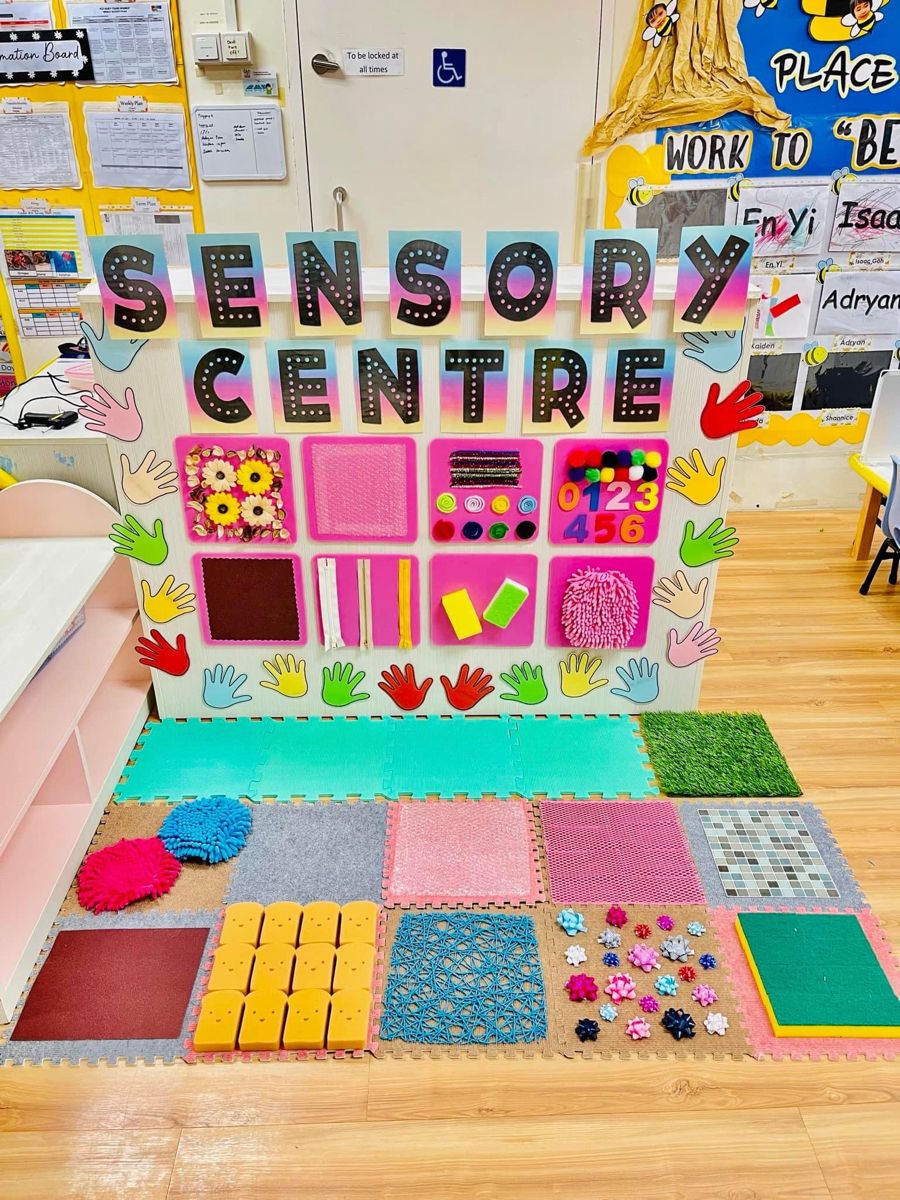
Allyship in this realm requires a fundamental shift in perspective: from viewing accommodations as optional extras to recognizing them as essential components of equity. This means advocating for flexible work arrangements, ensuring sensory-friendly spaces in schools and offices, and challenging policies that penalize autistic individuals for behaviors they cannot control. It also means pushing back against the myth that accommodations are “unfair” to neurotypical people—a narrative that ignores the fact that the current system already privileges neurotypicality. True allyship is not about making exceptions for autistic individuals; it is about redesigning systems so that they work for everyone.
The Double-Edged Sword of Awareness Campaigns
Awareness campaigns have played a crucial role in bringing autism into the public consciousness. Yet, awareness alone is not enough. Without action, it risks becoming a hollow exercise in virtue-signaling, where organizations slap a blue puzzle piece on their logo for a month and then return to business as usual. The problem with awareness is that it often focuses on shock value—sharing heartbreaking stories of “struggle” or “triumph”—rather than addressing the root causes of exclusion. It can reduce autistic people to objects of pity or inspiration, rather than subjects with agency and expertise.
Allyship demands that we move beyond awareness and toward meaningful change. This means supporting autistic-led organizations, donating to funds that prioritize autistic voices, and holding institutions accountable for their treatment of autistic individuals. It means questioning why certain narratives about autism dominate the conversation while others are silenced. And it means recognizing that allyship is not a one-time gesture but an ongoing practice of learning, unlearning, and advocating. The goal is not to make people “aware” of autism but to create a world where autistic people are seen, heard, and valued for who they are.
The Role of Allies in Challenging Systemic Barriers
Systemic barriers are not accidental—they are the result of deliberate choices, often made by those who benefit from the status quo. For autistic individuals, these barriers manifest in countless ways: in the underdiagnosis of autistic women and nonbinary people due to outdated stereotypes, in the lack of accessible healthcare, in the criminalization of stimming or meltdowns in public spaces, and in the exclusion of autistic voices from policy discussions. Allies have a critical role to play in dismantling these structures, but it requires more than passive support. It requires active resistance.
This might mean advocating for policies that prioritize neurodiversity in hiring practices, pushing for inclusive education models that accommodate different learning styles, or challenging media representations that perpetuate harmful stereotypes. It might mean using your platform—whether in the workplace, in social circles, or online—to amplify autistic voices and call out discrimination when you see it. Allies must also be willing to confront their own biases, recognizing that even well-intentioned actions can reinforce harmful systems. The goal is not to “save” the autistic community but to create space for it to thrive without the constant need for intervention.

Allyship is not a destination but a journey—a journey that requires humility, persistence, and a willingness to be uncomfortable. It is about recognizing that the autistic community does not need saviors but partners who are willing to stand beside them, not in front of them. The shift from awareness to action is already underway, but it will only gain momentum if allies commit to showing up, not just in April, but every month of the year. The future of autism advocacy is not in pity or inspiration, but in solidarity. And solidarity begins with the choices we make every day—how we listen, how we advocate, and how we show up for those who have been waiting far too long for the world to truly see them.