In a world where labels often feel like shackles, where the mind’s landscape is carved into neat, clinical valleys, two names echo with unsettling frequency: Autism and ADHD. They are whispered in pediatrician’s offices, debated in online forums, and scribbled on intake forms with the weight of inevitability. Yet, beneath the surface of these diagnoses lies a labyrinth of overlapping traits, misunderstood behaviors, and societal misconceptions. What if the distinctions between these neurodivergent experiences are not as rigid as we’ve been led to believe? What if the real story isn’t about difference at all, but about the fluidity of human cognition itself?
This exploration isn’t just about symptoms or diagnostic criteria. It’s about dismantling the illusion that these conditions exist in isolation, and instead, embracing a perspective where the mind’s architecture is less a matter of boxes and more a spectrum of interconnected possibilities. By peeling back the layers of conventional wisdom, we uncover not just the contrasts between Autism and ADHD, but the profound ways they intersect—challenging us to rethink how we perceive focus, social navigation, and even the very nature of identity.
The Neurological Tapestry: How Autism and ADHD Weave Divergent and Convergent Paths
At first glance, Autism and ADHD appear to be the neurological equivalent of apples and oranges—distinct fruits with their own textures, flavors, and nutritional profiles. Yet, beneath their exteriors, both share a common root: differences in how the brain processes information, regulates attention, and interprets sensory input. Autism, often described as a spectrum, is characterized by challenges in social communication, restricted interests, and sensory sensitivities. ADHD, on the other hand, is marked by persistent patterns of inattention, hyperactivity, and impulsivity. But these definitions barely scratch the surface of a far more intricate narrative.
The brain’s wiring in Autism often leads to a hyperfocus on details, a tendency to perceive patterns where others see chaos, and a deep, almost obsessive engagement with specific interests. This can manifest as a superpower in fields requiring precision or creativity, yet it may also create barriers in environments that demand rapid social adaptation. ADHD, conversely, is frequently associated with a mind that flits between stimuli like a hummingbird between flowers, struggling to anchor itself to a single task. Yet, this same restlessness can fuel innovation, turning what is perceived as a deficit into a dynamic, exploratory force.
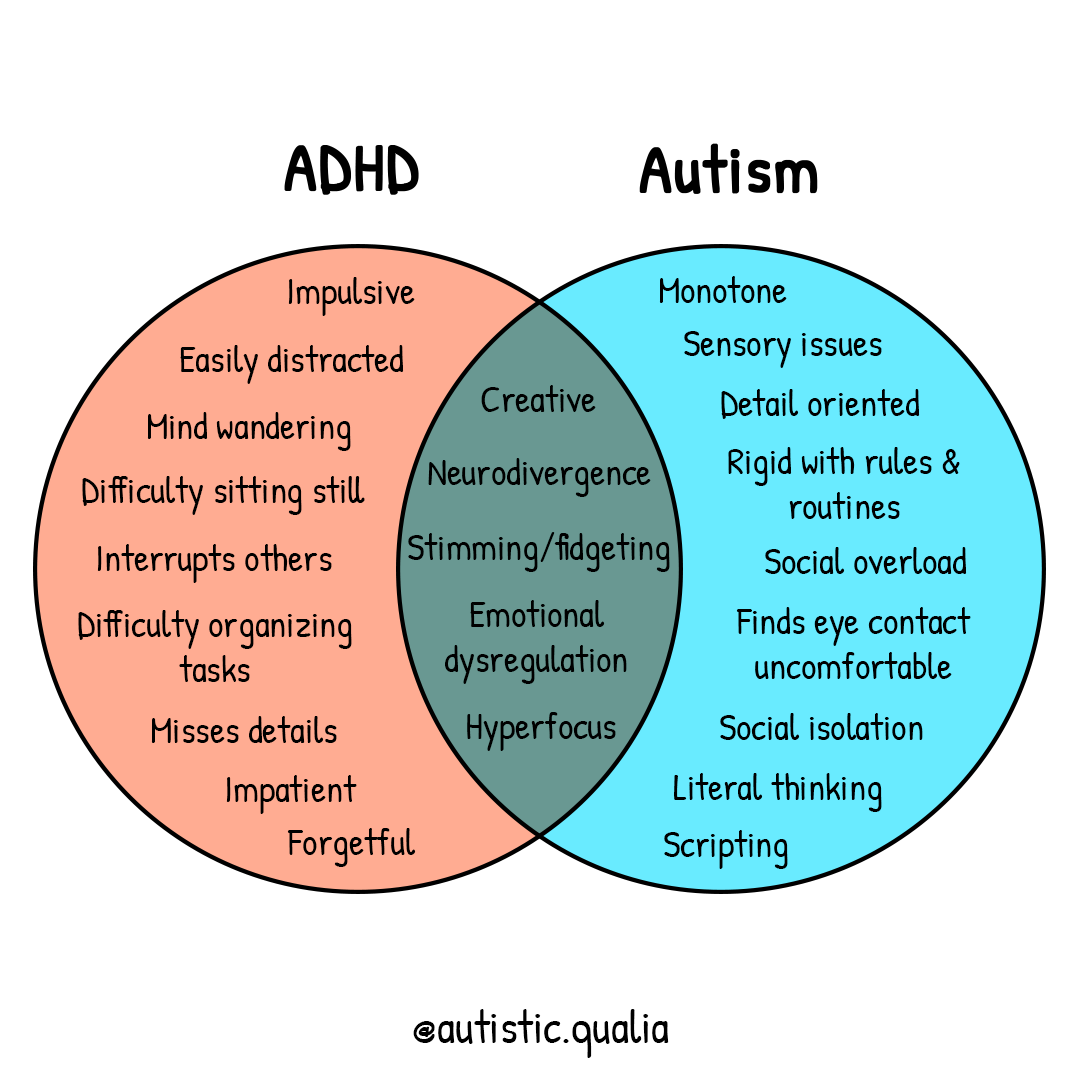
What binds these experiences together is the concept of neurodivergence—a term that reframes these differences not as flaws but as variations in the human operating system. The overlap becomes glaring when we consider that up to 50-70% of individuals with Autism also meet the criteria for ADHD, and vice versa. This statistical dance suggests that the line between the two may be more of a gradient than a divide, with shared genetic and neurological underpinnings that blur the boundaries of diagnosis.

Attention, Interrupted: The Paradox of Focus in ADHD and Autism
Focus is not a monolith. It is not a steady flame but a flickering candle, susceptible to gusts of distraction, hyperfocus, or sheer mental fatigue. In ADHD, the challenge often lies in sustaining attention on mundane or uninteresting tasks, a phenomenon known as attention dysregulation. The brain craves novelty, thriving in environments where stimulation is high and rewards are immediate. Yet, this same craving can lead to impulsivity, as the mind leaps from one idea to the next without pause.
Autism, in contrast, presents a different paradox. While individuals with ADHD may struggle to focus on what doesn’t interest them, those with Autism may hyperfocus on what does—sometimes to the exclusion of everything else. This intense concentration can be a double-edged sword: a source of mastery in specialized fields but a barrier in social or professional settings where flexibility is required. The key distinction lies in the why behind the focus. For someone with ADHD, distraction is often external—a noise, a thought, a sudden urge. For someone with Autism, it may be internal, a deep dive into a subject that captivates the mind entirely.
Yet, even here, the lines blur. Some individuals with ADHD experience hyperfocus as intensely as those with Autism, while some with Autism report difficulty maintaining attention on tasks that lack personal relevance. The shared thread? A brain that does not conform to the conventional rhythms of productivity. This challenges the notion that focus is a binary—either present or absent—and instead suggests it is a spectrum, shaped by environment, interest, and the unique architecture of the individual mind.
Social Navigation: The Unseen Currents of Connection and Misunderstanding
Social interaction is the great equalizer and divider of human experience. For those with Autism, the rules of engagement often feel like an unwritten, ever-changing code. Facial expressions, tone of voice, and subtle cues may be misread or missed entirely, leading to misunderstandings that range from awkward to deeply painful. The desire for connection is there, but the tools to navigate it are not always intuitive. This can result in a paradox: a profound longing for intimacy paired with behaviors that inadvertently push others away.
ADHD, meanwhile, paints a different social landscape. Impulsivity may lead to interruptions, blunt honesty, or difficulty reading the room, creating friction in conversations or relationships. Yet, the same traits that cause social stumbles can also foster charisma, spontaneity, and an infectious enthusiasm that draws people in. The challenge here is not just in reading others but in being read correctly—ADHD traits are often misinterpreted as rudeness or disinterest, when in reality, they stem from a brain that processes emotions and social cues in real-time, without the filter of societal expectations.
The intersection of these experiences reveals a shared struggle: the tension between authenticity and adaptation. Both Autism and ADHD force individuals to confront the question of whether to conform to social norms or to forge their own path. The answer is rarely simple, but it often involves a redefinition of connection—one that values depth over superficiality, and honesty over performance.
Sensory Worlds: The Overwhelming and the Extraordinary
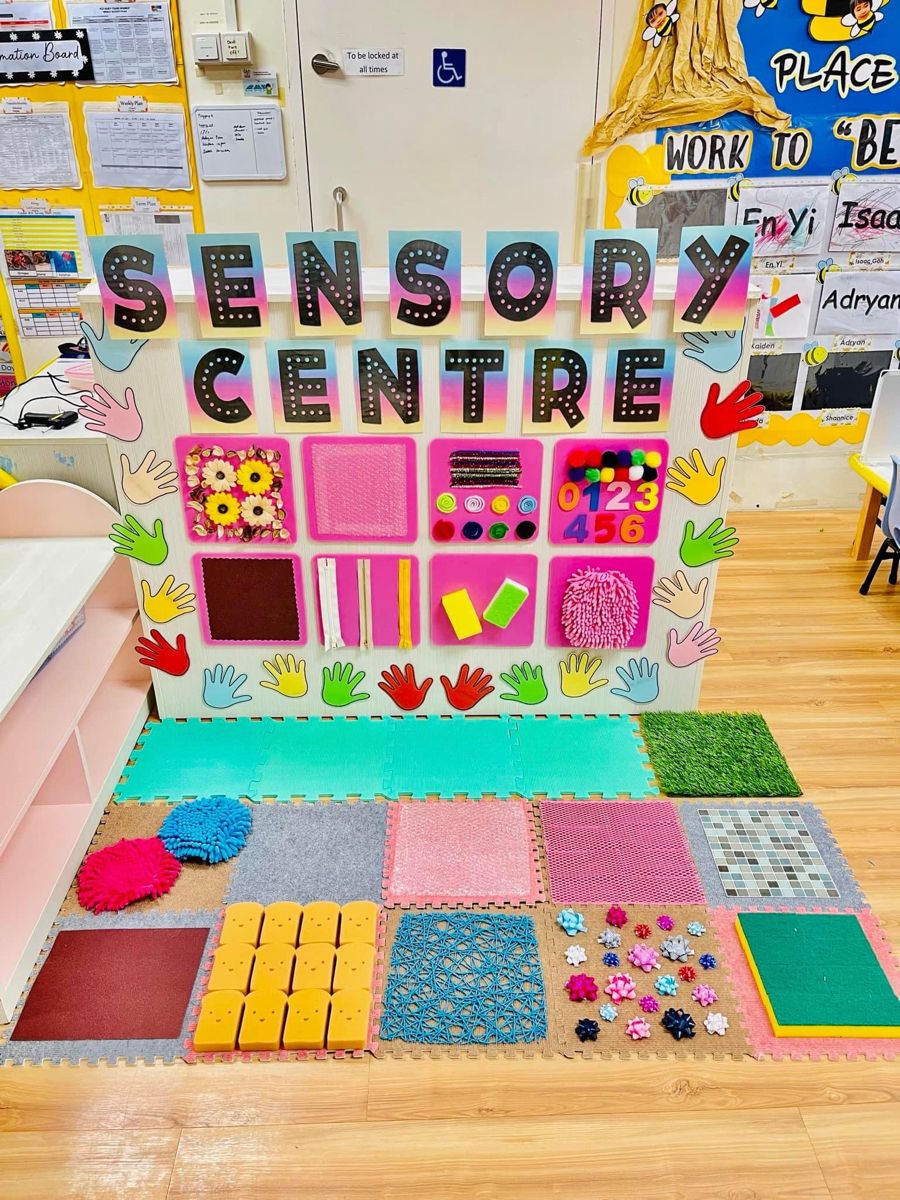
Sensory experiences are the raw material of perception, the lens through which we interpret the world. For those with Autism, this lens can be a kaleidoscope of extremes—sounds that shatter tranquility, textures that feel like sandpaper, or lights that pulse with unbearable intensity. This sensory hypersensitivity can make everyday environments feel like minefields, where the hum of a refrigerator or the flicker of fluorescent lights becomes a source of distress. Yet, it can also lead to a heightened appreciation for beauty, a sensitivity to nuances that others overlook.
ADHD, too, has its sensory dimensions, though they manifest differently. The mind may crave stimulation, leading to fidgeting, restlessness, or a need for constant movement. Background noise, bright colors, or even the feel of certain fabrics can become sources of distraction or comfort, depending on the individual. The difference lies in the response: where Autism often involves a retreat from overwhelming stimuli, ADHD may involve a search for more of them, as if the brain is perpetually seeking the next hit of dopamine.
These sensory experiences are not just quirks; they are windows into how the brain processes the world. They challenge the idea that there is a “normal” way to experience reality, and instead suggest that diversity in perception is not a flaw but a feature of human cognition. By acknowledging these differences, we open the door to environments—whether in schools, workplaces, or homes—that are designed to accommodate, rather than suppress, these unique ways of being.
The Myth of the “Pure” Diagnosis: When Labels Fail to Capture the Whole Story
Diagnostic criteria are meant to provide clarity, to offer a roadmap for understanding and support. Yet, in the case of Autism and ADHD, these labels often fall short, failing to capture the nuance of individual experience. The reality is that many people do not fit neatly into one category or the other. They may exhibit traits of both, or none at all, defying the rigid boxes of clinical definitions. This is where the concept of neurodivergent overlap comes into play—a recognition that the mind does not adhere to the constraints of diagnostic manuals.
Consider the individual who excels in hyperfocus but struggles with social cues, or the person whose sensory sensitivities are matched by an impulsivity that defies categorization. These experiences do not invalidate the diagnoses of Autism or ADHD; rather, they highlight the limitations of a system that seeks to classify the unclassifiable. The push for more inclusive diagnostic approaches is not just academic—it is a call to action for a society that must learn to see beyond labels and recognize the humanity in every mind.
This shift in perspective is not about erasing differences but about embracing them. It is about moving from a place of “How do we fix this?” to “How do we understand this?” It is about recognizing that the traits we label as deficits may, in another context, be strengths—and that the line between disorder and difference is often a matter of perspective.
To redefine our understanding of Autism and ADHD is to acknowledge that the mind is not a machine with interchangeable parts but a living, breathing ecosystem of thoughts, emotions, and perceptions. It is to recognize that the traits we once saw as obstacles may, in fact, be the very qualities that drive innovation, creativity, and resilience. In a world that often demands conformity, neurodivergence is not a deviation from the norm—it is a testament to the boundless potential of human cognition.
So the next time you encounter someone whose mind works differently, resist the urge to categorize. Instead, ask yourself: What can I learn from this perspective? How can I create space for these differences to thrive? The answers may not come easily, but they will undoubtedly lead to a richer, more inclusive understanding of what it means to be human.