Have you ever wondered what it truly means to perceive the world through a different lens? Imagine a spectrum so vast and intricate that no two experiences are exactly alike. This is the challenge and the beauty of understanding autism—a neurodevelopmental phenomenon that defies simplistic characterization. To grasp the full picture of autism, one must embark on a journey that traverses scientific insights, emotional landscapes, and the social dimensions that frame the autistic experience.
The Spectrum’s Infinite Nuances
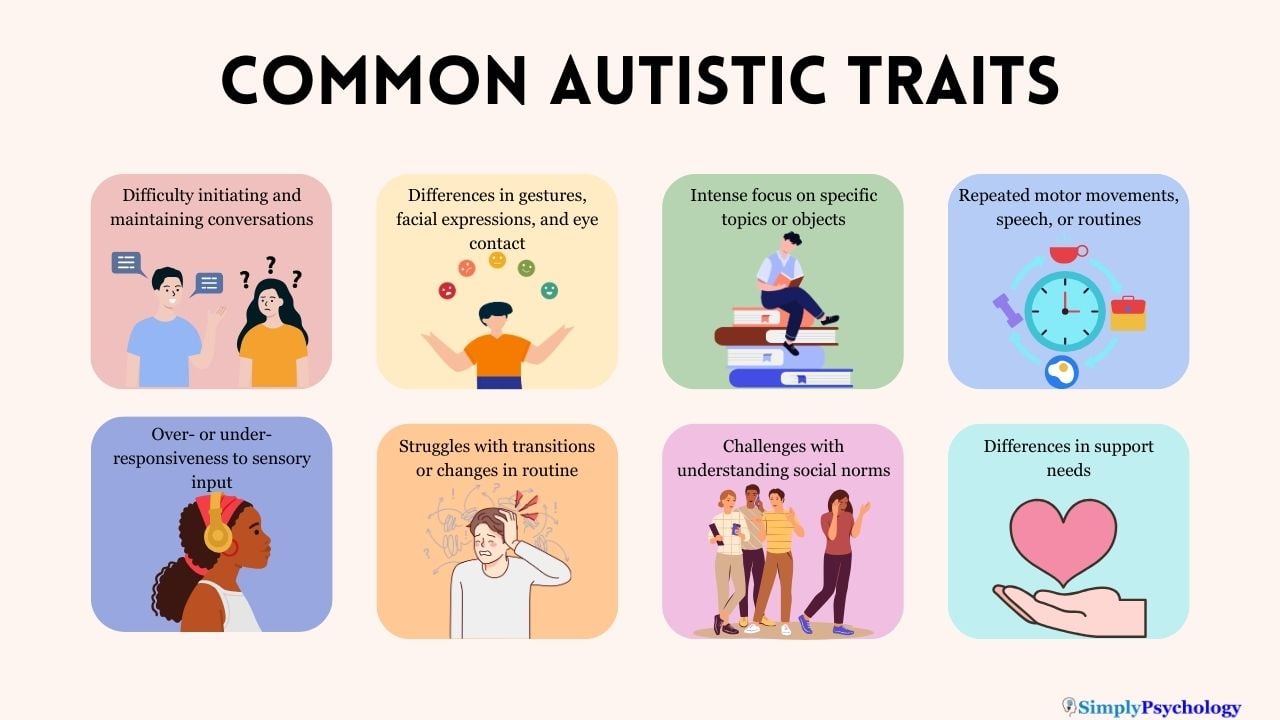
Autism spectrum disorder (ASD) is not a monolithic condition but rather a constellation of diverse traits and behaviors. Characterized by differences in social interaction, communication, and repetitive behaviors, autism presents uniquely in every individual. This variability can make diagnosis and understanding complex; where one person might exhibit profound challenges in verbal communication, another might excel linguistically yet struggle with social reciprocity.
It is crucial to recognize that autism exists on a continuum. The term “spectrum” itself reflects this diversity—ranging from subtle neurodivergent traits to more pronounced developmental differences. Autism is not a disorder to be “cured,” but a distinctive way of being that enriches the human tapestry. Emphasizing strengths while acknowledging challenges fosters a more compassionate and inclusive perspective.
Neurobiology: The Brain’s Unique Architecture
At the core of autism lies a distinct neurobiological architecture. Researchers have uncovered variations in brain connectivity and neural circuitry that contribute to differences in processing sensory and social information. For instance, atypical synaptic pruning during early development can result in heightened sensory sensitivity or an amplified ability to focus on specific details.
These neurological distinctions do not imply deficits but represent alternative modes of cognition and perception. The autistic brain may prioritize pattern recognition and systemizing, which can lead to remarkable abilities in fields such as mathematics, music, or computer science. Understanding the underlying biology helps dismantle stigma and informs the development of tailored interventions.
Communication: Beyond Words and Gestures
Communication within the autism spectrum transcends conventional verbal exchanges. Many individuals utilize unique methods to engage with the world, including nonverbal cues, augmentative communication devices, and written language. Their expressive modalities might challenge traditional norms but remain authentic forms of interaction.
It is important to appreciate that communication challenges do not equate to a lack of intelligence or emotional depth. On the contrary, some autistic individuals exhibit profound empathy and insight but may require alternative means to express themselves. Cultivating patience and openness paves the way for meaningful connections beyond surface-level dialogue.
Social Realities and the Challenge of Inclusion
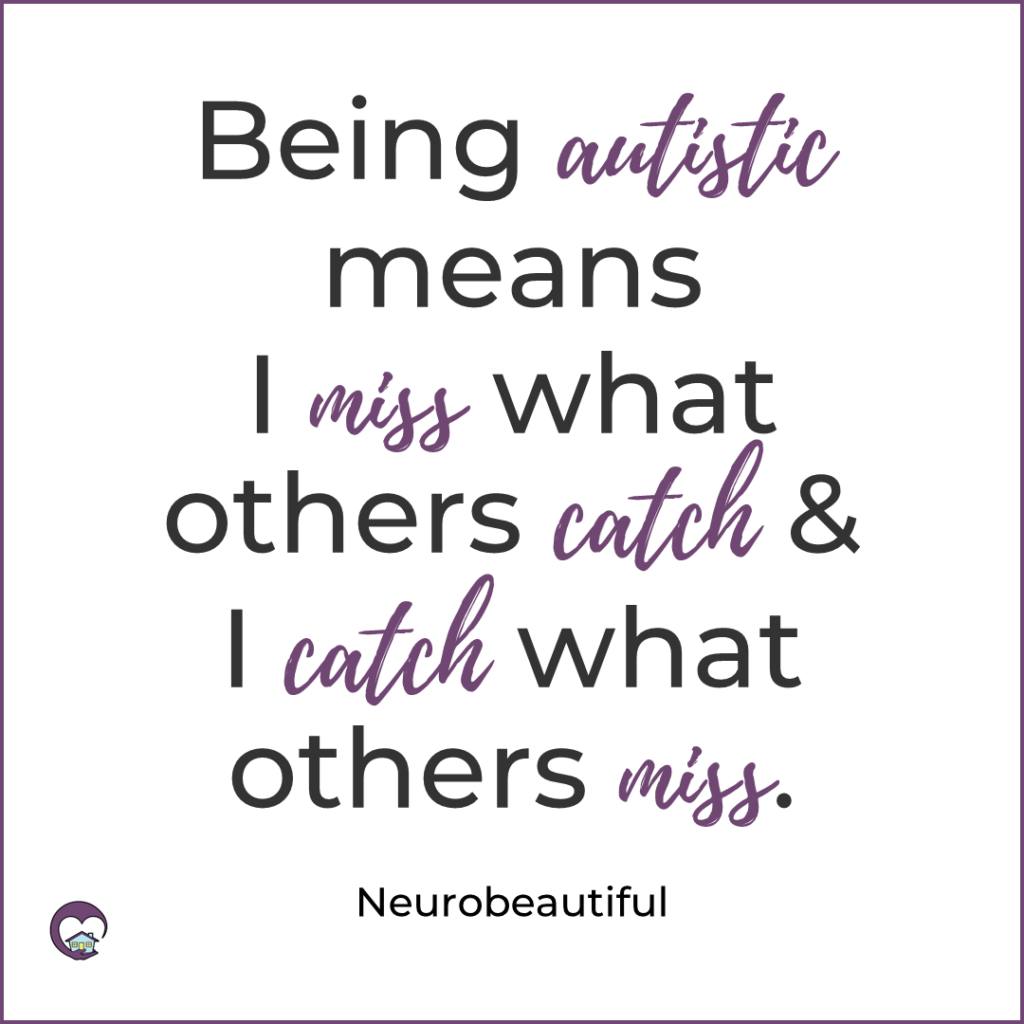
Social interaction often constitutes one of the most formidable challenges faced by individuals on the autism spectrum. Difficulties interpreting social cues, navigating unspoken rules, and forming relationships can engender feelings of isolation. Yet, these challenges are often exacerbated by societal misconceptions and a lack of inclusive environments.
Creating spaces that honor neurodiversity involves more than accommodations—it requires a cultural shift towards respect, acceptance, and flexibility. Schools, workplaces, and communities that embrace diverse communication styles and social needs enhance the quality of life for autistic individuals. Inclusion transcends tolerance; it champions empowerment.
Strategies for Support and Empowerment
Interventions aimed at supporting autistic individuals must be as individualized as the spectrum itself. Early intervention can significantly improve developmental outcomes, emphasizing skill-building and adaptive strategies. However, it is essential to align these supports with the person’s goals, preferences, and dignity.
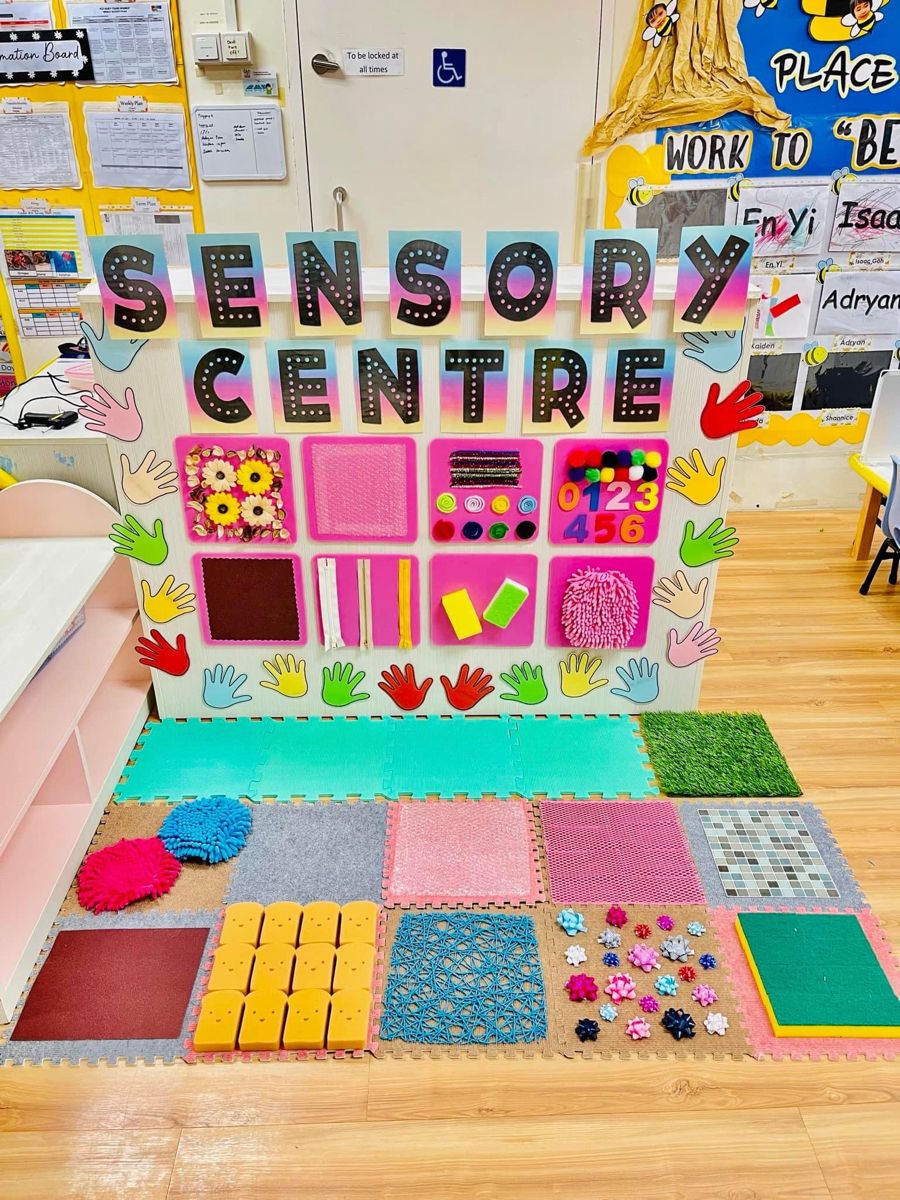
Educational strategies might include structured learning environments that minimize sensory overload and employ visual supports. Therapeutic modalities range from behavioral approaches to occupational and speech therapies. Importantly, family involvement and community resources form the backbone of sustainable empowerment.
The Intersection of Identity and Advocacy
For many autistic individuals, embracing their identity involves rejecting the narrative of “fixing” or “curing” autism. Instead, the focus shifts to celebrating neurodiversity—a paradigm that views neurological variation as a natural and valuable aspect of human difference.
Advocacy movements have gained momentum, propelling awareness and affecting policy changes that prioritize accessibility and rights. These efforts underscore the importance of listening to autistic voices and respecting self-determination. Such recognition fosters societal growth and enriches collective understanding.
Understanding autism is a multifaceted endeavor that challenges preconceived notions and invites a paradigm shift. The complexity of the spectrum, the uniqueness of each brain’s wiring, and the rich variety of communication styles compel us to broaden our perspectives. Ultimately, it is about compassion, inclusion, and recognizing the intrinsic value in every individual’s diverse way of experiencing the world.