In the intricate tapestry of human interaction, social skills form the threads that weave individuals together, fostering connection and understanding. For an autistic child, however, these threads often appear tangled and elusive, presenting unique challenges not easily unraveled. Observers frequently note a profound fascination displayed by autistic children towards specific subjects or objects, a behavior that invites deeper exploration and understanding. This intense focus is seldom mere preference; it often conceals underlying mechanisms related to information processing and emotional regulation, offering vital clues on how to support social skill development effectively.
Understanding the Nuances of Social Interaction in Autism
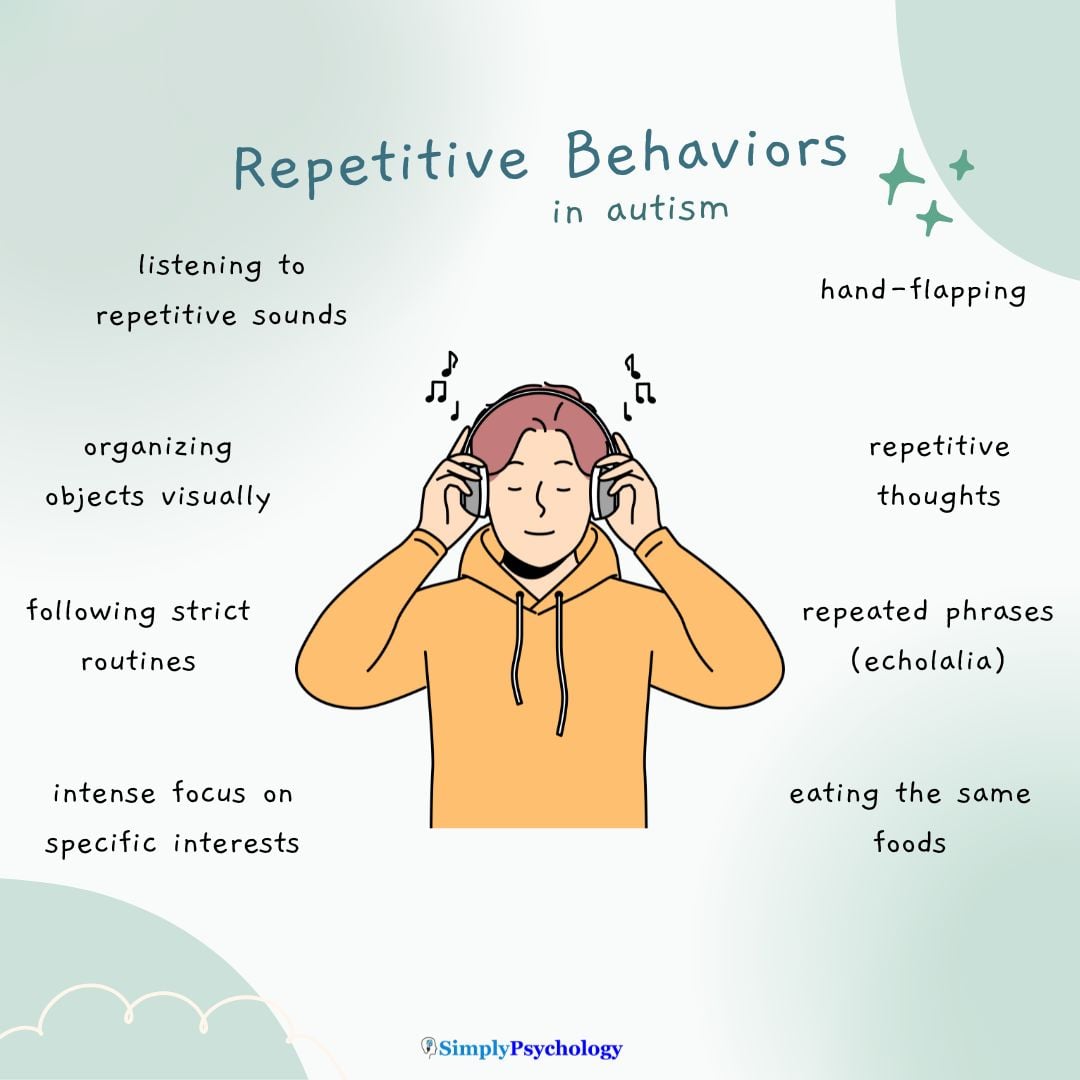
Before delving into strategies, it is essential to comprehend the complexity of social communication from the perspective of an autistic child. Social cues, such as eye contact, facial expressions, and tone modulation, can seem overwhelming or ambiguous. This sensory overload may discourage spontaneous social engagement, leading children to retreat into familiar stimuli or routines. Their fascination with particular interests or repetitive behaviors is not just a quirk but a sanctuary—a way to create order and predictability amidst chaotic social environments.

By appreciating this intrinsic need for constancy, caregivers and educators can tailor interventions that respect the child’s need for structure while gently expanding their social horizons.
The Role of Social Stories in Demystifying Social Expectations
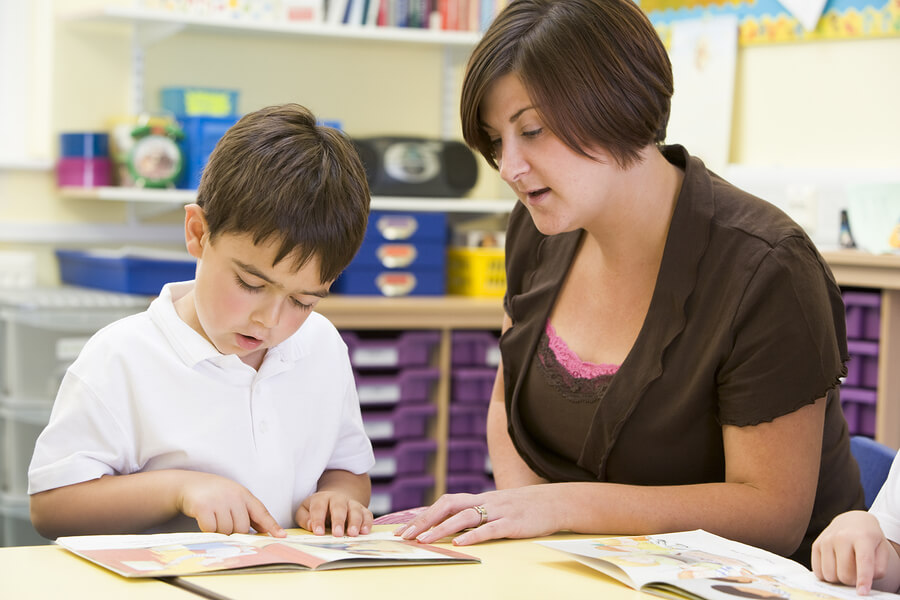
One powerful tool in the arsenal of social skill development is the use of social stories. These are carefully crafted narratives designed to explain social situations, behaviors, and expectations in an accessible and literal manner. Unlike typical social communication, which often includes abstract or implied meaning, social stories break down events into digestible components, allowing the child to anticipate and rehearse social scenarios beforehand.
Implementing social stories in daily routines can dramatically reduce anxiety and confusion. For instance, narrating a visit to the playground or attending a birthday party helps predict the atmosphere, expected behaviors, and responses from peers. This pre-emptive approach empowers the child to navigate social interactions with greater confidence and clarity, bypassing the nebulousness that often triggers withdrawal or frustration.

Harnessing Fascination: Channeling Interests into Social Opportunities
The deep-seated fascination autistic children exhibit often leads to prodigious knowledge about their interests, whether trains, animals, or patterns. Redirecting this focused attention towards social interaction can be transformative. By integrating these passions into social skill exercises, adults can create meaningful contexts where children feel both safe and motivated to engage.
For example, organizing group activities around a child’s favorite topic encourages peer interaction in a naturalistic setting. This approach sidesteps the pressure of general socializing, replacing it with purposeful, interest-driven communication. Over time, this scaffolding fosters the incremental building of social competencies, such as turn-taking, eye contact, and conversational reciprocity.
Interactive and Sensory-Based Activities to Promote Engagement
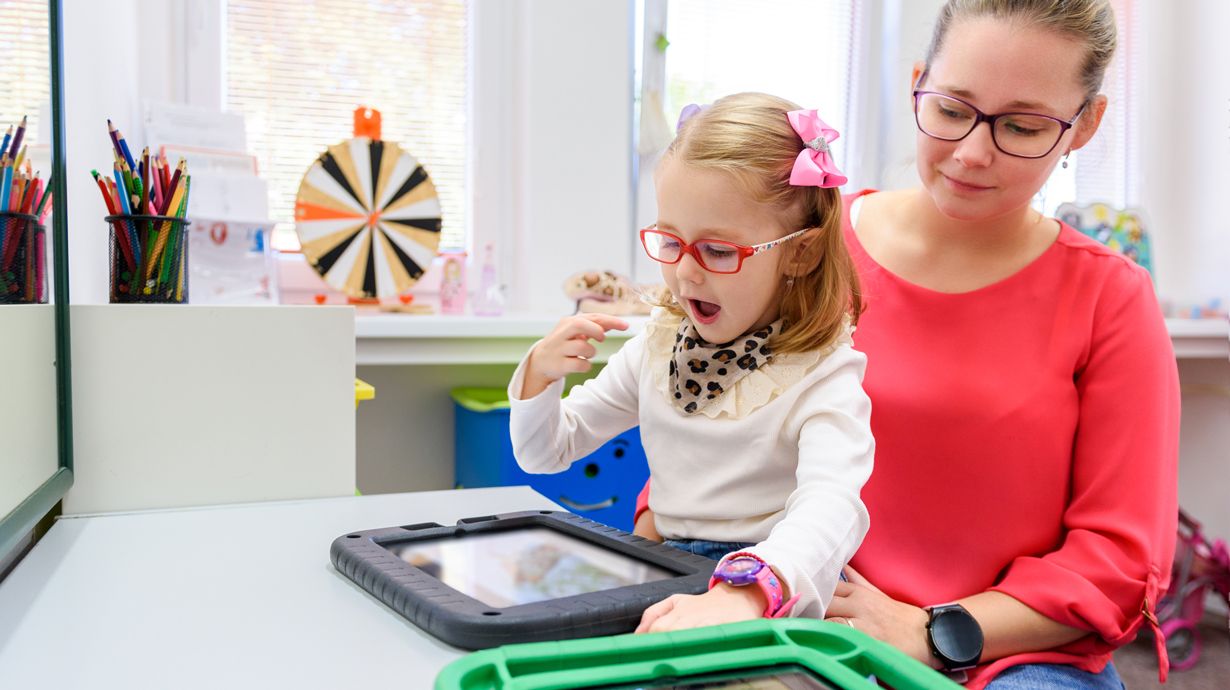
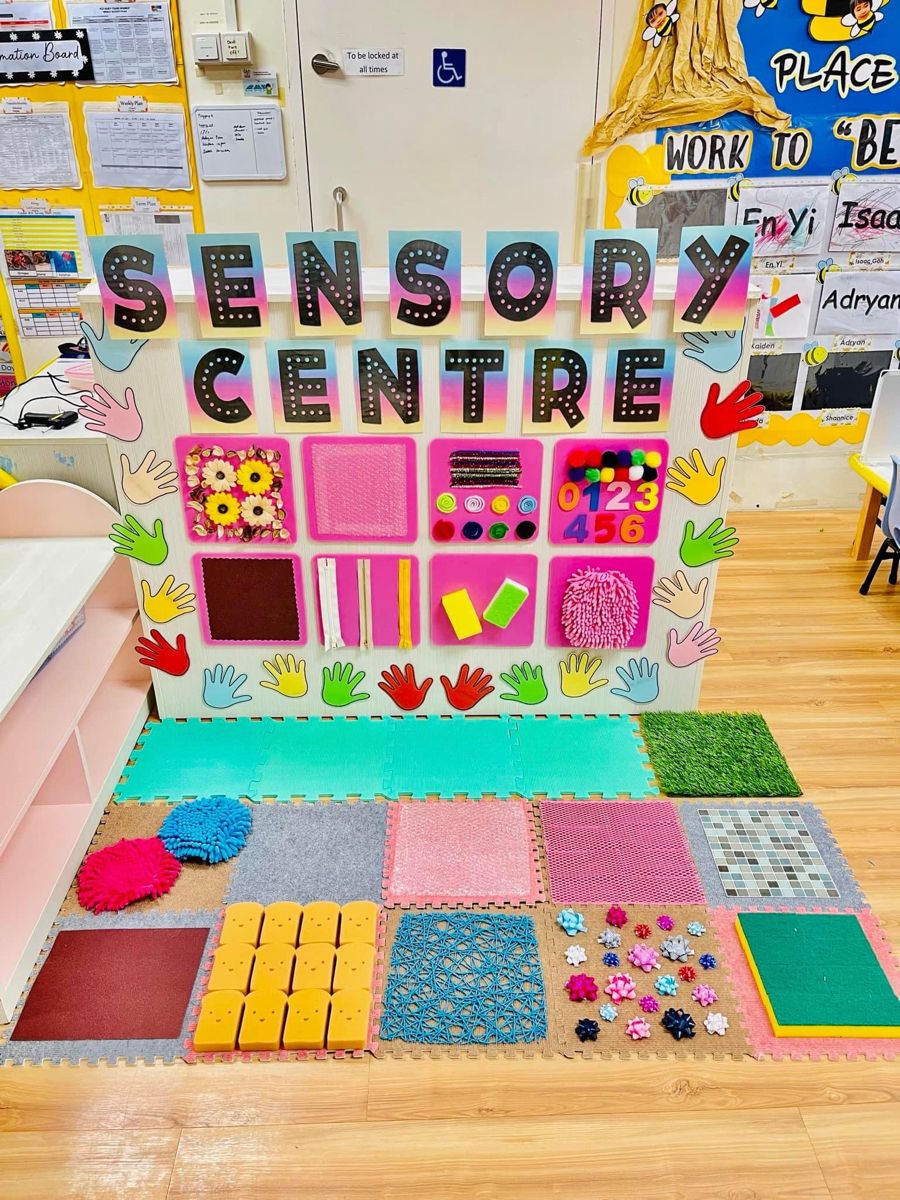
Engagement in sensory-rich and interactive tasks can also illuminate pathways for social development. Activities involving movement, tactile experiences, or music activate multiple sensory modalities and generally hold the child’s attention more effectively than abstract verbal instructions. Such activities serve as conduits for relational learning, enhancing shared experiences foundational to social connection.
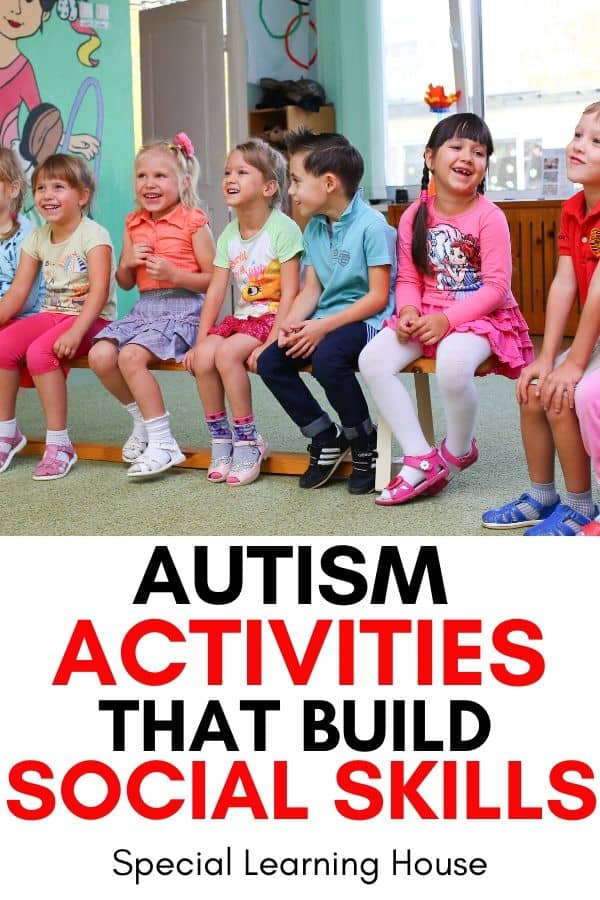
Examples include cooperative games, art projects, or role-playing scenarios that invite collaboration. These dynamic interactions provide immediate feedback and social reinforcement, essential elements for mastering nuanced social cues without the cognitive overload that static lessons can entail.
Emphasizing Consistency and Patience in Skill Acquisition
It is imperative to recognize that developing social skills is a gradual, often nonlinear process. The path to proficiency is marked by incremental progress and occasional setbacks. Consistency in approach, patience, and positive reinforcement underpin successful outcomes. Structured schedules and repeated practice within predictable environments lessen anxiety, allowing the child’s social capacity to unfold organically.
A nurturing environment that honors the child’s pace and celebrates small victories promotes resilience and motivation. Encouragement should always focus on efforts rather than outcomes, nurturing intrinsic confidence essential not only to social competence but overall well-being.
The Importance of Collaborative Support Networks
Finally, the significance of a cohesive support network cannot be overstated. Collaboration among parents, educators, therapists, and peers forms a web of interconnectivity supporting the child’s social development. Consistent messaging and strategies across contexts ensure reinforcement and minimize confusion.
Engagement in community groups or peer mentorship programs can provide additional avenues for social practice in real-world settings. Such immersion fosters authentic relational experiences, allowing autistic children to apply learned skills dynamically. Sharing insights and approaches within the support network enriches the collective ability to address challenges innovatively and empathetically.
In conclusion, helping an autistic child acquire social skills is a nuanced endeavor requiring empathy, strategic planning, and a deep understanding of the child’s experiential world. Recognizing that their social reticence often masks a rich internal landscape of fascination and structured thinking allows caregivers and educators to craft tailored, effective interventions. Through the integration of social stories, interest-driven engagement, sensory activities, and unwavering support, children with autism can increasingly bridge the social gap, blossoming into confident communicators and valued social participants.