Among the myriad experiences that define the autistic spectrum, one of the most conspicuous and mystifying to the uninitiated observer is the presence of repetitive behaviors. These manifestations, often colloquially dubbed as “stimming,” extend beyond mere habit or idle routine. They serve as a portal into the intricate neuropsychological landscape of individuals with autism, revealing an interplay of sensory, emotional, and cognitive dimensions that merits closer scrutiny. Beneath the ostensible repetitiveness lies a profound rationale — a coping mechanism, a communication tool, and, paradoxically, a source of fascination that both challenges and enriches our understanding of human behavior.
The Spectrum of Repetitive Behaviors: Beyond the Surface
Repetitive behaviors in autism encompass a wide-ranging array of actions that exhibit pattern and persistence. They are not homogeneous but vary immensely in form and function. From the rhythmic flapping of hands to the insistence on sameness in daily routines, these behaviors may appear as mere anomalies at first glance. Yet, such acts should be appreciated as complex regulatory strategies. In many cases, these behaviors provide predictability and structure to environments that might otherwise seem chaotic or overwhelming.
Another facet of repetitive behaviors includes intense fixations on particular topics or objects. These hyperfocused interests, often described as ‘special interests,’ fuel an exceptional depth of knowledge and expertise, illuminating a distinctive cognitive profile. This intensity is less about simple fascination and more about a deep dive into ordered systems that promise comprehensibility.

Stimming: The Self-Regulatory Symphony
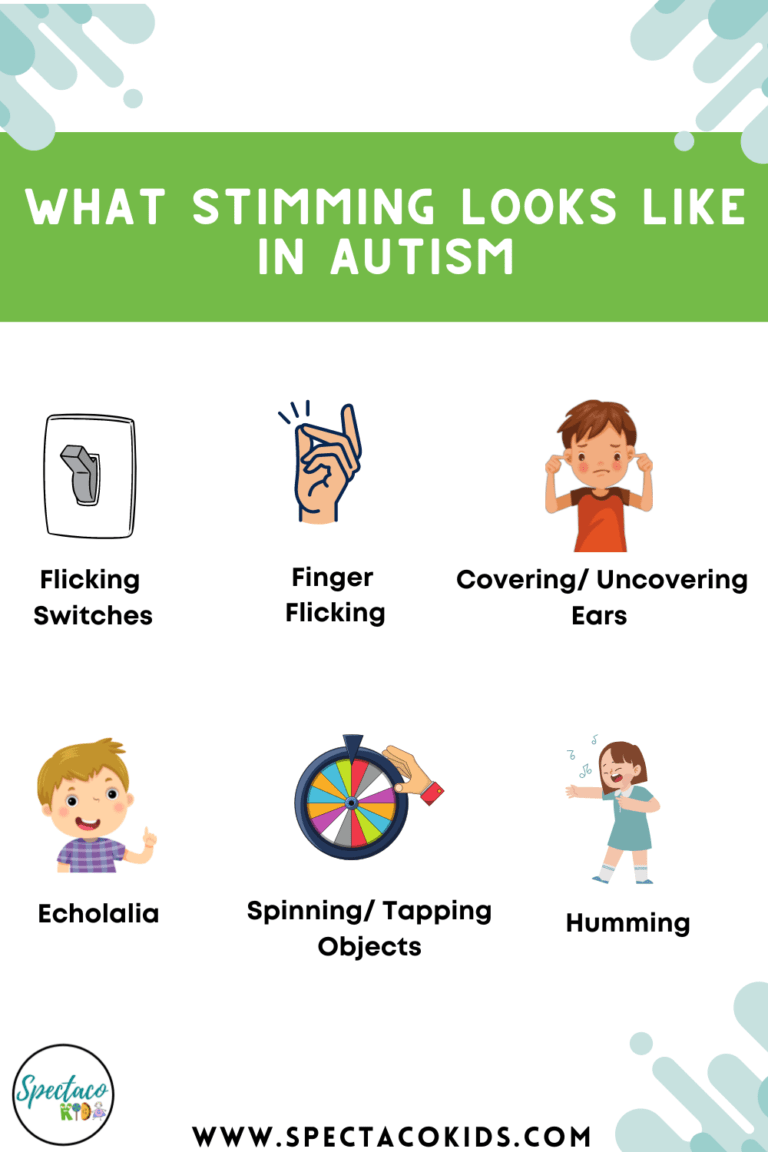
Stimming, shorthand for self-stimulatory behavior, includes repetitive motions or sounds such as rocking, tapping, humming, or spinning. This phenomenon is often misconstrued simply as restless or disruptive conduct. In actuality, stimming functions as a critical self-regulation mechanism. By engaging in these rhythmic activities, individuals modulate sensory input, alleviate anxiety, and establish a sense of internal equilibrium.
Scientific inquiry into stimming reveals its neurological underpinnings. Many individuals on the spectrum face sensory processing differences that can create hypersensitivity or hyposensitivity to stimuli. For example, a sudden loud noise might trigger distress, while monotone ambient sounds fail to register adequately. Stimming provides a conduit for balancing these extremes, allowing for sensory integration that mitigates overload or sensory deprivation.
Beyond physiological regulation, stimming often embodies emotional expression. An outward manifestation of excitement, frustration, or contentment can surface through these repetitive movements. Understanding this opens the door to more empathetic support rather than suppression of the behavior, acknowledging the method in what appears to be madness.
Routines and Rituals: Creating Stability in a Perpetual Flux
Routines and rigid adherence to rituals hold paramount importance within the autistic experience. Such patterns work as anchors, imparting a sense of predictability in a world that can be perceived as capriciously fluid. Changes in routine often provoke significant distress, underscoring the central role these behaviors play in emotional security.
By cementing repetition in daily life, individuals with autism scaffold their environment into intelligible segments. Ritualistic patterns reduce cognitive load, sparing mental energy for other processes. This predilection for sameness is not rooted in obstinance but in an intrinsic need for reliability and control.
Interestingly, these routines may intersect with stimming practices, blending sensory regulation with environmental predictability. This dual function presents a holistic framework through which repetitive behaviors facilitate coping strategies in social, sensory, and emotional realms.
Decoding the Deeper Fascination: Neurological and Psychological Perspectives
It is tempting to dismiss repetitive behaviors as mere eccentricities, but emerging neuroscience offers a more nuanced view. Brain imaging studies point to atypical connectivity patterns and variances in neurotransmitter systems which influence behaviors. In particular, regions involved in habit formation, such as the basal ganglia, show distinctive activation in individuals who engage in repetitive actions.
This neurological backdrop suggests that repetitive behaviors are not only self-soothing but also ingrained in the way autistic brains organize information and adapt to their milieu. The compulsion toward sameness and rhythm reflects fundamental modes of processing that diverge from neurotypical templates.
Psychologically, these behaviors reveal a captivating paradox: repetition which imbues a dynamic sense of mastery and competence. What might appear as mechanical reiteration is, to the individual, an avenue for creativity, control, and even joy. This reframes the autistic experience as less about limitation and more about a distinctive schema for experiencing reality.

Implications for Support and Understanding
Recognizing the layered purposes served by repetitive behaviors necessitates a paradigm shift in education, therapy, and caregiving. Rather than attempting to extinguish these behaviors outright, a more humane and evidence-based approach involves understanding their significance to the individual’s wellbeing.
Interventions that incorporate sensory integration therapy, structured routines, and channels for expressing stimming in socially acceptable ways can be profoundly beneficial. These strategies honor the fundamental neurodiversity inherent in autism while fostering adaptive skills and emotional resilience.
Ultimately, sensitivity to repetitive behaviors challenges caregivers and professionals to listen beyond the surface. Attuning to the underlying sensory and emotional needs empowers more effective support and enriches interpersonal connection.
Repetitive behaviors in autism, manifesting as stimming, routines, and ritualized interests, are far more than superficial quirks. They represent a sophisticated matrix of neurological, sensory, and emotional processes. By appreciating their complexity, one advocates for a deeper empathy and respect towards neurodivergence. Through this understanding, society can move toward inclusivity that celebrates difference rather than pathologizing it, recognizing the rich tapestry of human cognition in all its manifestations.