Nonverbal autism presents a unique set of challenges and opportunities within the spectrum of communication disorders. Individuals who fall into this category often face difficulties expressing themselves through conventional verbal language, necessitating the exploration of alternative strategies to foster connection, understanding, and growth. This article delves deeply into the multidimensional aspects of nonverbal autism, unraveling communication methodologies and support mechanisms designed to uplift and empower those navigating this distinctive reality.
Understanding Nonverbal Autism
Nonverbal autism refers to a subset of individuals on the autism spectrum who do not use spoken language as their primary mode of communication. This can stem from various neurological and developmental factors, resulting in a reliance on alternative means to convey needs, emotions, and thoughts. It is critical to recognize that nonverbal does not equate to non-communicative; rather, these individuals possess remarkably rich, albeit unconventional, communication repertoires that require careful deciphering and support.
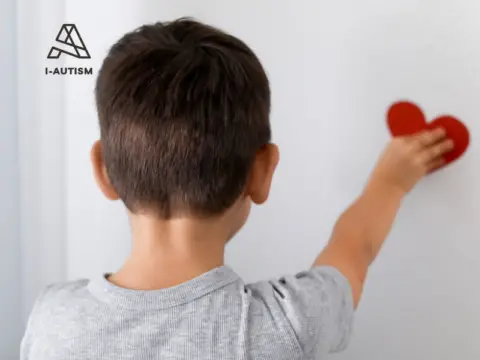
Caregivers, educators, and therapists play an essential role in identifying the unique communicative patterns an individual demonstrates. The nuances in body language, eye gaze, and facial expressions are more than mere gestures; they are the lexicon through which many nonverbal individuals narrate their inner experiences.
Augmentative and Alternative Communication (AAC) Systems
Modern technological advances and therapeutic interventions have significantly expanded the repertoire of AAC tools available to those with nonverbal autism. AAC encompasses a broad spectrum, ranging from low-tech picture exchange systems to sophisticated speech-generating devices. These tools serve as linguistic bridges, converting thoughts into comprehensible outputs, thereby enhancing autonomy.
Picture Exchange Communication Systems (PECS) are among the most utilized low-tech options, leveraging visual icons to represent objects, actions, and emotions. By selecting and exchanging pictures, individuals can initiate and sustain interactions, bridging the divide between intention and expression. Conversely, high-tech devices such as tablets equipped with specialized apps offer dynamic and customizable interfaces that adapt over time, aligning with the evolving communicative competence of the user.
Choosing appropriate AAC systems demands careful assessment of cognitive abilities, motor skills, and environmental contexts. Professionals often work closely with families to tailor these communication aids, ensuring that they resonate with the individual’s preferences and potentials.
Behavioral Interventions: The Role of Applied Behavior Analysis (ABA)
Applied Behavior Analysis represents a cornerstone in the therapeutic landscape addressing nonverbal autism. By implementing systematic, evidence-based approaches, ABA seeks to foster functional communication and social skills through reinforcement and repetition. Targeted programs concentrate on increasing intentional communication, eye contact, and the use of alternative signaling modalities.
ABA methodologies emphasize not only increasing communicative gestures but also addressing underlying behavioral impediments that may hamper expression. The intensive, personalized nature of ABA allows for consistent monitoring and timely adjustments, optimizing learning trajectories.
Speech Therapy and Multimodal Communication
While classic speech therapy may appear paradoxical when targeting nonverbal individuals, it remains a vital component of a holistic support strategy. Therapists employ multimodal communication techniques that blend oral motor exercises, sign language, and visual schedules to cultivate self-expression. These layered approaches acknowledge the heterogeneity within nonverbal autism, adapting to individual needs with precision and patience.
Sign language, in particular, offers an accessible mode of communication that can be both expressive and receptive. Encouraging the learning of even rudimentary signs can unlock pathways to interaction previously obscured by verbal limitations. The use of visual schedules and storyboards further enhances predictability and comprehension, reducing anxiety and promoting engagement.
Environmental Modifications and Sensory Integration
The environment plays a pivotal role in shaping communication opportunities for nonverbal individuals. Sensory sensitivities often intersect with communication, creating barriers that require thoughtful environmental adjustments. Dimming lights, minimizing background noise, and providing tactile stimuli can create calming spaces that foster focus and expression.
Incorporating sensory integration therapies, which address the processing of sensory inputs, can unearth new avenues for engagement. By calibrating sensory experiences, caregivers can help reduce overstimulation, thereby opening channels for communicative interaction that might otherwise remain closed.
The Importance of Family and Community Support
Communication extends beyond the individual; it encompasses the ecosystem of family, educators, and community members who interface daily with the person. Educating families on interpreting nonverbal cues, employing AAC devices, and utilizing supportive strategies is indispensable. Empowered caregivers become advocates and facilitators, ensuring continuity and consistency across settings.
Communities that understand and embrace neurodiversity enrich the lived experience of nonverbal individuals. Initiatives fostering inclusion, awareness, and accessibility help dismantle social isolation, promoting dignity and equitable participation. Support groups and peer networks offer solace and shared wisdom, further amplifying positive developmental outcomes.
Future Directions: Innovations and Research
Scientific inquiry continues to pioneer advancements aimed at enhancing communication capabilities and quality of life for those with nonverbal autism. Emerging research in brain-computer interface technology holds promise for bypassing traditional modes of expression altogether, translating neural activity directly into communication output.
Simultaneously, improvements in artificial intelligence are refining AAC devices, making them more intuitive and adaptable. These innovations underscore a hopeful trajectory where barriers to communication become progressively surmountable.
Ultimately, supporting nonverbal autism requires a multifaceted approach that honors individual differences and leverages technology, therapy, and social support in unison. Through patience, innovation, and empathy, pathways toward meaningful communication and connection continue to expand, illuminating the profound capacities of every individual on the spectrum.