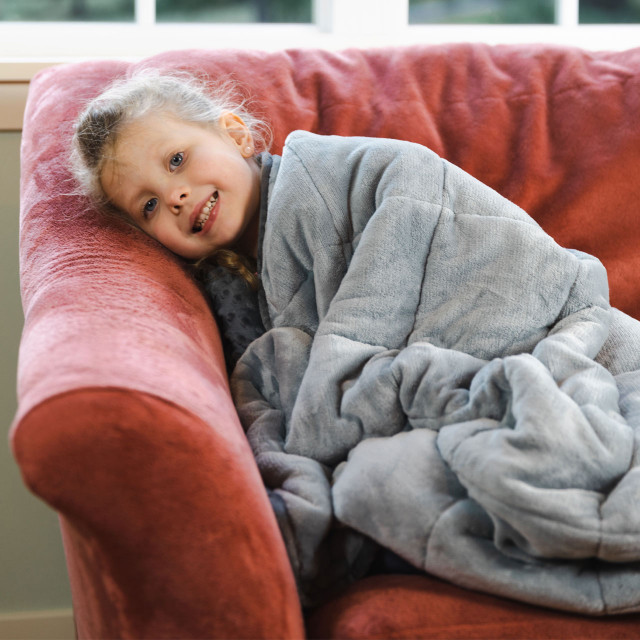
Weighted blankets have emerged as a transformative tool for individuals with autism, offering profound benefits beyond mere warmth and comfort. As we navigate the landscape of 2026, the options for weighted blankets have expanded, catering to an eclectic array of sensory needs and therapeutic goals. This article delves into the best weighted blankets tailored specifically for autism, unraveling the nuances of their designs, materials, and functionalities. Readers will uncover not just product recommendations, but a comprehensive understanding of how these blankets intersect with the unique sensory profiles characteristic of autism.
The Therapeutic Science Behind Weighted Blankets
Weighted blankets utilize the principle of deep pressure stimulation (DPS), a form of tactile input that can elicit calming effects on the nervous system. By applying gentle, evenly distributed pressure, these blankets simulate the sensation of a comforting hug, which can significantly mitigate anxiety, stress, and sensory overload common among individuals on the autism spectrum. The tactile engagement encourages serotonin and melatonin production, fostering relaxation and improved sleep quality. Understanding this foundational science aids in selecting blankets that maximize therapeutic benefit rather than mere tactile novelty.
Material Composition and Sensory Considerations
The material of a weighted blanket plays a pivotal role in its efficacy for users with sensory sensitivities. Hypoallergenic fabrics such as organic cotton, bamboo-derived textiles, or soft microsuede offer breathable comfort without irritating the skin. Weighted inserts are often composed of glass beads, plastic pellets, or steel shot, each with distinct tactile feedback and weight distribution characteristics.
Glass beads, for example, provide a smoother profile and reduced noise, ideal for children sensitive to auditory stimuli. Steel shot pellets offer a more compact fill, allowing thinner blankets that maintain subtle pressure without bulk, beneficial for those who may find thick layers overwhelming. Selecting the right combination of cover and fill materials ensures a harmonious balance between comfort, sensory acceptance, and durability.

Varieties of Weighted Blankets for Autism
In 2026, the market offers a diverse spectrum of weighted blankets tailored to multifaceted sensory needs. Three prominent categories include:
- Standard Weighted Blankets: Typically made with quilted panels evenly filled with weighted beads, these blankets distribute pressure evenly across the body. Ideal for older children and adults, they provide consistent deep pressure therapy conducive to relaxation and sleep regulation.
- Wearable Weighted Blankets: Innovative designs have introduced wearable variants, such as weighted ponchos or wraps, that allow mobility while delivering therapeutic pressure. These are particularly effective for users who require sensory input during active periods or transitions.
- Customizable Weighted Blankets: For those with specific sensory preferences, blankets with adjustable weights and removable layers provide flexibility. Parents and caregivers can tailor the level of pressure gradually, accommodating changing needs.

Size and Weight Recommendations
Choosing the correct weight and size of a blanket is paramount. Experts typically recommend weighted blankets equal to 10% of the user’s body weight, with a margin of one to two pounds. However, individual tolerance varies significantly, especially within the autism spectrum, depending on sensory processing profiles and comfort thresholds.
The blanket should be large enough to cover the user without imposing excess bulk on sensitive areas such as the face or limbs. Children’s blankets often come in smaller sizes but require careful attention to weight calibration. Oversized or excessively heavy blankets can induce discomfort, sensory aversion, or even safety risks, hence the necessity for gradual acclimation and monitoring.
Maintenance, Durability, and Safety Features
Weighted blankets necessitate thoughtful care to maintain their therapeutic integrity. Removable, machine-washable covers enhance hygiene while preserving the blanket’s internal weighted structure. Reinforced stitching and panel designs prevent shifting of weighted pellets, ensuring uniform pressure over time.
Additionally, several blankets incorporate cooling technologies such as moisture-wicking fabrics or breathable mesh layers, addressing potential overheating concerns — a frequent issue for individuals with altered thermoregulation typical in autism.
Safety certifications, including non-toxic materials and flame-retardant qualities, provide added assurance for parents and caregivers. Products designed with anti-slip backing or ergonomic shapes aid in maintaining blanket positioning during use, enhancing overall efficacy.
User Experiences and Expert Insights
Among caregivers and occupational therapists, weighted blankets have garnered acclaim for their ability to reduce meltdowns, improve focus, and promote restful sleep. Anecdotal evidence frequently highlights enhanced emotional regulation, increased independence during bedtime routines, and diminished sensory-seeking behaviors.
Professional guidance advocates for incorporating weighted blankets as part of a holistic sensory diet, integrated with individualized therapy plans. Regular assessment of user response and adaptability ensures optimal utilization and prevents over-reliance or sensitization.

Conclusion: Embracing Comfort with Purpose
Weighted blankets for autism in 2026 transcend traditional notions of comfort, serving as purposeful instruments of sensory regulation and emotional support. The multiplicity of designs, materials, and customizable features allows for personalized solutions that honor the diversity within the autism community.
Selecting the best weighted blanket involves consideration of sensory preferences, safety, therapeutic goals, and lifestyle integration. When chosen judiciously, these blankets provide a sanctuary, calming the turbulent waters of sensory overload and inviting tranquility, rest, and resilience into daily life.