Autism, a complex and multifaceted neurodevelopmental condition, has long been misunderstood through the prism of outdated myths and societal misconceptions. Among the most pernicious of these is the fallacious belief that autism results from “bad parenting.” This misconception, akin to mistaking the roots of an ancient oak for the shape of the branches, overlooks the deep biological and genetic foundations that constitute autism. To unravel this misconception is to embark on a journey of clarity and compassion, shedding light on the unique neurological landscapes that define individuals with autism.
The Neurological Architecture of Autism: Beyond Behavior
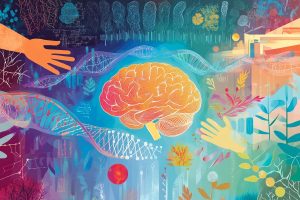
Autism spectrum disorder (ASD) is a constellation of characteristics rooted in neurobiology. It is an intricate architecture of the brain, woven with unique patterns of connectivity and function. These neurological variations manifest as differences in social communication, sensory processing, and behavior. The idea that such a profound condition can be attributed to parental behavior is a profound oversimplification—an attempt to assign blame where there is none. Scientific research has consistently shown that autism is not caused by environmental factors such as parenting style but rather by a complex interplay of genetics and prenatal influences.

Genetics: The Foundation Stone of Autism
Like the map of an ancient city hidden beneath layers of time, genetic studies have uncovered a profound hereditary component to autism. Multiple genes contribute to the likelihood of developing ASD, and these genetic markers are not influenced by parenting. Advances in genomics reveal that mutations, copy number variations, and inherited genetic predispositions form the scaffold upon which autism emerges. This genetic tapestry is unique to each individual, defying any notion that parenting could twist it into existence or alter its course.
Debunking the Myth: The Harm of “Blame” Narratives
Inspecting this myth is not just an academic exercise—it has tangible consequences. The narrative of “bad parenting” as a cause of autism propagates stigma, guilt, and misunderstanding. It is a corrosive shadow that erodes the confidence and emotional wellbeing of caregivers who are, in fact, striving to navigate uncharted territories. Parenting a child with autism demands resilience, empathy, and adaptability, qualities that are undermined by misplaced accusations. Such stigmatizing beliefs overlook not only the scientific reality but also the lived experience of families who often become advocates and champions for their children’s inclusion and acceptance.
Environmental and Prenatal Factors: The True External Influences
While parenting does not cause autism, research continues to explore environmental and prenatal factors that may contribute to risk. These can include advanced parental age, prenatal exposure to certain medications, and complications during pregnancy. However, these factors are biological in nature and not reflective of parenting quality or choices. Understanding autism through the lens of science requires discerning between external risks that impact prenatal development and the day-to-day nurturing practices of parents post-birth—two vastly different domains.
Embracing Neurodiversity: A Paradigm Shift
Moving beyond the blame game invites us to embrace the concept of neurodiversity—the recognition that neurological differences are a natural and valuable part of human variation. Autism, in this light, is not a flaw to be corrected but a different mode of experiencing and interacting with the world. This perspective enriches not only those with autism but society at large, fostering environments where individuality is celebrated and diverse cognitive styles are acknowledged as strengths rather than deficits.
Supporting Families: The Call for Empathy and Knowledge
The antidote to harmful misconceptions lies in education and empathy. Recognizing that autism is not caused by parenting allows communities to rally around families rather than isolate them. Support systems, inclusive policies, and informed advocacy are essential. Parents deserve to be seen as allies and experts on their children’s needs rather than scapegoats. By cultivating compassion and accurate knowledge, society can build a more understanding framework that uplifts rather than diminishes.
Conclusion: The Power of Understanding and Acceptance
Assigning blame for autism to parenting is like blaming the gardener for the shape of the tree’s branches—the growth is determined by unseen genetic roots and environmental soil, not the pruning shears. Dispelling this myth marks a vital step towards a compassionate and science-informed approach, one that honors the complexity of autism and respects the dedication of the families involved. In shifting our focus from blame to understanding, society can nurture an environment where children with autism are recognized for their unique gifts and potential.