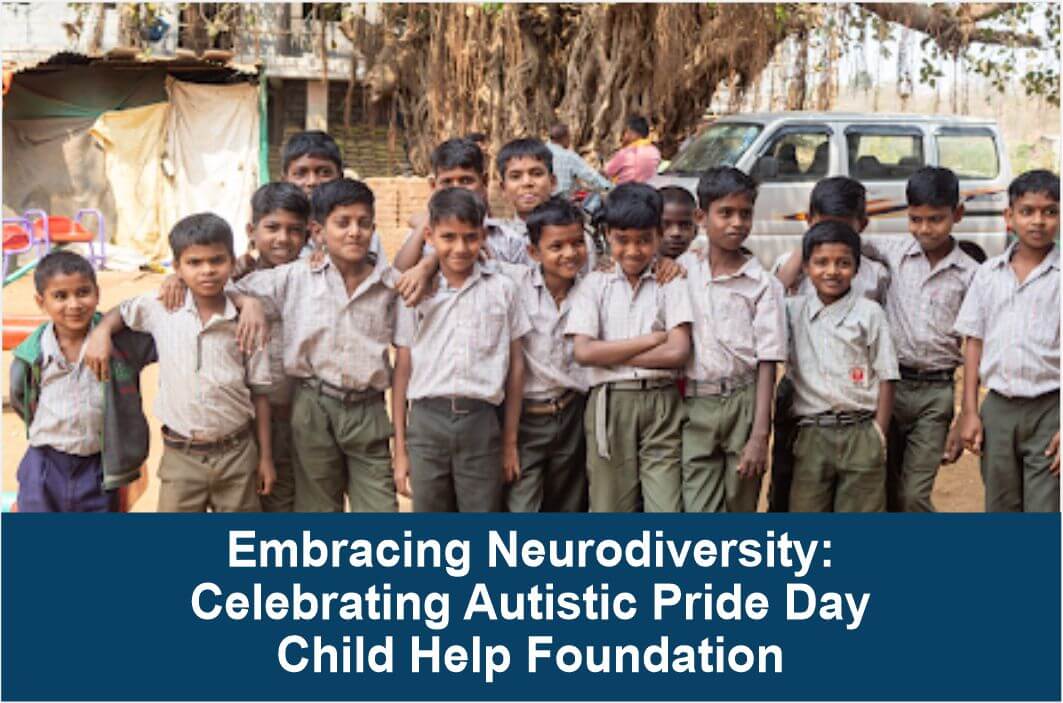
What if the characteristics society once labeled as disabilities are, in fact, integral facets of human diversity waiting to be acknowledged and celebrated? Could embracing autistic identities reshape not only how we perceive neurodiversity but also how we cultivate inclusive communities and environments? The neurodiversity movement challenges us to reconsider conventional narratives around autism, shifting from a deficit-focused paradigm towards one that venerates difference and advocates for acceptance. Yet, this beautiful reimagining is not without its complexities and hurdles.
The Genesis of the Neurodiversity Movement
Originating as a social and civil rights framework, the neurodiversity movement posits that neurological differences—autism being a pivotal aspect—are natural variations of the human genome. This perspective counters the pathologizing lens that has historically dominated medical and psychological approaches. Instead of perceiving autism solely as a disorder requiring remediation or cure, the movement champions the recognition of autistic individuals as valuable contributors to the rich mosaic of society.
The term “neurodiversity,” coined in the late 1990s, marked a philosophical and practical pivot. It fostered a collective identity among those whose brains operate differently and galvanized advocacy groups to push for systemic change. Yet, the journey toward mainstream acceptance remains complicated by entrenched stigmas and misinformation embedded deeply within societal structures.

Redefining Identity: Embracing Autistic Self-Perception
One of the movement’s most profound impacts lies in its valorization of autistic identity as a core component of self, not an ailment to be obscured. This reconceptualization empowers individuals to reclaim their narratives and celebrate their unique cognitive profiles. Autistic pride, once virtually unheard of, is now expressed globally through events, online communities, and activism, highlighting strengths such as heightened sensory perception, creativity, and alternative approaches to problem-solving.
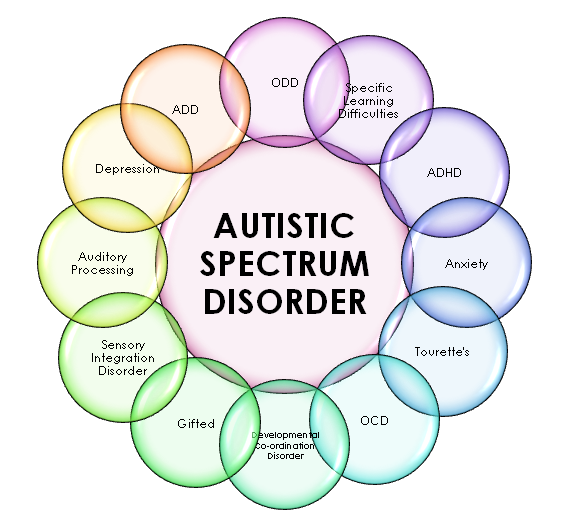
However, this embrace is not monolithic. Autistic individuals exhibit a vast spectrum of experiences—what one person identifies as a joyful, fulfilling identity may contrast starkly with another’s struggle for support and accommodation. Such heterogeneity poses a challenge: how can a movement galvanize solidarity while respecting the diverse needs and realities within its community?
Societal Challenges: Navigating Misconceptions and Systemic Barriers
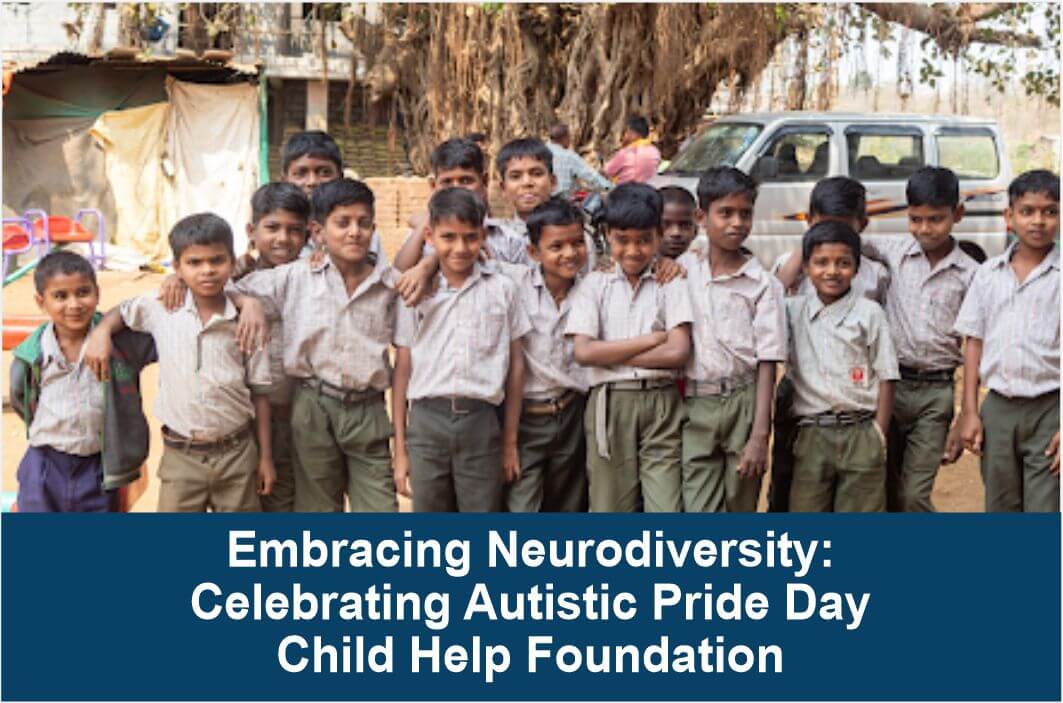
The neurodiversity movement’s progressive vision contends with considerable resistance. Stereotypes entrenched through decades of clinical focus on deficits perpetuate misunderstanding. Many continue to view autism through the prism of dysfunction and dependency, leading to policy decisions and social attitudes that marginalize autistic voices.
Moreover, educational and occupational systems frequently lack the flexibility to accommodate neurodiverse needs. This institutional inertia risks excluding talented individuals whose cognitive wiring does not conform to standardized expectations. The challenge, then, is twofold: dismantling prejudiced perceptions while simultaneously reshaping structures to foster genuine inclusion.
Celebrating Autistic Joy and Neurodiverse Strengths
Beyond the call for acceptance, the neurodiversity movement invites society to recognize and celebrate the intrinsic joy and capabilities of autistic individuals. Embracing autistic joy involves acknowledging moments of happiness and fulfillment natural to the autistic experience—be it through special interests, sensory appreciation, or authentic social bonds.
By spotlighting these positive attributes, the movement counters narratives of pity and charity, advocating instead for respect, dignity, and equal opportunity. This paradigm shift encourages environments that nurture autistic talents, leading to innovation and enriched communal life.

The Road Ahead: Toward Inclusive Societies
Embracing autistic identities within the broader context of neurodiversity necessitates a collaborative effort spanning policymakers, educators, employers, families, and autistic individuals themselves. Tailored support mechanisms and flexible frameworks must replace one-size-fits-all approaches. Advocacy and research should focus not solely on mitigating challenges but also on amplifying diverse voices and experiences.
This endeavor challenges contemporary society to rethink the foundations of normalcy, competence, and success. It beckons a future where difference is not feared or suppressed but recognized as an indispensable thread in the fabric of humanity.
Ultimately, the neurodiversity movement extends an invitation—a playful yet profound question—to reimagine what it means to be human. In doing so, it compels us to forge communities where autistic identities are not just tolerated but embraced and celebrated in their full complexity.