Autism spectrum disorder (ASD) is often discussed in the context of neurodevelopmental milestones, social communication, and behavioral patterns. Yet, as individuals on the spectrum transition into later life, their physical health demands equal attention. Chronic conditions—ranging from cardiovascular diseases to gastrointestinal disorders—pose unique challenges for autistic adults, shaped by lifelong sensory sensitivities, communication barriers, and systemic healthcare gaps. Navigating these complexities requires a nuanced understanding of how autism intersects with aging, particularly in managing long-term health. This article explores the multifaceted relationship between autism and physical well-being in later life, offering insights into prevalent chronic conditions, diagnostic hurdles, and evidence-based strategies for holistic care.
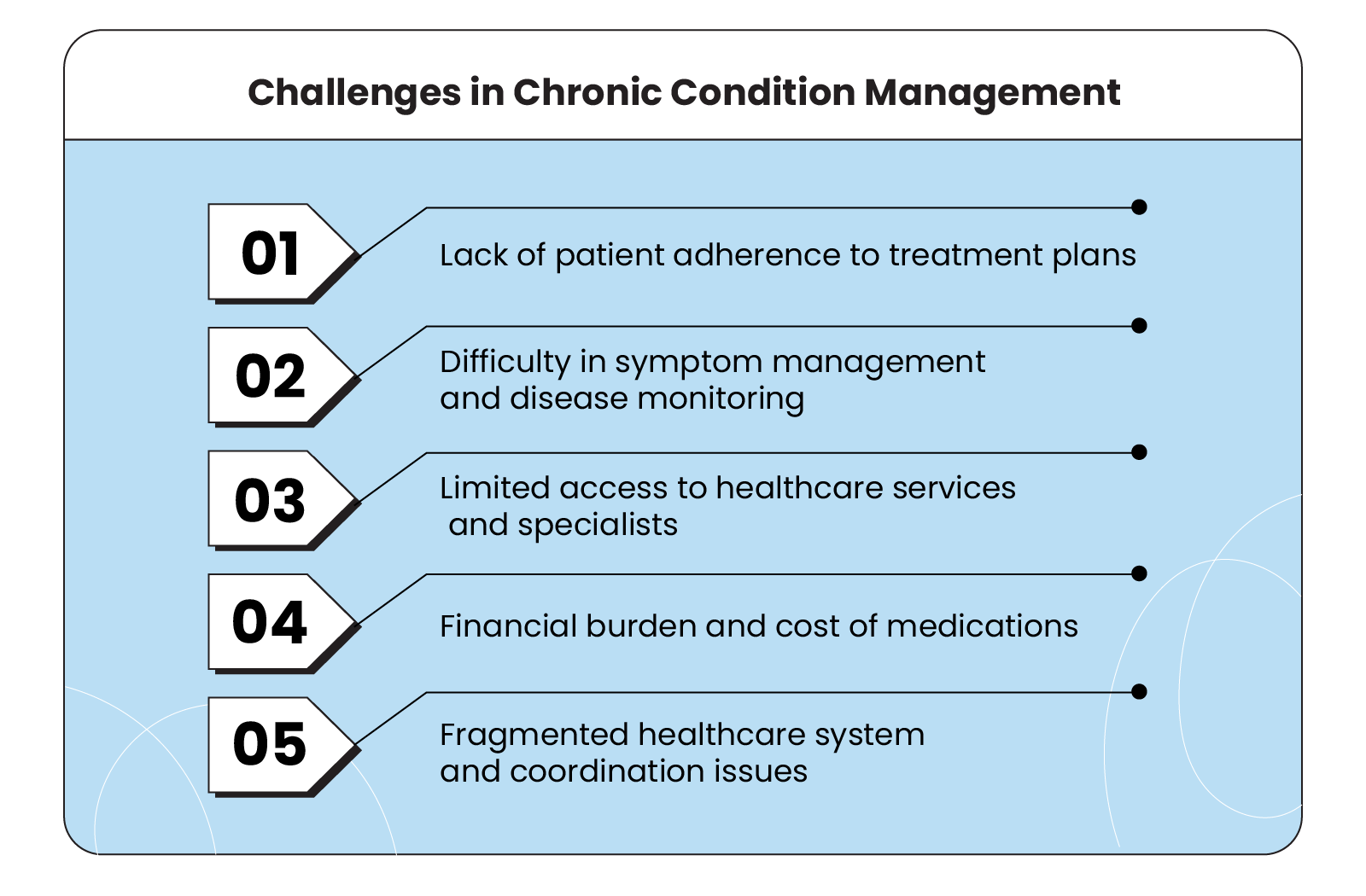
For autistic individuals over 50, the prevalence of chronic conditions often mirrors that of the general population, but the experience of illness is frequently compounded by diagnostic overshadowing—a phenomenon where symptoms are attributed to autism rather than underlying medical issues. Conditions such as hypertension, diabetes, and autoimmune disorders may manifest atypically, with sensory overload or communication difficulties obscuring early warning signs. The result? Delayed diagnoses, suboptimal treatment, and a heightened risk of complications. Understanding this intersection is not merely academic; it is a cornerstone of improving quality of life for an underserved demographic.
The Spectrum of Chronic Conditions in Autistic Adults
Autistic adults are disproportionately affected by a cluster of chronic health issues, many of which stem from lifelong patterns of sensory processing differences, restricted diets, and limited access to preventive care. Gastrointestinal (GI) disorders, for instance, are markedly more prevalent among autistic individuals, with studies suggesting rates as high as 90% in some cohorts. Conditions like irritable bowel syndrome (IBS), gastroesophageal reflux disease (GERD), and food intolerances often persist into later life, exacerbating malnutrition and systemic inflammation. The interplay between these disorders and autism is bidirectional: sensory aversions to certain textures or temperatures may restrict dietary variety, while chronic GI distress can heighten anxiety and sensory sensitivities, creating a vicious cycle.
Cardiovascular health also presents a paradox for autistic adults. While some research indicates lower rates of hypertension in younger autistic populations, the risk profile shifts dramatically with age. Sedentary lifestyles, often adopted due to motor coordination challenges or social anxiety, can predispose individuals to obesity and metabolic syndrome. Moreover, the stress of navigating a neurotypical world—coupled with systemic barriers to healthcare—may contribute to elevated cortisol levels, further straining the cardiovascular system. Neurological conditions, including epilepsy and Parkinson’s disease, are also more prevalent, with epilepsy affecting up to 30% of autistic adults over 40. The convergence of these chronic conditions demands a proactive, multidisciplinary approach to management.
Diagnostic Dilemmas: When Autism Masks Illness
The diagnostic journey for autistic adults with chronic conditions is fraught with obstacles, chief among them the conflation of symptoms with autistic traits. A persistent headache, for example, might be dismissed as a sensory overload issue rather than a potential sign of migraines or hypertension. Similarly, fatigue—often attributed to autistic burnout—could mask thyroid dysfunction or anemia. This diagnostic ambiguity is exacerbated by communication barriers; autistic individuals may struggle to articulate their symptoms or may not recognize them as abnormal, particularly if they have spent decades adapting to atypical bodily sensations.
Healthcare providers, too, may lack training in recognizing how autism alters the presentation of illness. Pain perception, for instance, can be blunted or heightened in autistic individuals, leading to underreporting of acute conditions like appendicitis or overreporting of minor discomfort. The result is a healthcare system that often fails to address physical health needs until crises arise. Addressing this gap requires both provider education and the implementation of autism-specific screening tools that account for these nuances.
Strategies for Proactive Health Management
Empowering autistic adults to manage chronic conditions begins with dismantling systemic barriers and fostering self-advocacy. One critical step is the development of personalized health plans that integrate sensory preferences, communication needs, and lifestyle factors. For example, individuals with GI disorders may benefit from a structured meal plan that avoids trigger foods while ensuring nutritional adequacy. Meanwhile, those with cardiovascular risks might find success in low-impact exercise routines tailored to their motor abilities, such as swimming or adaptive yoga.
Technology also plays a pivotal role in bridging gaps in care. Wearable health monitors can track vitals and detect anomalies, while telehealth platforms offer a low-stress alternative to in-person visits for those who struggle with sensory overload or transportation challenges. Additionally, the use of visual aids—such as symptom trackers or social stories—can help autistic individuals communicate their health needs more effectively to providers. These tools not only enhance autonomy but also reduce the cognitive load of managing complex health information.

Community support networks are equally vital. Peer-led health education groups can provide a safe space for sharing strategies and reducing isolation, while caregiver training programs can equip families with the tools to advocate for their autistic loved ones. Employers and policymakers also bear responsibility in creating inclusive environments—whether through flexible work arrangements that accommodate medical appointments or insurance policies that cover autism-specific healthcare services.
The Role of Caregivers and Healthcare Providers
For autistic adults who require support, caregivers and healthcare providers must adopt a collaborative, person-centered approach. This begins with a thorough understanding of the individual’s sensory profile, communication style, and past medical experiences. Providers should prioritize clear, jargon-free explanations and allow extra time for processing information. Caregivers, meanwhile, can act as liaisons between autistic individuals and the healthcare system, ensuring that symptoms are documented accurately and that treatment plans align with the individual’s needs.
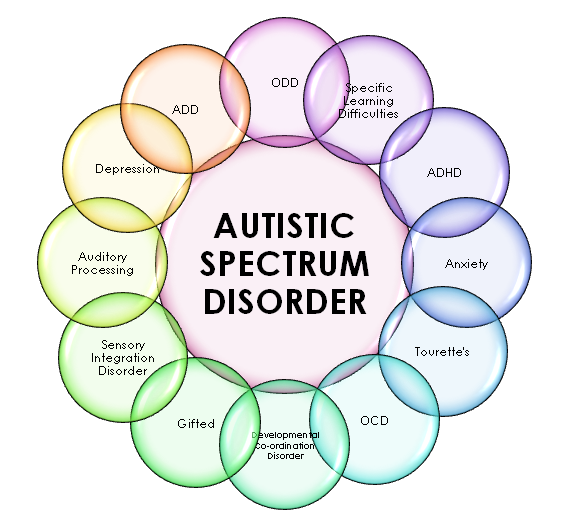
It is also essential to address the mental health implications of chronic illness. Depression and anxiety are common comorbidities in autistic adults, often exacerbated by the cumulative stress of managing multiple conditions. Cognitive behavioral therapy (CBT) adapted for autism, as well as mindfulness-based interventions, can help individuals cope with the emotional toll of chronic health challenges. Providers should also screen for burnout—a state of chronic exhaustion and reduced functioning that is particularly prevalent in autistic adults due to lifelong efforts to mask traits or navigate social expectations.
Future Directions: Research and Policy
The landscape of autism and aging research is still in its infancy, with significant gaps in longitudinal studies and data on older autistic populations. Future research must prioritize the intersection of autism with age-related conditions, exploring how lifelong sensory and cognitive differences influence the progression of chronic illnesses. Policymakers, too, have a role to play in funding targeted programs, such as geriatric autism clinics or specialized training for primary care providers. Without these efforts, the healthcare system will continue to fail a growing demographic of autistic adults.
In the meantime, advocacy remains a powerful tool for change. Autistic-led organizations are increasingly amplifying the voices of older adults, pushing for policies that prioritize accessibility, affordability, and dignity in healthcare. By centering the experiences of those most affected, these initiatives can drive systemic improvements that benefit the entire community.
Autism and physical health in later life are inextricably linked, yet the conversation around this intersection remains fragmented. Recognizing the unique challenges faced by autistic adults—from diagnostic overshadowing to systemic healthcare barriers—is the first step toward meaningful change. With proactive management, supportive communities, and a commitment to inclusive care, it is possible to enhance both longevity and quality of life for this underserved population. The journey is complex, but the destination—a future where autistic individuals age with dignity, autonomy, and robust health—is within reach.