Repetition plays a pivotal role in the learning processes of autistic individuals, serving as both a foundation and a catalyst for growth. Within the autistic experience, repetition transcends mere habit—it becomes a vital mechanism for assimilation, understanding, and communication. This article explores the multifaceted role of repetition in autistic learning, delineating the nuances of repetitive behaviors, their intrinsic value, and practical strategies for leveraging repetition to enhance developmental outcomes.
The Significance of Repetition in Cognitive Development
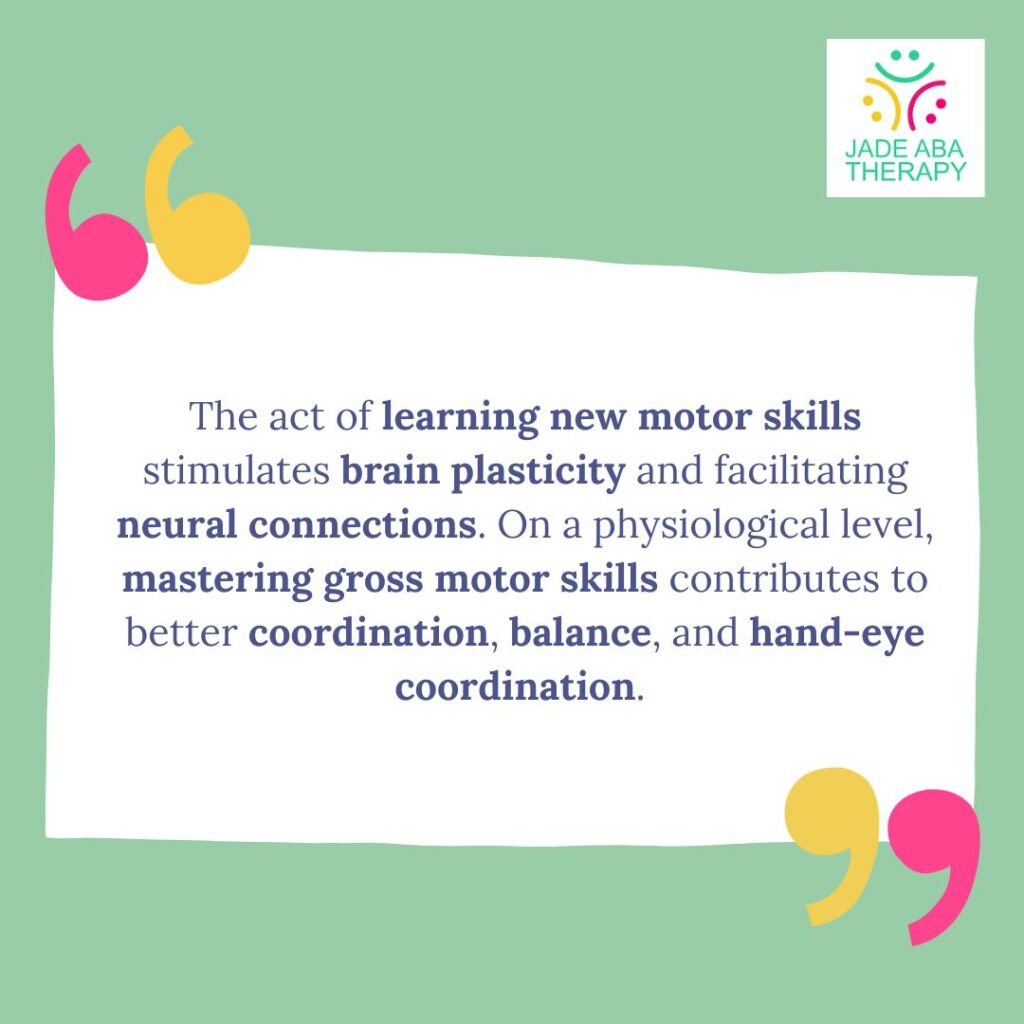
For many autistic individuals, repetition is not simply a routine but a crucial cognitive tool. Through repeated exposure and practice, neural pathways strengthen, facilitating memory retention and skill acquisition. This phenomenon, often referred to as neural plasticity, is especially pronounced when learning new concepts or routines. The constancy offered by repetition provides an anchor amidst the sometimes overwhelming sensory or social experiences, offering predictability that can alleviate anxiety and foster a sense of security.

Repetitive practice allows for mastery of complex tasks through incremental progression. This approach aligns well with the autistic preference for structure and order. As routines become internalized via repetition, they enable smoother transitions in daily activities, which although seemingly mundane, hold profound importance in self-regulation and independence.
Understanding Varied Forms of Repetitive Behaviors
Repetitive behaviors manifest diversely in autistic individuals, ranging from motor stereotypies and echolalia to ritualistic patterns and circumscribed interests. These behaviors, often misinterpreted as mere tics or disruptive actions, provide essential insights into the individual’s coping mechanisms and modes of information processing.

For instance, motor repetition such as hand-flapping or rocking can serve a self-soothing function, while verbal repetition like echolalia might facilitate language development or processing of complex social cues. Recognizing these as communicative or developmental tools rather than mere repetitive noise shifts the paradigm towards a more empathetic and effective support system.
Repetition as a Scaffold for Communication and Social Interaction
Communication remains a vital area where repetition exerts notable influence. Autistic learners frequently utilize repetitive speech or interactions as a method to encode information or practice social exchanges in a controlled manner. This reiteration helps to embed vocabulary, sentence structures, and conversational norms into their linguistic repertoire.
Moreover, structured repetition in social contexts can reduce unpredictability and build confidence. Role-playing scenarios or scripted dialogues practiced repetitively empower autistic individuals to navigate social interactions with increased assurance. This strategy is instrumental in ameliorating social anxiety and enhancing reciprocal communication skills.
Integrating Repetition in Educational Interventions
Educators and therapists capitalize on the inherent affinity for repetition in designing effective teaching methodologies. Applied Behavioral Analysis (ABA), for example, employs repetitive drills and routines tailored to reinforce desired behaviors or skills, progressively fading scaffolding as mastery is achieved.
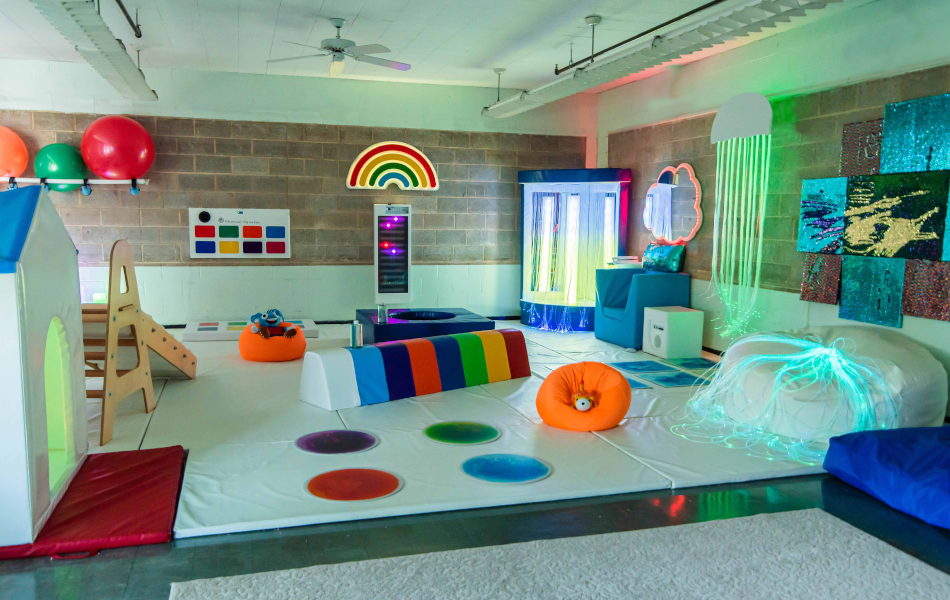
Incorporating visual schedules, repetitive practice of daily living skills, and multi-sensory learning approaches provides a robust framework. These techniques optimize engagement by meeting learners at their intrinsic operational style. Furthermore, repetition aids in generalization—translating learned skills from controlled environments to spontaneous real-world applications.
The Dual-Edged Nature of Repetition
While repetition has undeniable benefits, it is crucial to recognize its potential pitfalls. Excessive or inflexible repetitive behaviors might impede adaptability, limit exploratory learning, and, at times, contribute to social isolation. Thus, careful calibration is essential to balance the comfort and structure repetition provides with opportunities for novel experiences and cognitive flexibility.
Caregivers and professionals must distinguish between functional repetition that supports learning and repetitive behaviors that may signify distress or obstruction. Tailored strategies can then be designed to gently expand comfort zones, using repetition as a bridge rather than a barrier to development.
Repetition Beyond Childhood: Lifespan Perspectives
Repetition remains a consistent thread throughout the life of autistic individuals. In adulthood, recurrent routines and repeated verbal or behavioral patterns often serve continued functions of grounding and communication. Adults harness learned repetitive frameworks to manage daily complexities and maintain mental equilibrium.
Embracing these lifelong patterns with understanding and adaptive strategies inspires interventions that resonate with individual needs, promoting autonomy and quality of life across the lifespan.
Conclusion: Harnessing the Power of Repetition
Repetition, far from being a mere behavioral quirk, forms the backbone of autistic learning and adaptation. It fosters cognitive growth, nurtures communication skills, and builds foundational structures for independence. Recognizing repetition’s nuanced roles allows for tailored interventions and compassionate support, enabling autistic individuals to flourish in their unique learning journeys.
Ultimately, viewing repetition not as an obstacle but as a powerful aid unlocks avenues for enriched understanding, effective teaching, and meaningful engagement that honor the intricacies of autistic experience.