Teaching an autistic child to read presents unique challenges and opportunities that require a nuanced and empathetic approach. Reading is not merely a functional skill but a gateway to communication, understanding, and empowerment. The journey toward literacy for children on the autism spectrum involves recognizing their individual strengths and tailoring strategies that accommodate their distinctive learning profiles. This exploration delves into various methodologies, instructional techniques, and educational philosophies designed to foster reading proficiency in autistic learners.
Understanding the Foundations of Reading for Autistic Children
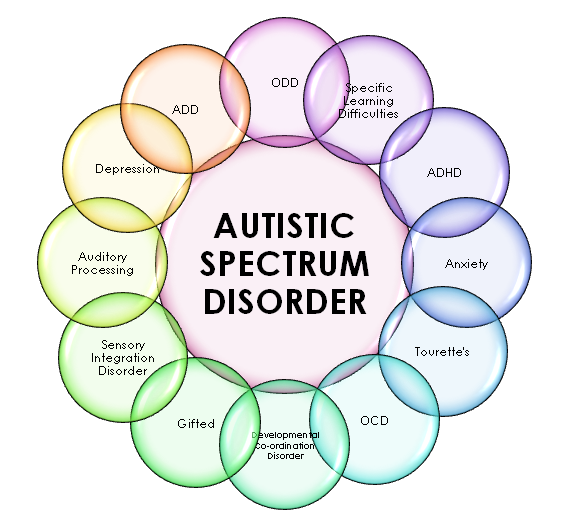
Before embarking on a structured reading program, it is pivotal to comprehend the cognitive and sensory dimensions that influence how an autistic child processes language. Many children with autism experience variations in sensory perception and may exhibit focused interests or repetitive behaviors, which can significantly impact their learning pathways. Emphasizing phonological awareness—the ability to discern and manipulate sounds in speech—lays the groundwork for decoding written language. Simultaneously, nurturing comprehension skills ensures that reading transcends mechanical decoding.
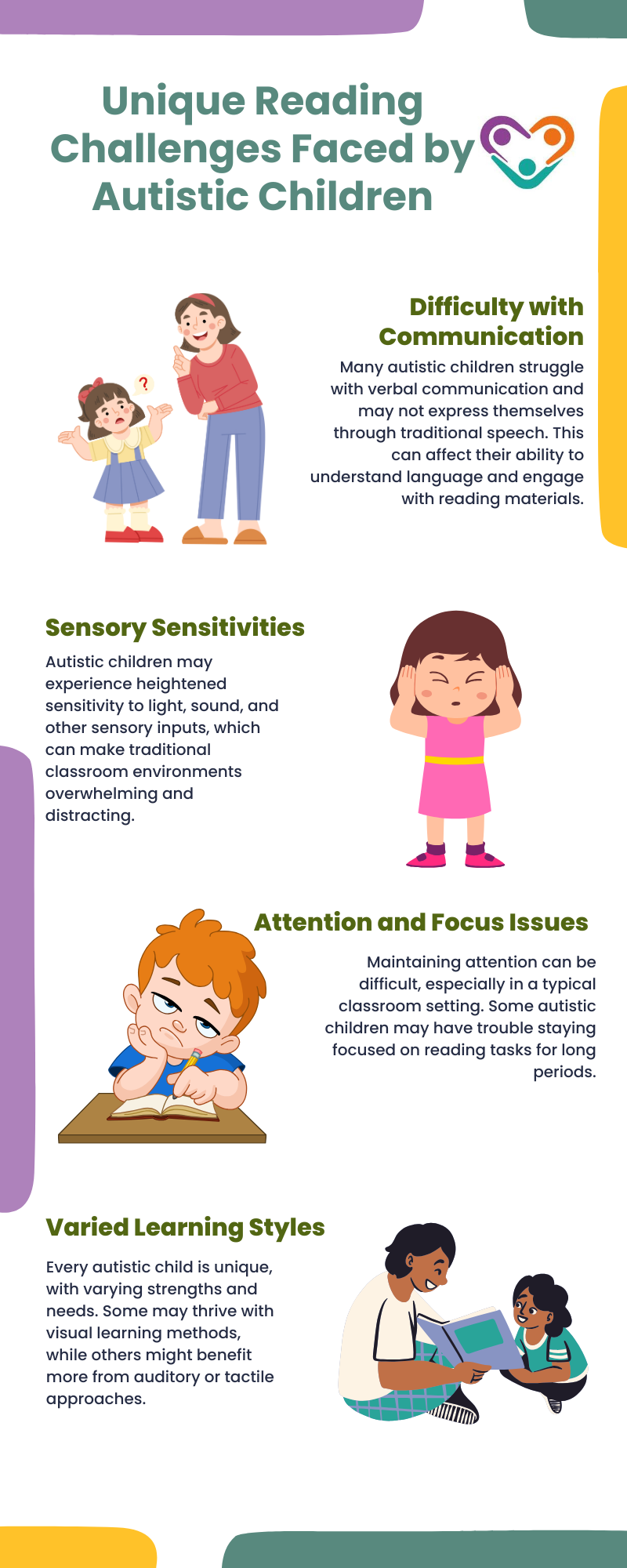
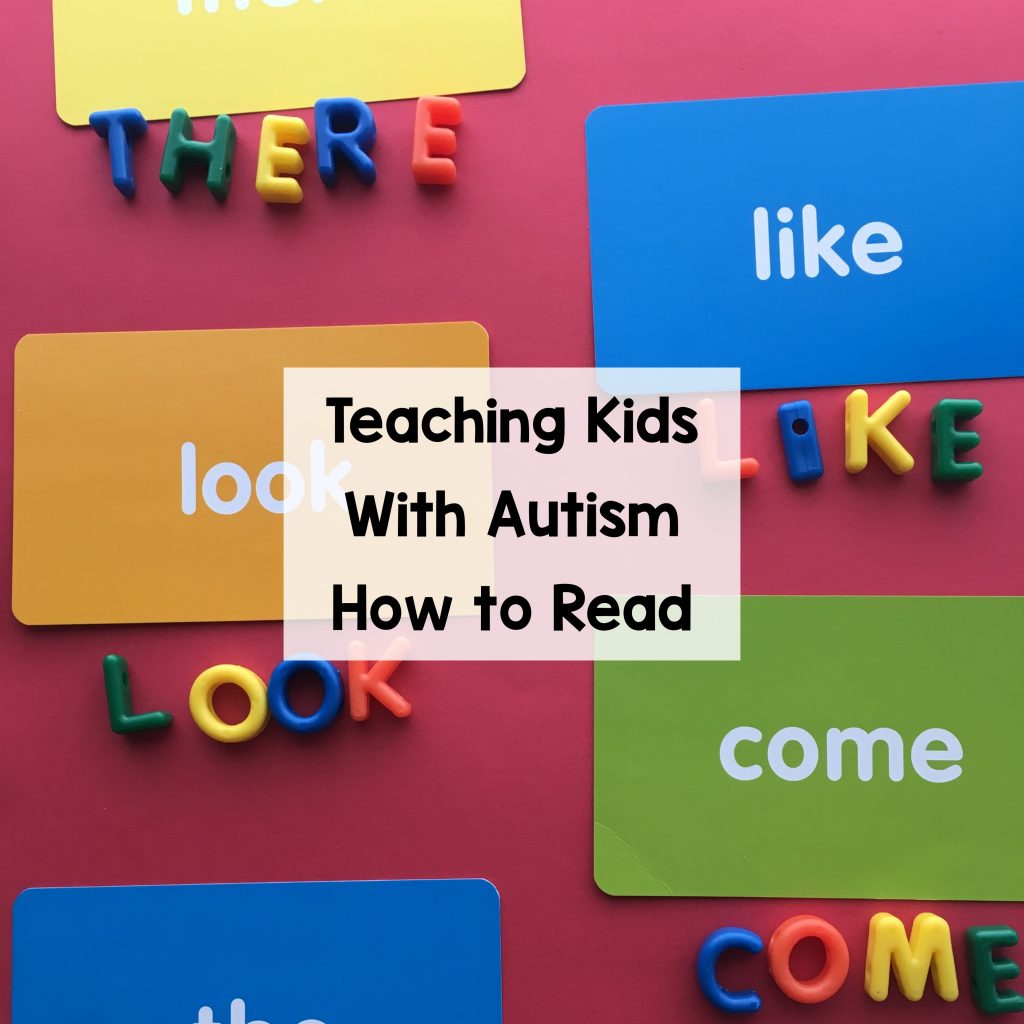
Effective instruction is often predicated on multisensory engagement. Utilizing visual supports, such as pictograms or color-coded text, taps into visual strengths that many autistic learners exhibit. Incorporating auditory cues aligned with visual stimuli can reinforce literacy concepts, creating a holistic learning experience.
Customized Instructional Approaches and Techniques
There is no singular formula when teaching reading to autistic children; instead, a repertoire of tailored approaches proves indispensable. One prominent strategy is the use of explicit, systematic phonics instruction. This method involves teaching grapheme-phoneme correspondences methodically, ensuring that learners grasp the building blocks of language in a logical sequence.
Conversely, for some autistic children, Whole Language instruction—which relies on exposing children to complete texts and emphasizing meaning over sound—may be more effective, especially for those who benefit from context-rich environments. Hybridizing phonics with whole language approaches frequently yields the most robust results.
Additionally, augmentative and alternative communication (AAC) systems, including picture exchange systems or speech-generating devices, can support emergent literacy by providing alternative avenues for understanding and expression.
Incorporating Technology and Interactive Media
Technological tools have revolutionized literacy instruction for autistic children. Educational apps designed with accessibility in mind offer individualized pacing and immediate feedback, which are essential for maintaining engagement and motivation. Interactive ebooks with audio narration and highlighting reinforce decoding and ensure that comprehension remains at the forefront.
Moreover, gamified learning platforms capitalize on predictable routines and reward systems to encourage practice and reinforce progress. These digital resources often include customizable content, permitting educators and caregivers to align reading material with the child’s interests and developmental level.
Building Vocabulary and Comprehension through Contextual Learning
Reading transcends decoding; comprehension lies at the core of literacy success. Expanding vocabulary and fostering inferential skills are critical components that enable children to derive meaning and relate text to their lived experience. Contextual learning strategies, such as thematic units and story mapping, scaffold comprehension by linking new words and concepts to familiar topics.
Engaging in shared reading sessions provides opportunities for guided discussion, enabling children to articulate understanding and ask questions. Visual storybooks with explicit illustrations help anchor language to concrete images, facilitating better retention and recall.

Pre-teaching vocabulary and previewing story elements build anticipation and reduce anxiety, equipping autistic readers with the tools to navigate texts confidently. Utilizing graphic organizers, such as semantic webs or storyboards, further aids in organizing thoughts and sequential information.
Creating a Supportive and Sensory-Friendly Learning Environment
The physical and social context in which reading instruction occurs profoundly affects learning outcomes. Minimizing sensory distractions and incorporating predictable routines cultivate a safe space conducive to focus and exploration. Soft lighting, noise-canceling headphones, and comfortable seating arrangements can alleviate sensory overload and promote sustained attention.
Social communication challenges inherent in autism can be addressed by employing peer-assisted learning models and collaborative activities designed to foster interaction and motivation. Encouraging self-regulation techniques and providing clear, concise instructions empower learners to manage their own learning process.
Monitoring Progress and Adapting Instruction
Ongoing assessment and flexible adjustments are indispensable in teaching reading effectively. Utilizing both formative and summative assessments helps track skill acquisition and identify areas requiring reinforcement. Observational data, in addition to standardized testing, paint a comprehensive portrait of the child’s literacy development.
Instruction should remain fluid, adapting to the child’s evolving needs and interests. Incorporating their preferred topics into reading materials not only bolsters intrinsic motivation but also enhances engagement and retention. Providing positive reinforcement and celebrating milestones nurtures self-esteem and encourages perseverance.
Teaching an autistic child to read is a dynamic and rewarding endeavor that integrates knowledge, innovation, and compassion. Through a multifaceted approach—melding structured phonics, contextual learning, technological aids, and supportive environments—literacy becomes an attainable and enriching goal. In cultivating reading skills, educators and caregivers unlock a vital channel of communication and expression, paving the way for lifelong learning and connection.