

In the labyrinth of parenthood, where every turn presents a new challenge, the stroller emerges as a steadfast companion—a mobile sanctuary that cradles not just a child, but the very essence of care and connection. For parents navigating the intricate landscape of autism, this vessel of mobility takes on an even deeper significance. Autism, with its spectrum of sensory sensitivities and behavioral nuances, demands a stroller that transcends the ordinary, offering a cocoon of comfort where overstimulation is quelled and security is paramount. This is not merely about transportation; it’s about crafting an environment where every journey becomes a voyage of reassurance, where the hum of wheels on pavement harmonizes with the rhythm of a child’s inner world.
The intersection of autism and stroller selection is a delicate dance between practicality and empathy. A child on the spectrum may experience the world in bursts of brilliance and storms of overwhelm, where the rustle of leaves or the glare of sunlight can feel like a symphony of chaos. Here, the stroller is not just a piece of equipment—it’s a sanctuary on wheels, a place where sensory equilibrium is restored through thoughtful design. The right stroller becomes a silent ally, its contours molding to the child’s needs, its features whispering promises of safety in a world that often feels too loud, too bright, or too unpredictable.
The Sensory Symphony: Why Stroller Design Matters for Autistic Children
Imagine the stroller as a conductor’s baton, orchestrating a symphony of sensations for a child whose world is a cacophony of stimuli. For autistic children, the tactile embrace of a plush seat, the muted hum of a well-insulated canopy, and the gentle sway of suspension can transform a simple outing into a serene experience. The wrong stroller, however, is like a discordant note—its rigid frame jarring against sensitive skin, its noisy wheels amplifying every pebble on the path, its unyielding straps digging into shoulders like an ill-fitted garment.
Key features to consider include:
- Adjustable Recline: A reclining seat mimics the comforting embrace of a parent’s arms, allowing a child to retreat into a semi-fetal position when the world feels too vast.
- Noise Reduction: Wheels with shock-absorbing tires and silent bearings prevent the stroller from becoming a roaring beast, sparing sensitive ears from the assault of clattering vibrations.
- Breathable Fabrics: Mesh panels and moisture-wicking linings prevent the stifling heat of sensory overload, ensuring the stroller breathes as freely as the child within.
- Customizable Harnesses: Straps that adjust with precision prevent the sensation of being restrained, offering security without the pressure of confinement.
The stroller, in this context, is not a mere accessory but a therapeutic tool—a way to curate the child’s environment, to filter the noise of the outside world into something manageable, even soothing. It is the difference between a child who cowers at the mere sight of a bustling street and one who gazes out with quiet curiosity, shielded by the thoughtful design of their mobile haven.

Safety as Sanctuary: The Unseen Armor of a Thoughtful Stroller
Safety for an autistic child is not just about buckles and brakes—it is about creating a fortress of predictability in a world that often feels like a minefield of unpredictability. A stroller’s safety features must be intuitive, foolproof, and, above all, reassuring. The five-point harness, for instance, is not just a restraint; it is a lifeline, a way to tether a child to the stroller without the terror of being trapped. For a child who may bolt without warning, a stroller with a secure, easy-to-use harness is the difference between a moment of panic and a journey of calm.
Consider the following safety innovations:
- Lockable Swivel Wheels: These prevent the stroller from veering unpredictably, offering a sense of control to both child and caregiver.
- Adjustable Footrests: A child who fidgets or rocks can find solace in a footrest that molds to their movements, preventing the stroller from tipping or becoming unbalanced.
- Weight Distribution Systems: A stroller that is too heavy or poorly balanced can feel like an anchor, dragging a child into discomfort. Lightweight, yet sturdy frames distribute weight evenly, ensuring smooth gliding without the strain of imbalance.
- Emergency Release Mechanisms: In the rare event of a malfunction, a quick-release system allows the caregiver to free the child without delay, turning panic into poise.
The stroller, in this light, is a guardian—a silent sentinel that stands between chaos and calm. It is the difference between a parent’s constant vigilance and the peace of mind that comes from knowing their child is secure, no matter where the journey takes them.
The Aesthetic of Comfort: Blending Style with Sensory Needs
Comfort is not solely a tactile experience; it is also a visual one. The colors, patterns, and textures of a stroller can either soothe or agitate an autistic child’s senses. Bright, clashing hues may feel like a visual assault, while muted, earthy tones can create a calming backdrop. Similarly, the texture of the fabric—whether it’s the smoothness of synthetic fibers or the softness of organic cotton—can influence a child’s willingness to sit and relax.
For parents who wish to blend style with sensory sensitivity, consider the following design elements:
- Neutral or Pastel Palettes: Soft blues, gentle greens, and warm beiges can create a serene visual environment, reducing the likelihood of overstimulation.
- Minimalist Patterns: Subtle stripes or understated motifs prevent the stroller from becoming a distraction, allowing the child to focus on the world around them without visual clutter.
- Removable, Washable Covers: A stroller that can be easily cleaned and customized with different covers allows parents to adapt the aesthetic to their child’s changing preferences.
The stroller, then, becomes a canvas—a way to express not just the parent’s taste, but the child’s comfort. It is a blend of art and function, where every stitch and seam is a testament to the care invested in the child’s well-being.
Navigating the World: Strollers as Bridges to New Experiences
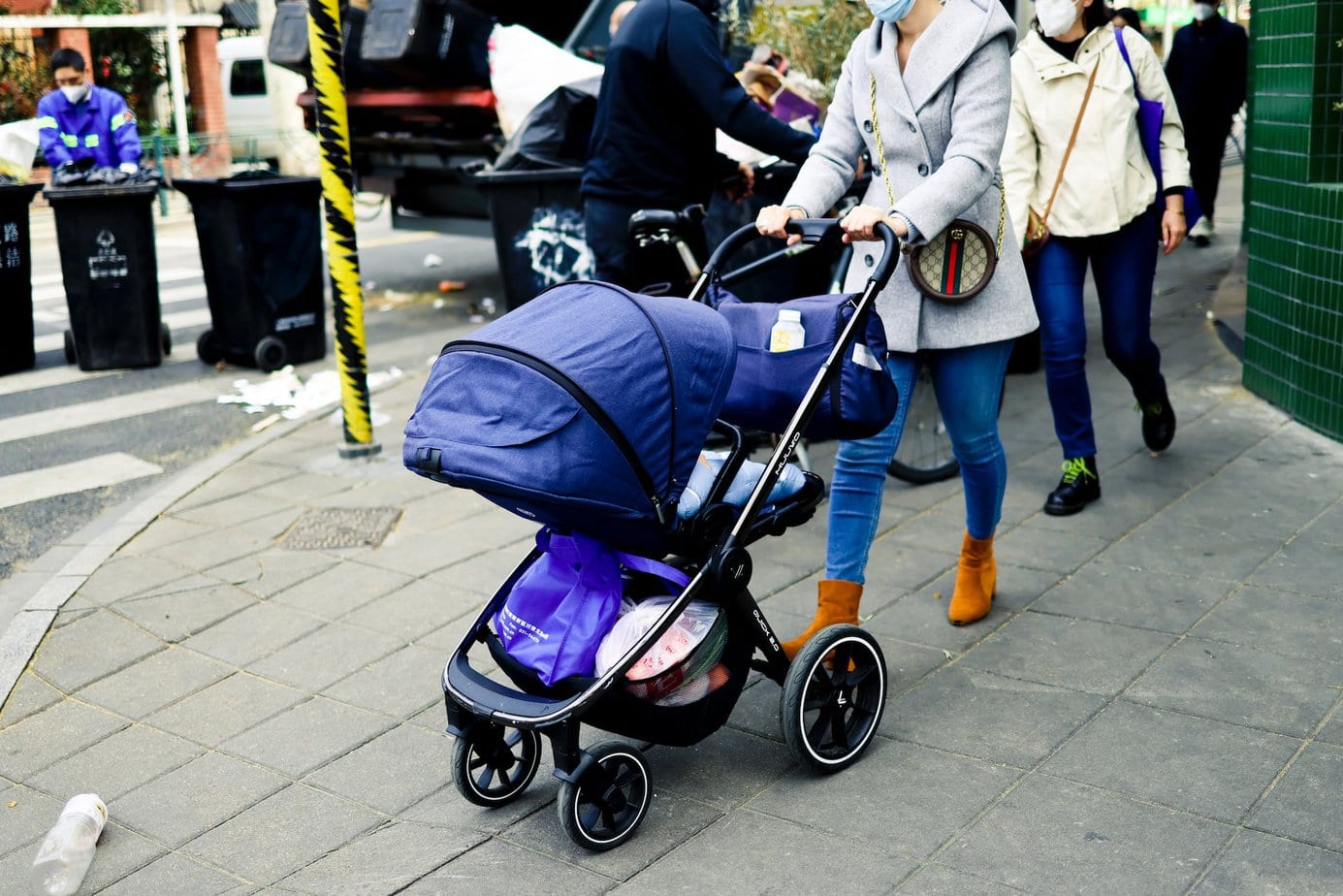
The stroller is more than a mode of transport; it is a bridge—a way for autistic children to explore the world without the overwhelming demands of their environment. For a child who may struggle with crowded spaces or unfamiliar textures, the stroller provides a controlled environment where they can observe, learn, and grow. It is a mobile classroom, a sensory gym, and a place of retreat all rolled into one.
Consider the following scenarios where a well-chosen stroller can make all the difference:
- Public Outings: A stroller with a large, protective canopy shields a child from the sensory overload of a bustling market or a noisy playground, allowing them to participate without distress.
- Nature Walks: A lightweight, all-terrain stroller enables a child to experience the sights and sounds of nature in comfort, with suspension that softens the jarring impact of uneven paths.
- Therapeutic Outings: Whether it’s a visit to a sensory-friendly museum or a therapy session, the stroller becomes a portable safe space, a place where the child can retreat when the world feels too intense.
The stroller, in this sense, is a key that unlocks the door to new experiences. It is not a cage, but a vessel—a way for autistic children to engage with the world on their own terms, at their own pace.
Choosing the Right Stroller: A Guide for the Discerning Parent
Selecting the perfect stroller for an autistic child is a process of discovery, a journey of trial and error that requires patience, research, and a deep understanding of the child’s unique needs. It is not a decision to be made lightly, for the wrong stroller can turn a simple outing into a source of distress, while the right one can open doors to a world of possibility.
Begin with the following steps:
- Assess Sensory Needs: Does your child prefer deep pressure, soft textures, or minimal stimulation? Choose a stroller that aligns with their sensory preferences.
- Test Before You Buy: Whenever possible, test strollers in person to gauge your child’s reaction. A stroller that feels comfortable to you may not be the right fit for your child.
- Prioritize Adjustability: Look for strollers with customizable features—reclining seats, adjustable harnesses, and removable canopies—that can adapt as your child grows and their needs evolve.
- Read Reviews from Other Parents: The experiences of other caregivers can provide invaluable insights into the real-world performance of a stroller, from its noise levels to its ease of use.
- Consider Longevity: A stroller that can grow with your child, accommodating their changing needs and preferences, is an investment in both comfort and convenience.
The right stroller is not just a purchase; it is a partnership—a way to ensure that every journey is a step toward greater comfort, confidence, and connection.
The Journey Ahead: Strollers as Companions in Growth
As children on the autism spectrum grow, their relationship with their stroller evolves. What once was a place of retreat may become a space of independence, a place where they can observe the world from a position of security. The stroller, then, is not just a tool for the early years—it is a companion in growth, a silent witness to the milestones of childhood.
For parents, the stroller is a reminder that comfort and safety are not luxuries, but necessities. It is a testament to the power of thoughtful design, a way to ensure that every outing is an opportunity for connection rather than a source of stress. And for the child, it is a sanctuary—a place where the world feels a little less overwhelming, a little more manageable.
The path of parenthood is fraught with challenges, but with the right stroller, it can also be a journey of discovery, of growth, and of profound connection. In the end, the stroller is more than a piece of equipment; it is a lifeline, a sanctuary, and a bridge to a world that, with the right tools, can be explored with curiosity and calm.











