
Halloween is a night of magic, mischief, and make-believe—but for children on the autism spectrum, the sensory overload of costumes, crowds, and cacophonous celebrations can transform a whimsical evening into a daunting ordeal. What if the very thing meant to spark joy—dressing up—becomes a source of distress? How can parents and caregivers craft an experience that balances festivity with comfort, ensuring every child feels celebrated rather than overwhelmed? The answer lies in reimagining costumes not as rigid disguises, but as adaptable extensions of individuality, designed to nurture rather than overstimulate. This guide explores sensory-friendly Halloween ideas that transform potential challenges into moments of triumph, proving that inclusion can be as enchanting as the holiday itself.
The Sensory Paradox: Why Costumes Can Feel Like Armor—or a Straitjacket
For neurotypical children, costumes are a passport to fantasy, a chance to shed their everyday selves and embrace a character’s persona. But for autistic children, the tactile, visual, and auditory stimuli of traditional costumes can feel like an assault on the senses. The scratchy fabric of a polyester pirate’s coat might feel like sandpaper against skin. The tight elastic of a mask could trigger a fight-or-flight response. Even the weight of a foam sword or the scent of face paint can become unbearable. These reactions aren’t a lack of imagination—they’re a reflection of a nervous system wired to process the world differently. The key to overcoming this sensory paradox lies in prioritizing comfort without sacrificing creativity, ensuring that the costume becomes a second skin rather than a source of torment.
Fabric First: Choosing Materials That Feel Like a Hug
The foundation of any sensory-friendly costume is the fabric. Opt for soft, breathable materials like cotton, fleece, or bamboo blends that mimic the gentle touch of everyday clothing. Avoid synthetics like polyester or nylon, which can trap heat and irritate sensitive skin. For children who recoil at the feel of tags, choose tagless options or remove them entirely. Weighted fabrics, such as those infused with microbeads or gentle compression panels, can provide calming deep-pressure input, turning the costume into a soothing sensory tool. Consider layering options—lightweight cardigans or vests that can be easily removed if the child becomes overheated. The goal isn’t just to dress up, but to dress comfortably, ensuring the costume feels like an extension of the child rather than a foreign object.
Masks and Makeup: Rethinking the Face of Halloween
Masks are a Halloween staple, but for autistic children, they can be a minefield of discomfort. The tight fit, the unfamiliar pressure on the face, and the inability to breathe freely can make even the most exciting costume feel like a prison. Instead of traditional masks, consider face paint that’s hypoallergenic and fragrance-free, applied in broad, simple strokes that allow the child to see and breathe without obstruction. For those who can’t tolerate paint, lightweight, breathable face coverings made from stretchy fabric—think superhero domino masks or animal ear headbands—can provide the illusion of a mask without the sensory penalty. Alternatively, skip the mask entirely and focus on accessories like hats, wigs, or capes that frame the face without enclosing it. The aim is to capture the spirit of the character without sacrificing the child’s comfort or safety.
DIY Delights: Crafting Costumes That Grow with the Child
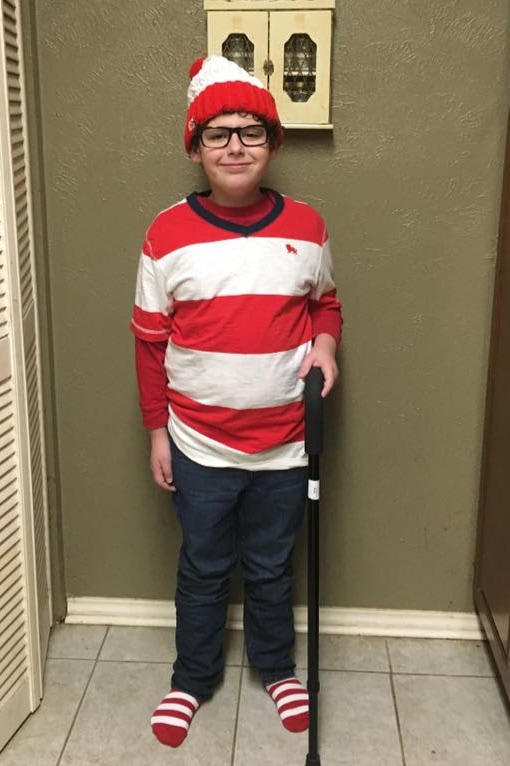
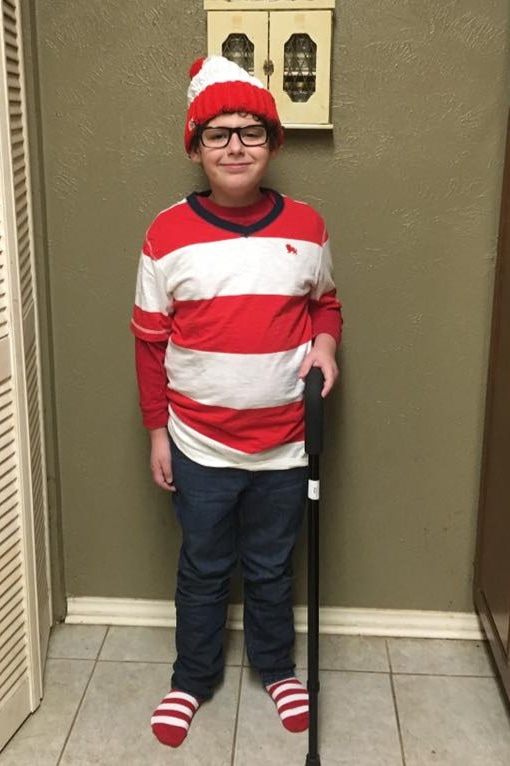
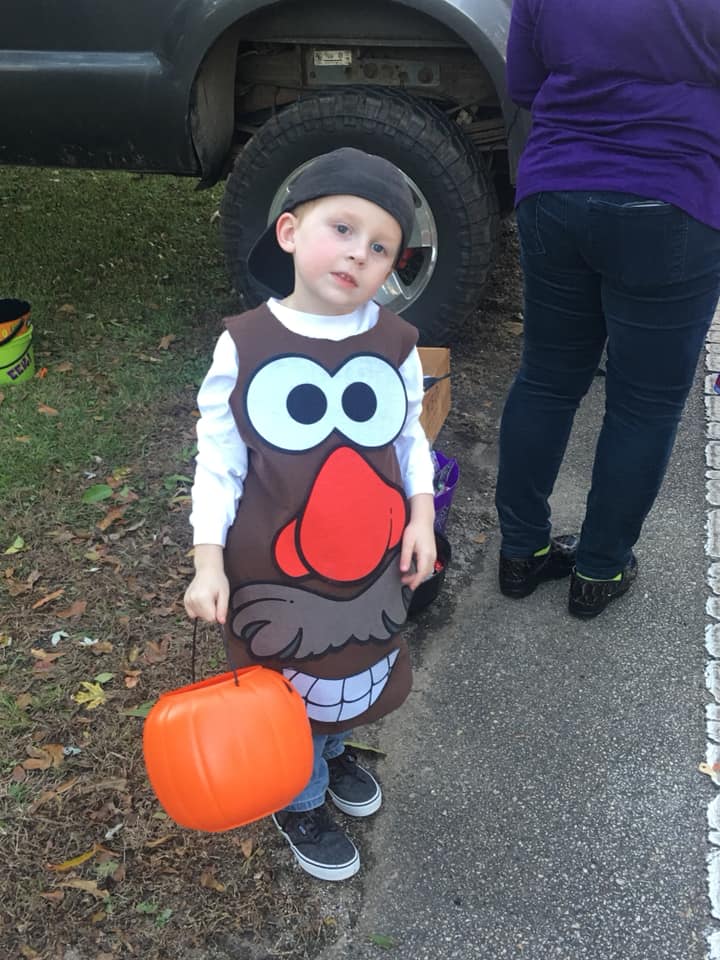
The most successful sensory-friendly costumes are often the ones that are handcrafted with love and adaptability in mind. DIY projects allow parents and children to collaborate on designs that reflect the child’s unique interests while accommodating their sensory needs. For example, a “Mr. Potato Head” costume can be constructed from a soft, lightweight hoodie and detachable foam pieces, allowing the child to add or remove elements as needed. A “Where’s Waldo” costume can be made from a red and white striped shirt and pants, with a soft, adjustable hat instead of a rigid mask. The beauty of DIY costumes lies in their flexibility—they can be modified, simplified, or expanded upon year after year, growing alongside the child’s evolving preferences. Plus, the process of creating the costume together can become a cherished bonding experience, turning preparation into part of the holiday’s magic.
Sizing and Fit: The Goldilocks Principle of Costumes
Ill-fitting costumes are a recipe for disaster, especially for children who are hyper-aware of their bodies. A costume that’s too tight can feel like a straitjacket, while one that’s too loose might drag on the ground or obscure vision. The solution? The Goldilocks principle: aim for a fit that’s just right. Use adjustable straps, Velcro, or elasticized waistbands to ensure the costume can be tailored to the child’s body. For children who are sensitive to tight clothing, consider costumes with open backs or side panels that allow for easy on-and-off transitions. If the costume includes shoes or boots, prioritize options with soft soles and roomy toe boxes to prevent discomfort. Remember, the goal is to create a costume that feels like a second skin—not a second thought.
Sensory-Friendly Accessories: The Devil’s in the Details
Accessories are the icing on the Halloween cake, but they can also be the spice that ruins the recipe. Jingly bells, scratchy tassels, and stiff belts can turn a simple costume into a sensory nightmare. Instead, opt for accessories that are soft, silent, and subtle. For example, a cape made from a lightweight, flowing fabric can add drama without adding discomfort. Gloves with textured palms can provide gentle sensory input, while a soft, plush tail can offer comforting tactile feedback. If the costume includes shoes, choose options with minimal seams and cushioned insoles. The key is to select accessories that enhance the costume’s aesthetic without overwhelming the child’s senses. After all, the best accessories are the ones you don’t even notice—until you do, and they bring a smile to the child’s face.
Practice Makes Perfect: Desensitizing the Costume Experience
For some children, the idea of wearing a costume is more daunting than the actual experience. To ease the transition, incorporate the costume into daily life in the weeks leading up to Halloween. Start with short periods of wear—just a few minutes at a time—and gradually increase the duration as the child becomes more comfortable. Pair the costume with familiar, comforting activities, such as reading a favorite book or playing a beloved game, to create positive associations. If the child is resistant to wearing the costume, consider alternatives like a “costume parade” where they can show off their outfit to family members in a low-pressure setting. The goal is to demystify the costume, turning it from an unknown entity into a familiar, even cherished, part of the holiday.
Halloween Night: Navigating the Trick-or-Treat Terrain
Even the most carefully crafted costume can feel overwhelming once the child steps into the chaos of Halloween night. To mitigate sensory overload, plan the route in advance, choosing quieter neighborhoods or cul-de-sacs where the crowds are thinner. Bring along comfort items like noise-canceling headphones, a favorite stuffed animal, or a weighted blanket to provide grounding support. If the child is nonverbal or struggles with communication, consider creating a simple “Halloween card” to hand out to neighbors, explaining their costume and any sensory needs they may have. This not only educates others but also empowers the child to participate in the festivities on their own terms. And don’t forget to take breaks—whether it’s a quiet moment in the car or a cozy spot on the porch, rest is essential for recharging both body and spirit.
Halloween doesn’t have to be a battleground of sensory triggers and social anxieties. With a little creativity, patience, and a lot of love, it can become a night of joy, inclusion, and unforgettable memories. By prioritizing comfort, flexibility, and collaboration, parents and caregivers can transform costumes from sources of distress into symbols of celebration. After all, the true spirit of Halloween isn’t found in the perfection of the outfit, but in the magic of being seen, accepted, and celebrated—exactly as you are.












