Sensory processing differences in autism represent a complex and multifaceted dimension of neurodiversity that profoundly influences the lived experience of individuals on the spectrum. These differences encompass the ways in which sensory information is received, interpreted, and responded to by the brain, resulting in varied sensory perceptions and coping mechanisms. This exploration ventures beyond the surface, weaving together the intricate nuances of sensory processing disparities, their manifestations, and the adaptive strategies that foster understanding and support.
The Enigmatic Nature of Sensory Processing Differences
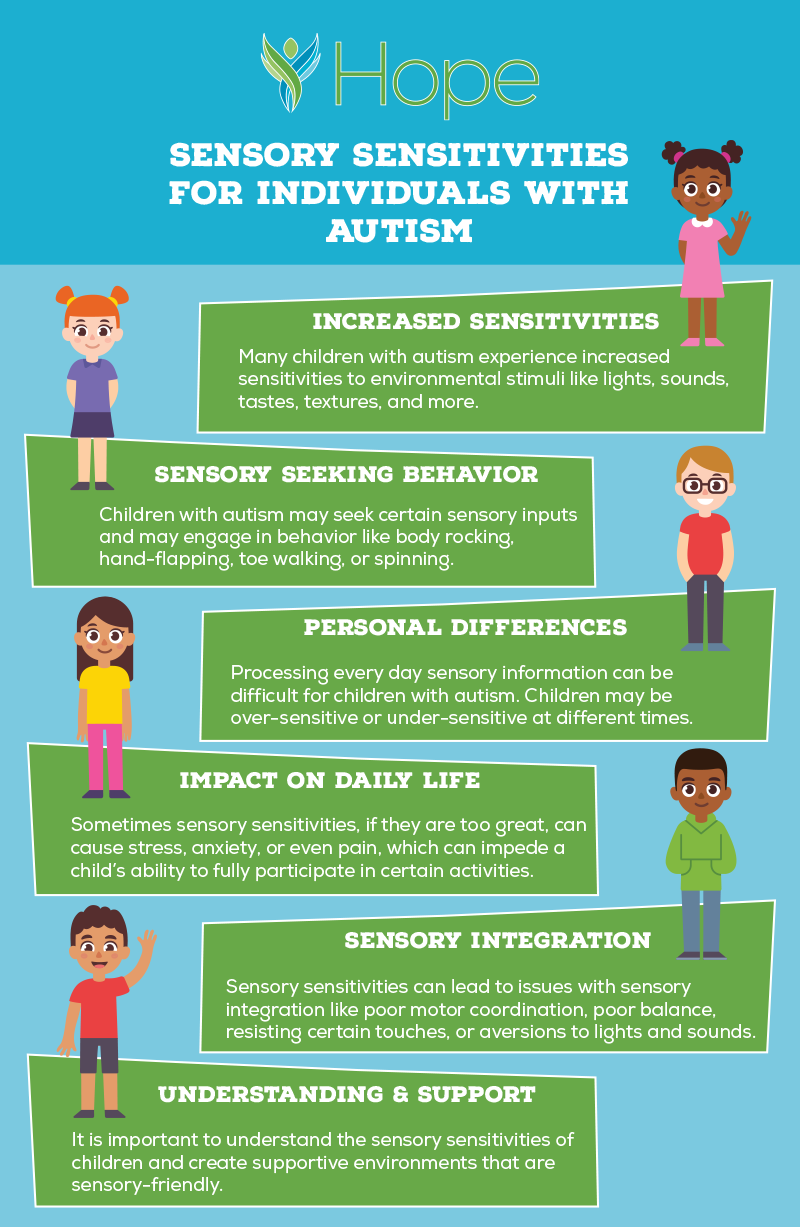
At the heart of sensory processing differences lies the discordance between sensory input and neural interpretation. Unlike typical sensory integration, where stimuli are filtered and modulated to facilitate coherent perception, individuals with autism often experience either hyper-responsiveness or hypo-responsiveness to sensory cues. These divergent responses reflect the broader neurobiological substrates at play and contribute to behaviors ranging from withdrawal to sensory seeking.
The sensory modes affected can span across the traditional five senses—vision, hearing, touch, taste, and smell—as well as vestibular (balance) and proprioceptive (body awareness) systems. For instance, a cacophony of urban sounds might overwhelm, while a gentle touch can trigger anxiety or discomfort. Simultaneously, some individuals might seek intense sensory input such as spinning or deep pressure to attain sensory regulation.

Manifestations Across the Sensory Spectrum
The heterogeneity of sensory processing differences paints a vibrant but sometimes bewildering picture of sensory experiences. Hypersensitivity can render mundane environments overwhelming; fluorescent lighting may induce headaches, certain fabrics might be intolerable, and even background noise can disrupt concentration. Conversely, hyposensitivity might manifest as an apparent indifference to pain or an insatiable craving for movement and tactile stimulation.
These sensory profiles vary dramatically not only between individuals but also within the same person over time. Emotional states, environmental contexts, and developmental stages influence how sensory input is processed. This dynamic quality underscores the importance of personalized approaches in education, therapy, and daily living.
Neurological Underpinnings and Theoretical Frameworks
Scientific inquiry into the neurological substrates of sensory differences has illuminated disruptions in neural connectivity and atypical activation patterns within sensory processing centers. Theories such as the “Intense World Theory” propose that autistic brains perceive sensory input with heightened intensity and detail, contributing to sensory overload. Alternatively, the “Weak Central Coherence” theory suggests challenges in synthesizing sensory details into global constructs, which may fragment perception.
These frameworks provide a scaffold for understanding the neurological complexity but also highlight an ongoing quest to delineate how these mechanisms translate into behavioral presentations. Advances in neuroimaging and sensory profiling continue to refine this understanding, challenging clinicians and researchers alike to embrace the sensory landscape’s intricacy.

Implications for Daily Living and Interpersonal Relationships
Sensory processing differences ripple through daily routines and social interactions. For many, navigating sensory overload in environments like classrooms, workplaces, or social gatherings necessitates intricate coping strategies. These may range from the use of noise-canceling headphones to establishing quiet zones or tailoring sensory diets that balance stimulation and calm.
Social communication can also be affected by sensory sensitivities, influencing eye contact, physical touch, and responsiveness to social cues. Understanding these sensory-driven behaviors as adaptive rather than oppositional facilitates empathy and enhances relationship-building. It is within this framework that individualized support and accommodations thrive, fostering inclusion and autonomy.
Strategies and Interventions: Cultivating Sensory Harmony
Intervention paradigms seek not only to ameliorate sensory distress but to empower self-regulation and sensory integration. Occupational therapy often employs sensory integration techniques tailored to each individual’s unique sensory profile. These interventions may include proprioceptive input through weighted blankets, vestibular activities like swinging, or controlled exposure to sensory stimuli to build tolerance.
Emerging approaches also emphasize environmental adaptations—modifying lighting, reducing auditory stimuli, and creating predictable routines to reduce sensory unpredictability. Families and caregivers play an instrumental role in recognizing sensory triggers and advocating for sensory-friendly spaces. The collaborative ethos binding therapeutic practices and everyday life remains pivotal to enhancing quality of life.

Expanding Awareness and Promoting Acceptance
Understanding the kaleidoscope of sensory processing differences enriches our appreciation of neurodiversity. Moving beyond a deficit-focused lens toward one that honors sensory individuality fosters a more inclusive society. This shift cultivates environments where sensory preferences are respected, and autistic individuals are supported in their sensory needs without coercion or stigmatization.
Educational initiatives, workplace accommodations, and public awareness campaigns contribute to this paradigm, championing sensory accessibility as a fundamental aspect of universal design. Through advocacy and informed dialogue, we can bridge gaps between sensory perception and societal expectations.
In sum, sensory processing differences in autism represent an intricate interplay of neurological, behavioral, and environmental factors. By embracing this complexity with nuanced understanding and tailored supports, it is possible to unlock potentials often obscured by sensory challenges and highlight the rich sensory diversity that shapes human experience.